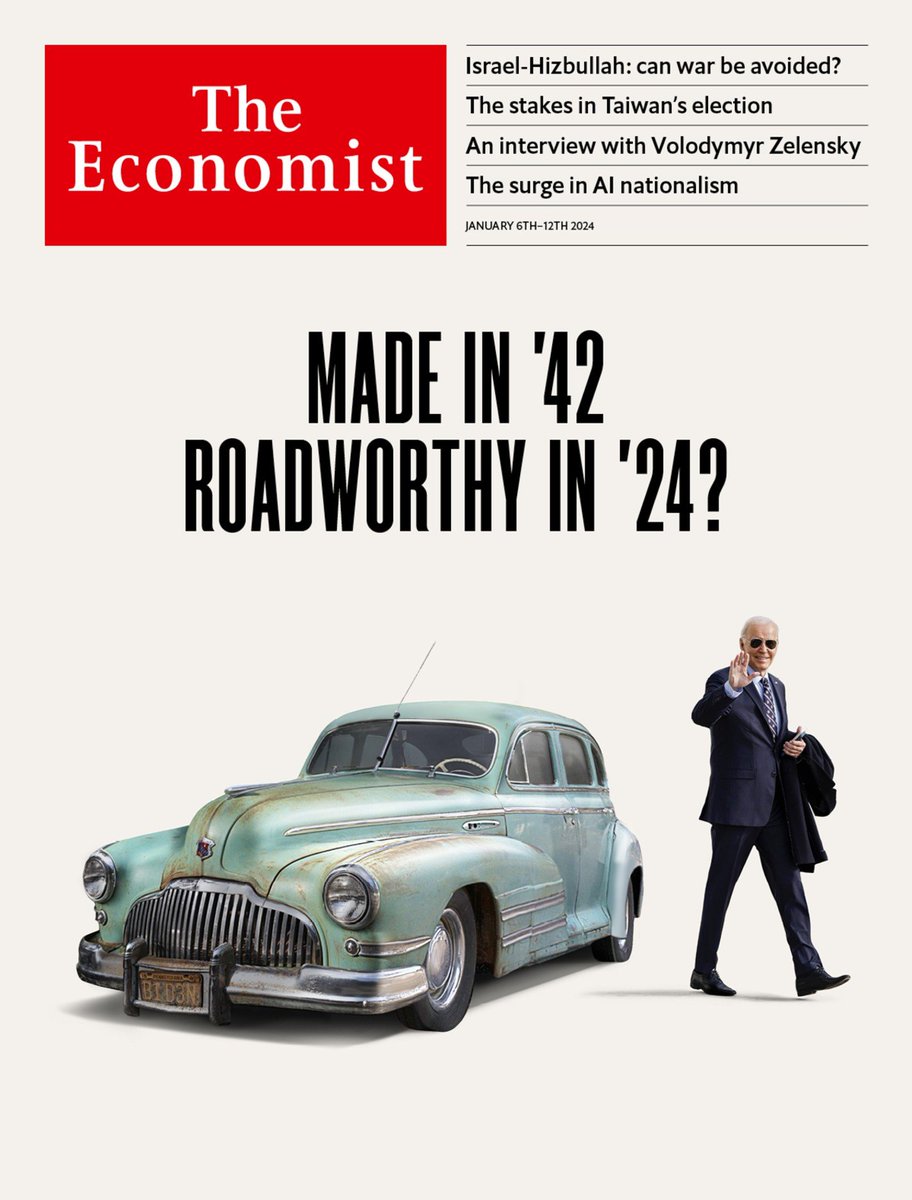
The Economist Magazine (January 4, 2024): The latest issue features‘The man supposed to stop Donald Trump is an unpopular 81-year-old; Israel-Hizbullah – Can war be avoided?; The stakes in Taiwan’s election; An interview with Volodymyr Zelensky; The surge in AI nationalism…
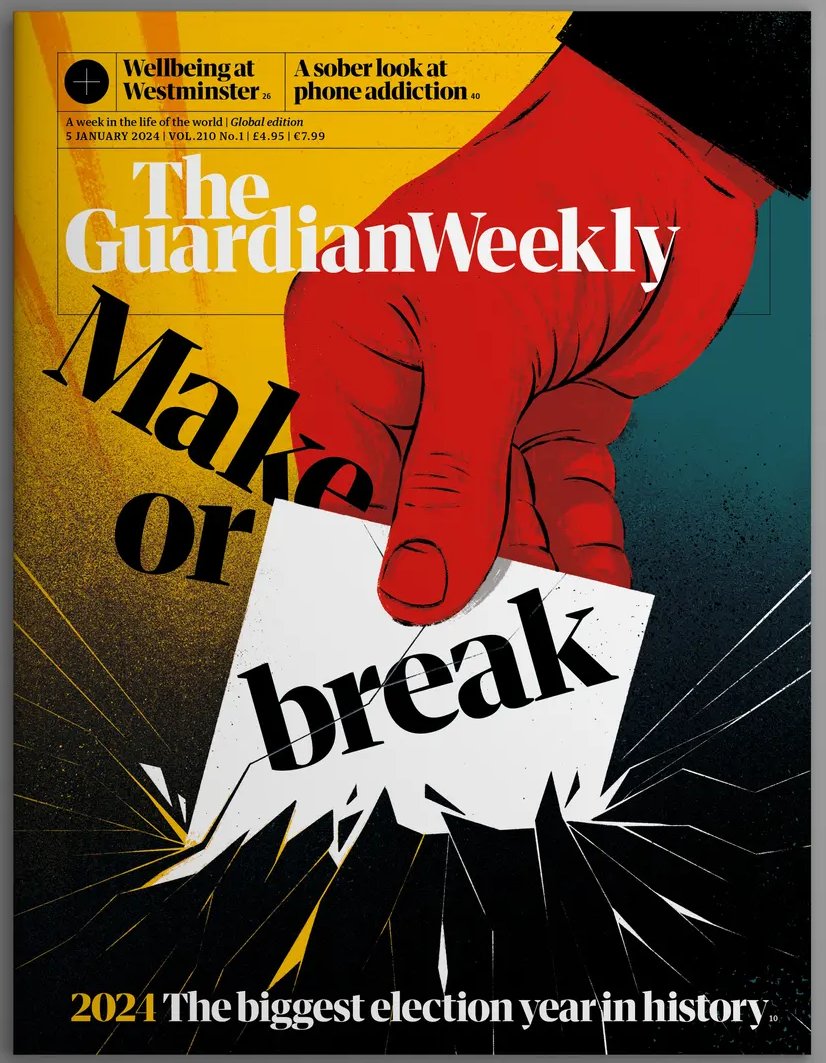
About 2 billion people have the opportunity to cast their ballots in polls that span the globe from the United States to Taiwan, and India to Mexico in 2024. The outcomes, as our analysts and correspondents explain in our big story, have implications for us all.
Washington bureau chief David Smith looks at the likely rerun of 2020’s Biden v Trump contest in November and explores what has changed and what has not in the US as the old adversaries square up. It is an almost foregone conclusion that Narendra Modi will be back for a third term as Indian prime minster, reports Hannah Ellis-Petersen from Delhi where analysts fear his victory will further imperil the country’s Muslim minority. And while Vladimir Putin will certainly continue as president in Russia, Pjotr Sauer explains why the man about to become fifth-time president might allow other candidates onto the ballot list. From Taiwan’s poll on 13 January to the 27-state European elections in June, how citizens vote will influence the geopolitical landscape for us all, while the conduct of campaigns will reveal how vulnerable democracies now are to misinformation and cyber interference from malign actors.
The Globalist Podcast (January 4, 2024) – The latest on Iran following the cancellation of president Ebrahim Raisi’s trip to Turkey and discuss the US decision to reopen border crossings with Mexico.
Plus: the release of the explosive Epstein papers and business news with economist Vicky Pryce.
In December 2022, after more than a decade of effort and frustration, scientists at the US National Ignition Facility (NIF) announced that they had set a world record by producing a fusion reaction that released more energy than it consumed — a phenomenon known as ignition. They have now proved that the feat was no accident by replicating it again and again, and the administration of US President Joe Biden is looking to build on this success by establishing a trio of US research centres to help advance the science.
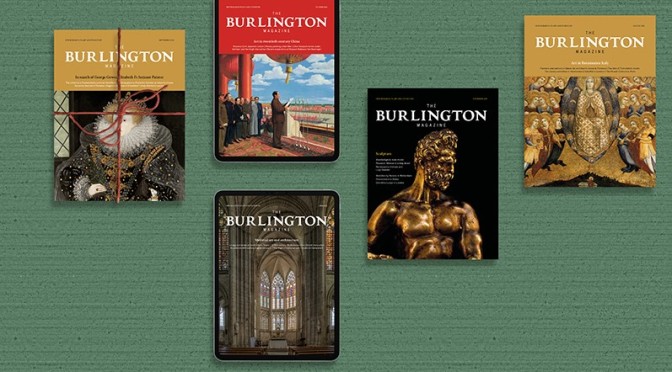
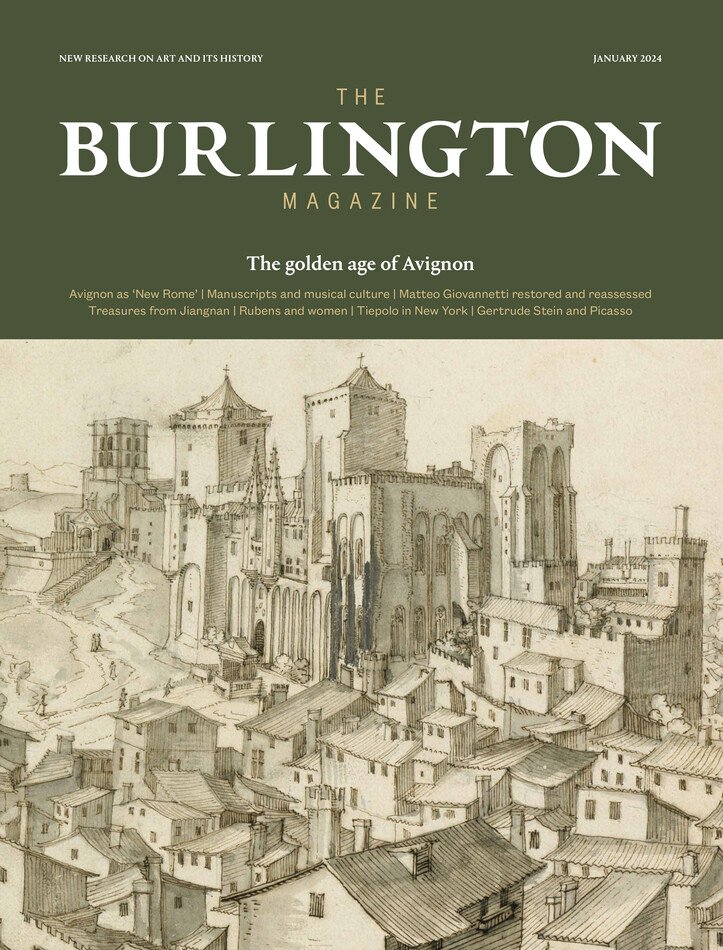
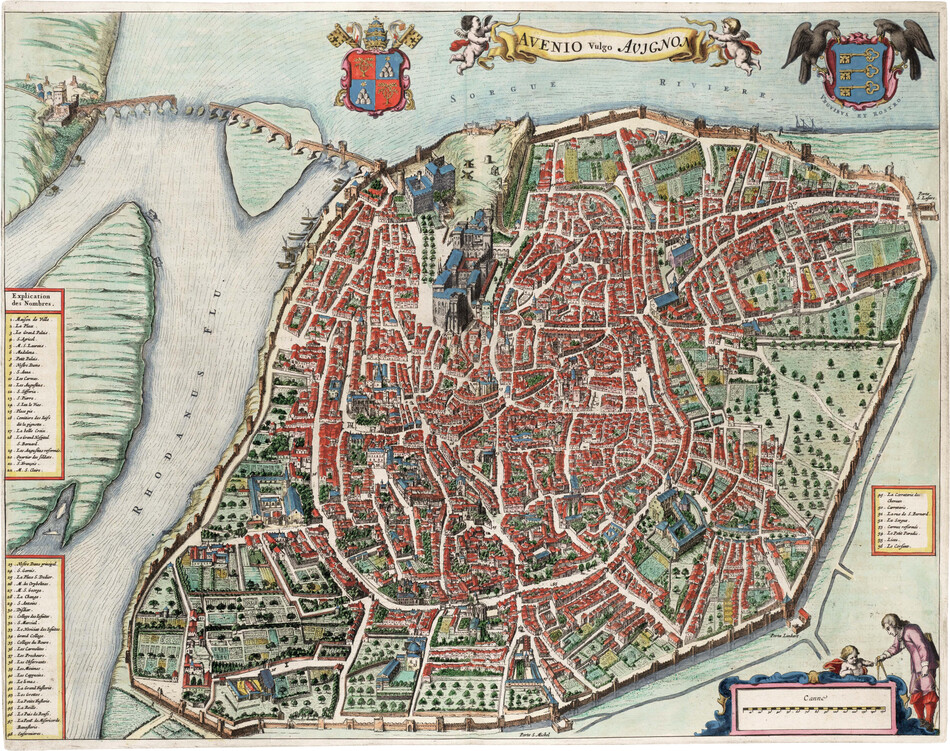
The Burlington Magazine – January 3, 2024:The new issue features ‘The Golden Age of Avignon’ – Avignon as ‘New Rome’; Rubens and women; Tiepolo in New York; Gertrude Stein and Picasso, and more….
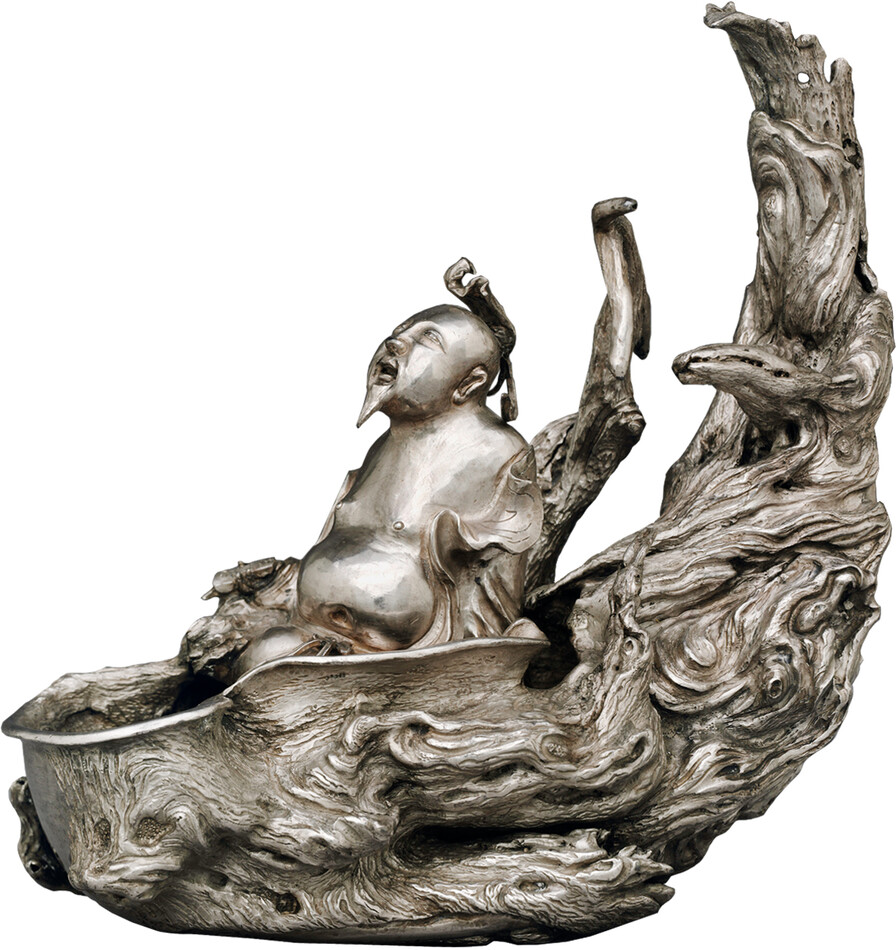
A vivid photograph of a lotus pond ushers visitors into this ambitious exhibition on the arts and culture of Jiangnan. Lying to the south of the Yangtze – its name literally means ‘south of the river’ – this part of China includes such major cities as Shanghai, Hangzhou and Suzhou. Curated by Clarissa von Spee, Chair of Asian Art and the James and Donna Reid Curator of Chinese Art at the Cleveland Museum of Art (CMA), this is the first exhibition outside China to present an encyclopaedic view of the cultural history of this historically affluent region.
Ever since the Walpole Society was founded in London in 1911 ‘with the object of promoting the study of the history of British art’, The Burlington Magazine has taken a close interest in an organisation with aims and principles so close to our own: this is the sixth Editorial we have devoted to the subject. The first, written by the art historian August F. Jaccaci, who edited the Magazine’s ‘Art in America’ section, appeared in 1913 on the occasion of the publication of the first of the annual volumes that are the society’s raison d’être.
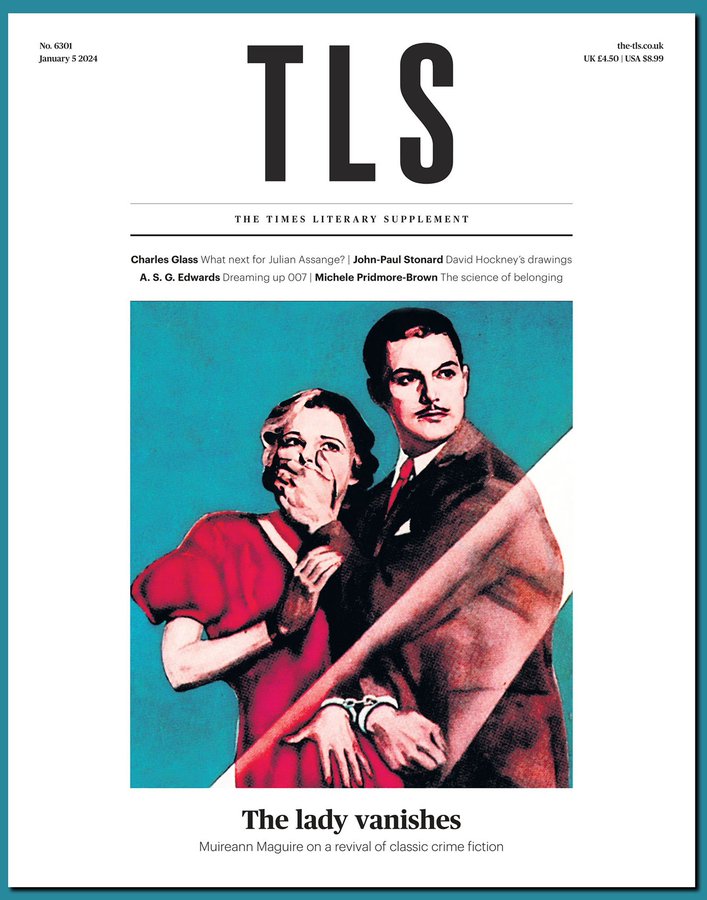
Times Literary Supplement (January 3, 2024): The latest issue features ‘The Lady Vanishes’ – Muireann Maguire on a revival of classic crime fiction; What next for Julian Assange; David Hockney’s drawings; Dreaming up 007; The science of belonging and more…
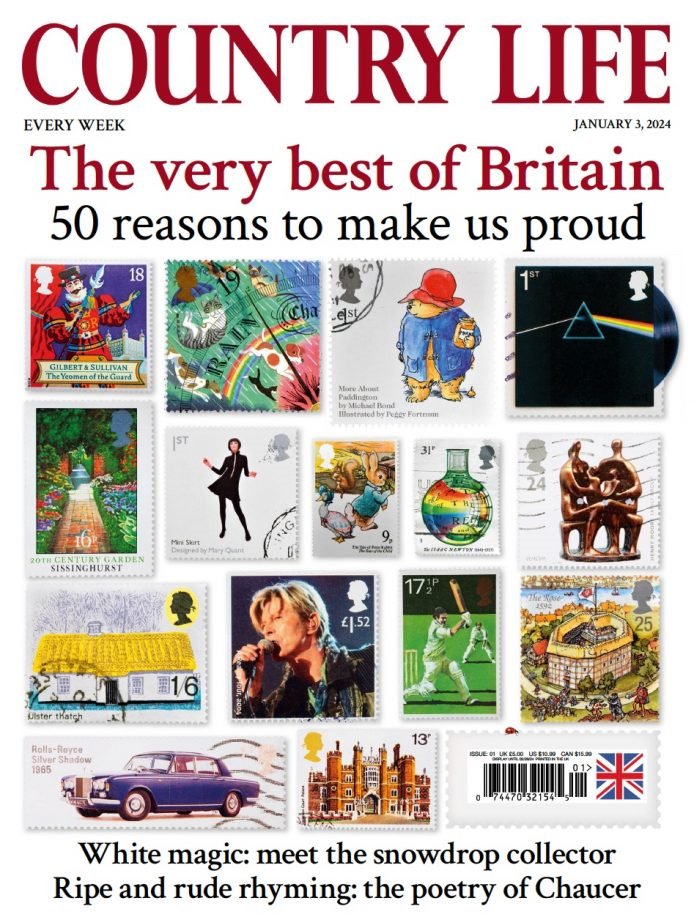
Country Life Magazine – January 2, 2024: The latest issue features ‘The Very Best Of Britain’; Marylands, a Surrey country house with a Spanish influence; artist Anne Wright’s miniature Daffodils and snowdrops at her small nursery in North Yorkshire; and how January weather can set the tone for the year to come…
The foul-mouthed Miller and the prim Princess
Geoffrey Chaucer created his Canterbury pilgrims more than 600 years ago, yet his band of travellers speaks across the ages, finds Matthew Dennison
Let’s hear it for Britain
Carla Passino bangs the drum for the British Isles with 50 things to make the nation proud, from code-cracking to clever dogs — and everything in between
Snow magic
Mary Keen is mesmerised by the array of rare and highly collectable snowdrops that artist Anne Wright is breeding at her small nursery in North Yorkshire
Keith Halstead’s favourite painting
The chief executive of the Royal Countryside Fund chooses a work that sparks memories of his childhood in rural Norfolk
Thought for the year 2024
Carla Carlisle enters the new year with a determination to remain positive, fortified by the sentiments of W. H. Auden
A fairy house
The glamour and glitz of 1920s stage and screen is rekindled as Clive Aslet puts the spotlight on Marylands, a Surrey country house with a Spanish influence
Baby, it’s cold outside
In the first of a new series on weather lore, Lia Leendertz reveals how January can set the tone for the year to come
Interiors
The bathroom of a Somerset house is restored with a nod to its historic roots, finds Arabella Youens, and Amelia Thorpe shares ideas for creating your own luxury bathing sanctuary
London Life
Start the year with an exhibition, says Charlotte Mullins, while Carla Passino assesses architect Richard Rogers’s contribution to the London skyline and Gilly Hopper looks ahead to the year’s big events in the capital
Kitchen garden cook
Melanie Johnson on sweet and nutty Jerusalem artichokes
Travel
Mary Lussiana stays at a land-mark luxury hotel in Marrakech while Luke Abrahams explores Athens in the snow and James Fisher dons his skis and discovers the Dolomites
New series: Arts & Antiques
Carla Passino investigates the centuries-long British passion for collecting antiquities and finds that all roads lead to Rome
The Economist (January 2, 2024) - As 2024 begins President Volodymyr Zelensky speaks to The Economist’s Editor-in-chief, Zanny Minton Beddoes, about his political and military goals for the coming year and why he won’t compromise with Vladimir Putin.
Video timeline: 00:00 – 2024 military goals 01:35 – Why he won’t negotiate
Volodymyr Zelensky is angry; not about the successes of his enemies (he sees none) nor even about his own army’s lack of progress on the battlefield. Instead, Ukraine’s president is exasperated by the wobbles of some of his allies as well as the detachment among some of his compatriots. And he wants you to know it.
Hardened by the pressures of war, a year of negative headlines and the failure of a counter-offensive that promised so much at the start of 2023, he has shed the lightness and humour that characterised our earlier meetings with him. Seated in his situation room and speaking to The Economist via Zoom (you can watch the video here), he punches out his message as if trying to break through the computer screen.









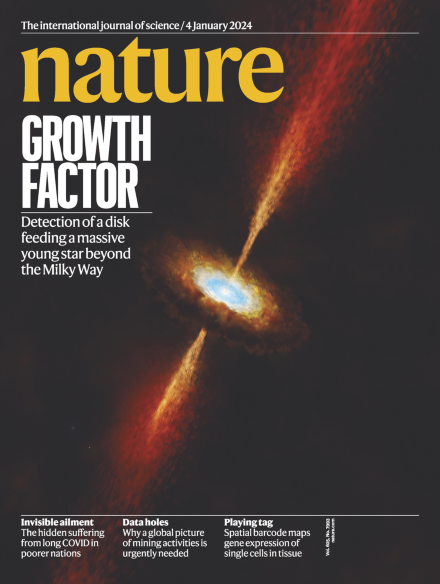
 Nature Magazine – January 3, 2024: The latest issue cover features an artist’s impression of a massive young star in the process of forming.











 Boomers Daily