



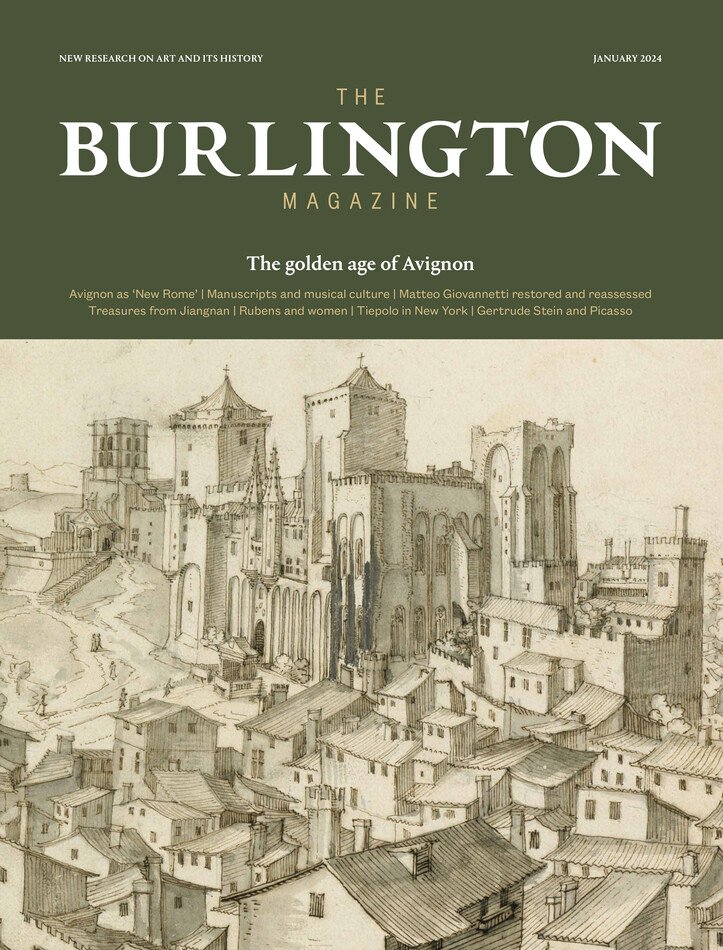
The Burlington Magazine: The latest issue features….
Main Articles and Research
“The Consolidation of Collections: New Light on the 18th-Century British Art Market” An in-depth study by the editorial team and guest contributors exploring how major British estates restructured their private galleries during the mid-1700s. The article utilizes newly discovered ledger books to trace the provenance of several key Italian Baroque works.
“Paolo Veneziano and the International Gothic in Venice” Following the research trends seen in the early part of the year, this feature provides a technical analysis of recently restored altarpieces attributed to Veneziano, focusing on the use of ultramarine and gold leaf techniques that defined the Venetian style in the 14th century.
“Nicholas Lanier and the ‘Star’ Drawings: New Discoveries” Building on recent scholarship (featured in related symposiums), this article identifies several previously unrecognized drawings from the collection of Nicholas Lanier (1588–1666). It specifically examines the “star-shaped marks” used by Lanier and his uncle Jerome to catalog their sixteenth-century Italian acquisitions.
Editorial and Shorter Notices
Editorial: “The Future of Art History in the Digital Age” Editor Christopher Baker discusses the balance between traditional archival research and the integration of AI and digital imaging in art historical authentication.
Object in Focus: “George Frederic Watts’s Satan (1847)” A specialized notice providing a new interpretation of Watts’s massive canvas. The author argues that the figure’s pose was inspired by the Monte Cavallo Horse Tamers in Rome rather than the Apollo Belvedere, as previously thought.
Exhibition and Book Reviews
The Farnese Gallery Drawings (Musée du Louvre, Paris): A critical review by Ketty Gottardo on the exhibition focusing on the Carracci brothers’ preparatory works.
Studio Prints: A History, 1968–2011: A review of the new publication by Paul Holberton Publishing, detailing the impact of the London workshop on 20th-century printmaking.
Modernizing the Catalog: A review of the Patek Philippe exhibition and the intersection of fine horology with decorative arts history.
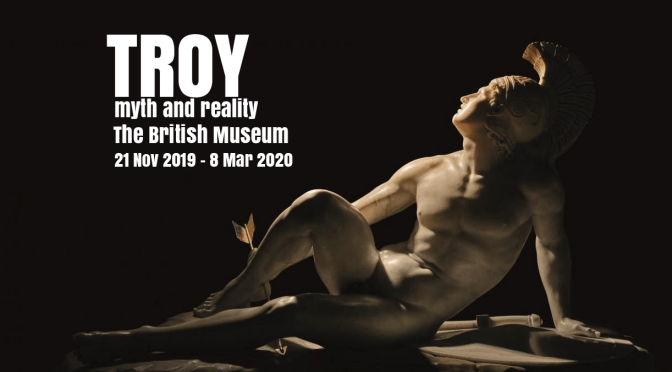
 From Helen of Troy’s abduction to the deception of the Trojan Horse and the fall of the city, tread the line between myth and reality in this phenomenal new exhibition.
 The story of the ancient city of Troy, and of the great war that was fought over it, has been told for some 3,000 years. Spread by travelling storytellers, it was cast into powerful words by the Greek poet Homer as early as the eighth to seventh century BC – and into powerful images by ancient Greek and Roman artists. Just as it enraptured audiences in the past, it still speaks to us today and it’s easy to see why. It’s a story that has it all – love and loss, courage and passion, violence and vengeance, triumph and tragedy – on a truly epic scale.
 Boomers Daily