

From a Classic Driver online article:
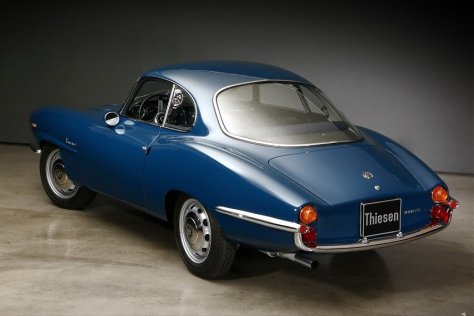
 The result is a testimony to the true meaning of haute couture – this car doesn’t need to impress or be flashy. It’s first and foremost superb craftsmanship, which has been married to extreme refinement. Next time you venture into Paris and notice a dark blue Eden Roc being driven by a young and elegant tattooed man, don’t hesitate to look closer and try to spot Leroy’s intricate tailor-made feathery details.
 Maxime Leroy is anything but your typical classic car collector. He is a visionary creator with a strong personality whose adult life has been devoted to showcasing feathers. He discovered the art of plumasserie at school thanks to two of his professors. At that time, the school was the last school in France dedicated to teaching this dying art. And thanks to Leroy, who now spends two days a week there teaching, it still is.
To read more: https://www.classicdriver.com/en/article/cars/custom-autobianchi-eden-roc-a-featherweight-masterpiece
 One of the most successful artists of the Italian Renaissance, Titian was the master of the sixteenth-century Venetian school and admired by his royal patrons and fellow artists alike. Several of his contemporaries, including the authors and art theorists Giorgio Vasari, Francesco Priscianese, Pietro Aretino, and Ludovico Dolce, wrote accounts of Titian’s life and work.
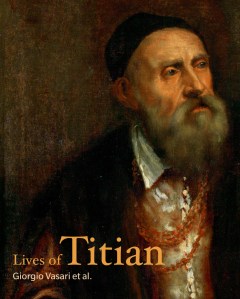 In this episode, Getty assistant curator of paintings Laura Llewellyn discusses what these “lives” teach us about Titian and the artistic debates and rivalries of his time. All of these biographies are gathered together in Lives of Titian, recently published by the Getty as part of our Lives of the Artists series.

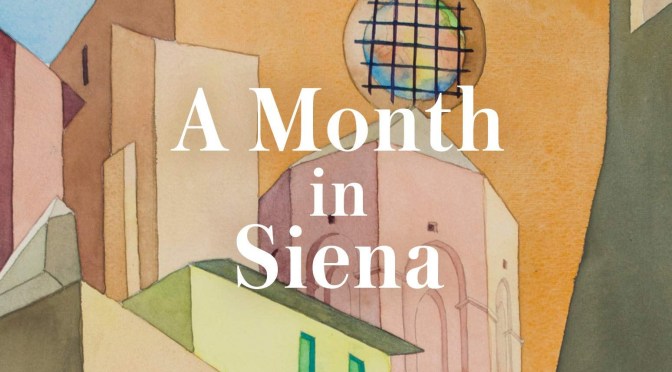
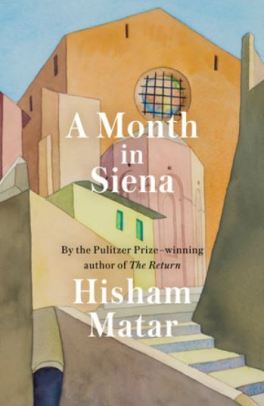 Including beautiful full-color reproductions of the artworks, A Month in Siena is about what occurred between Matar, those paintings, and the city. That month would be an extraordinary period in the writer’s life: an exploration of how art can console and disturb in equal measure, as well as an intimate encounter with a city and its inhabitants. This is a gorgeous meditation on how centuries-old art can illuminate our own inner landscape—current relationships, long-lasting love, grief, intimacy, and solitude—and shed further light on the present world around us.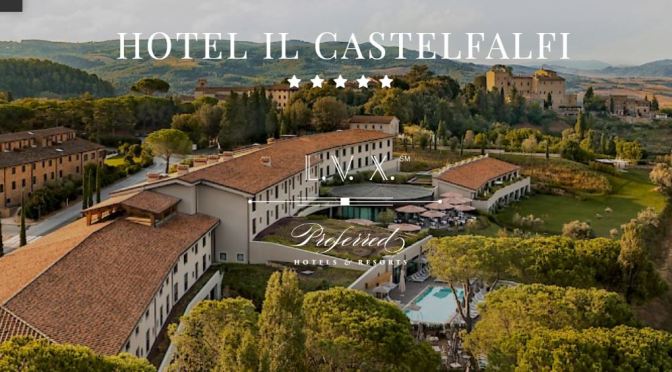
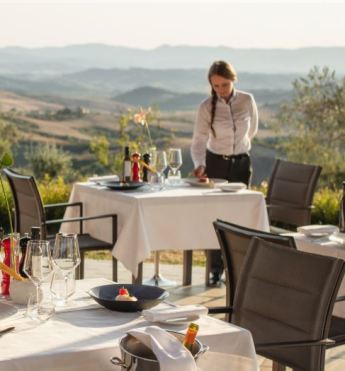 Once owned by the Medici family, this 2,700-acre, 800-year-old medieval village in Montaione fell away from the public eye—that is, until lifestyle hotel brand TUI Blue saw its potential. With the help of the surrounding village’s government, the town has been resurrected into a sprawling five-star resort. Il Castelfalfi, the region’s first new-build hotel in years, offers suites with both sunrise and sunset patio views. Across the street, a disused tobacco factory is now an adjacent boutique hotel, ruinous farmhouses have become holiday homes, and acres of surrounding lands now make up Tuscany’s largest golf course.
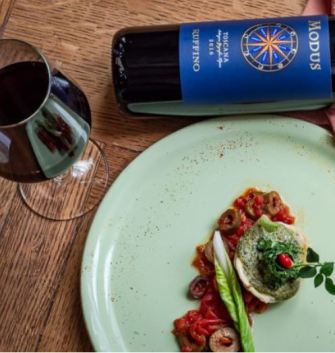 Legend has it that Le Tre Rane was the name of an inn that a young Leonardo da Vinci opened on Florence’s Ponte Vecchio, with a vision of a pioneering cooking style that would embody fine dining and healthy eating, while heightening the taste of being together.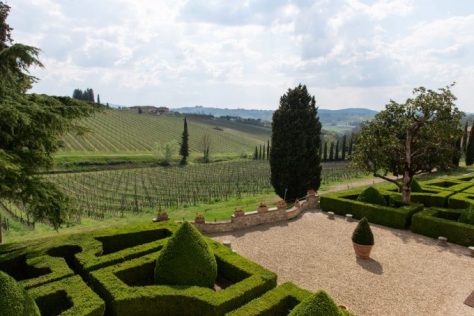
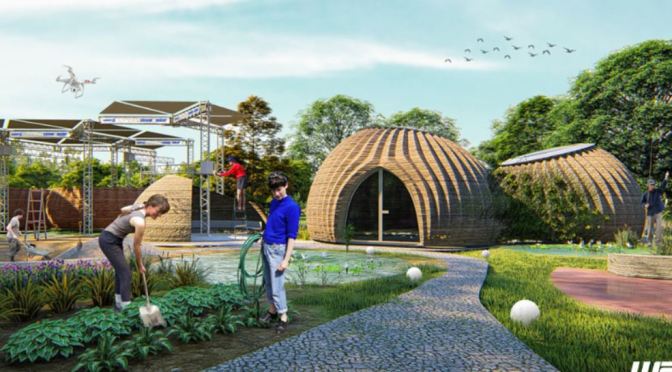
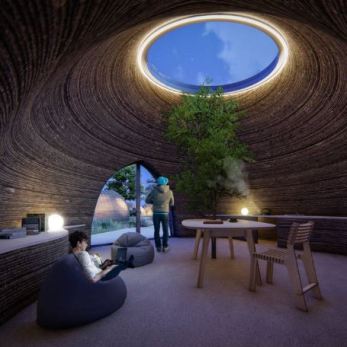 Designed by MC A and engineered and built by WASP, TECLA will be the first house to be entirely 3D printed using locally sourced clay – a biodegradable and recyclable ‘km 0 natural’ material which will effectively make the building zero-waste. It will be built to adapt to multiple environments, and it will be suitable for self-production through the use of WASP’s innovative Maker Economy Starter Kit. This approach will limit industrial waste and offer a unique sustainable model that will boost the national and local economy, improving the wellbeing of communities. Furthermore, the scheme will significantly accelerate the construction process as the 3D printer will produce the entire structure at once.
  Boomers Daily