

From a Becker’s Hospital Review online release:
 “Today, most of the seniors we serve are utilizing easy-to-use mobile phone products and connected devices that are tailored for seniors and come with a range of relevant services,” Best Buy CEO Corie Barry said during an earnings call Nov. 26, according to a transcript from Seeking Alpha.
“We also expect to advance our commercial business where the services we provide for seniors are paid for by insurance providers. This includes services such as remote monitoring based solutions that provide meaningful insights to improve timely care and reduce the cost to serve frail seniors,” she said.
Best Buy is known as the largest specialty electronics retailer in the U.S., and a key part of its growth strategy is centered on digital health initiatives.
In the past year, Best Buy has spent roughly $1 billion on acquisitions to expand its healthcare services, according to Forbes. The company’s expansion into healthcare has helped it overcome broader declines in consumer electronic sales, according to Bloomberg.
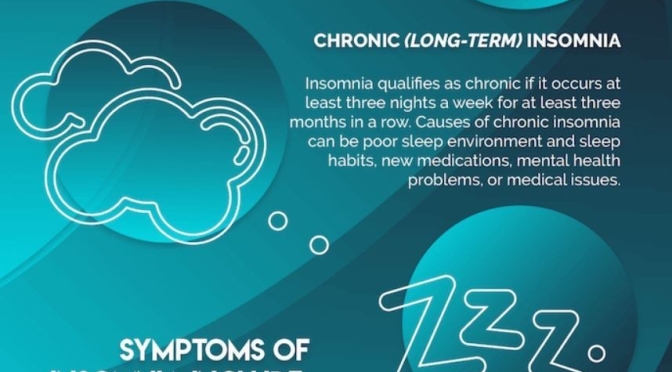
 Beyond the constant tossing and turning of a sleepless night, it might surprise you to know that insomnia is affecting a fair hunk of the Australian population. A recent study released by the Sleep Health Foundation found that 15 per cent of us suffer from chronic insomnia disorder, and very few people are choosing to access help.
 The
The 
 Infections with the Enterococcus bacterium are a major threat in healthcare settings. They can lead to inflammation of the colon and serious illnesses such as bacteremia and sepsis, as well as other complications.
 Their previous research has shown that when harmless strains of microbes are wiped out, often due to treatment with antibiotics, Enterococcus and other harmful types of bacteria can take over due to lack of competition. As part of the new study, which included analysis of microbiota samples from more than 1,300 adults having BMTs, the team confirmed the link between Enterococcus and GVHD.
 The riders who had pedaled on an empty stomach, however, had incinerated about twice as much fat during each ride as the men who consumed the shake first. The riders all had burned about the same number of calories while pedaling, but more of those calories came from fat when the men did not eat first.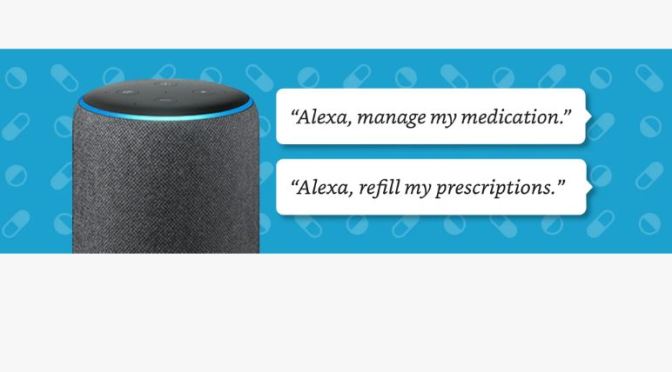
 Any customer with an active prescription and an Alexa-enabled device will be able to access the medication management skill on the device, a Giant Eagle spokesperson told CNBC. Rachel Jiang, who leads the Amazon Alexa health and wellness team, said the company began developing the skill after noticing that customers were using the devices to create medication reminders.
 “What you want is more, small fat cells rather than fewer, large fat cells,” Jackson said. “A large fat cell is not a healthy fat cell. The center is farther away from an oxygen supply, it sends out bad signals and it can burst and release toxic contents.” Large fat cells are associated with insulin resistance, diabetes and inflammation, he added.
 The purpose of the centers is to increase customers’ understanding of Medicare, match them with people who can talk with them about their benefits or new plans to enroll in, and access in-store annual wellness visits.

 Boomers Daily