
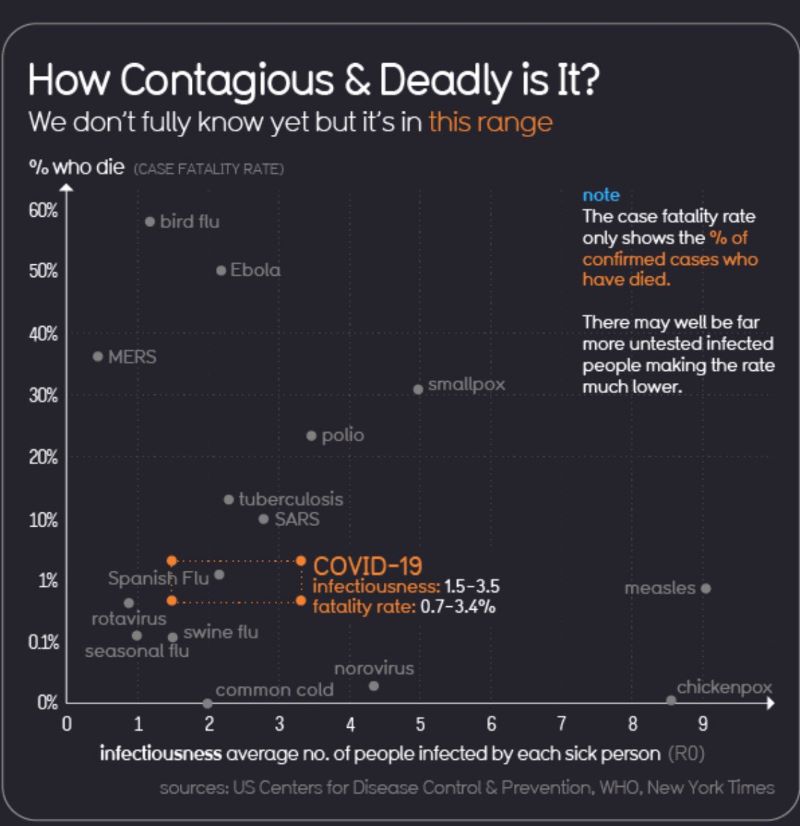



But on its own, “BMI [body mass index] remains a strong independent risk factor” for severe COVID-19, according to several studies that adjusted for age, sex, social class, diabetes, and heart conditions, says Naveed Sattar, an expert in cardiometabolic disease at the University of Glasgow. “And it seems to be a linear line, straight up.”
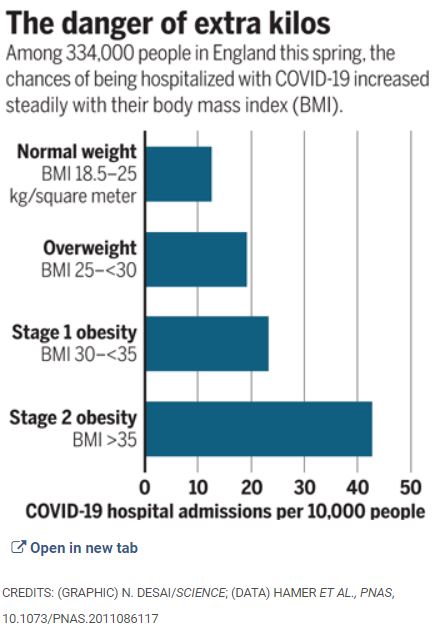
The impact extends to the 32% of people in the United States who are overweight. The largest descriptive study yet of hospitalized U.S. COVID-19 patients, posted as a preprint last month by Genentech researchers, found that 77% of nearly 17,000 patients hospitalized with COVID-19 were overweight (29%) or obese (48%). (The Centers for Disease Control and Prevention defines overweight as having a BMI of 25 to 29.9 kilograms per square meter, and obesity as a BMI of 30 or greater.)
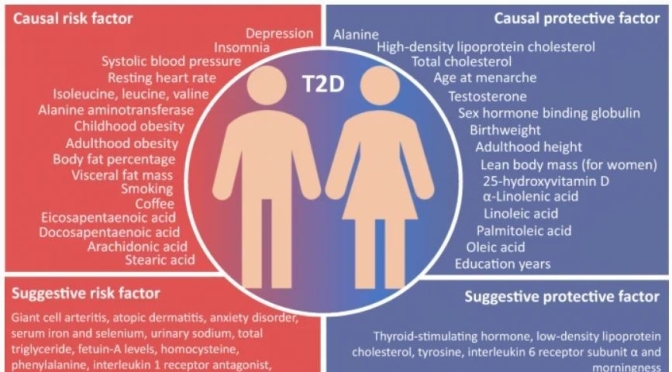
Diabetologia (Sept 8, 2020) – Insomnia with objective short sleep duration has been associated with an increased risk of type 2 diabetes in observational studies [27, 28]. The present MR study found strong and suggestive evidence of a causal association of insomnia and short sleep duration, respectively, with increased risk of type 2 diabetes.

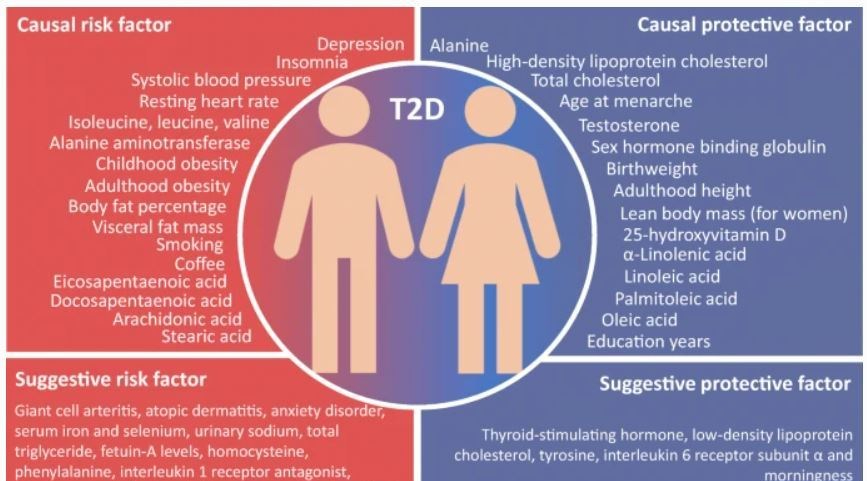
The present study verified several previously reported risk factors and identified novel potential risk factors for type 2 diabetes. Prevention strategies for type 2 diabetes should be considered from multiple perspectives on obesity, mental health, sleep quality, education level, birthweight and smoking.
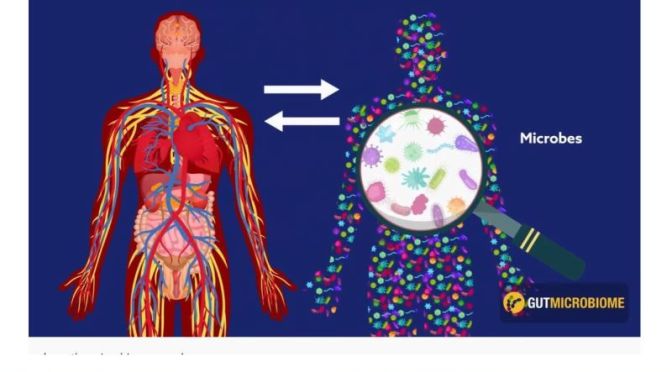
Do you have good or bad microbiome? Or do you have the microbiome you deserve?
Gut Microbiome, the new Open Access journal from Cambridge University Press and The Nutrition Society has published its first papers, including the animated abstract above from the paper: Hill, C. (2020) “You have the microbiome you deserve,” Gut Microbiome, Cambridge University Press, 1, p. e3.
Access the paper here: https://bit.ly/3bFOjc7

In the era of social distancing, Italians in Florence have revived the custom of serving wine through pint-size windows in centuries-old buildings.
Year 2020: The covid-19 pandemic arrives. Italy is under lockdown starting March 8th. Everyone is confined to home for two months and then the government permits a gradual reopening. During this time, some enterprising Florentine Wine Window owners have turned back the clock and are using their Wine Windows to dispense glasses of wine, cups of coffee, drinks, sandwiches and ice cream—all germ-free, contactless!
Year 1634: The Black Death or Plague has passed through the city of Florence, leaving death and havoc in its wake. The Florentine scholar, Francesco Rondinelli, writes a report about disease contagion and describes the use of the abundant Wine Windows in the city for the safe sale of wine, without direct contact between client and seller. Diletta Corsini describes this important document regarding Wine Windows and their uses almost 400 years ago.
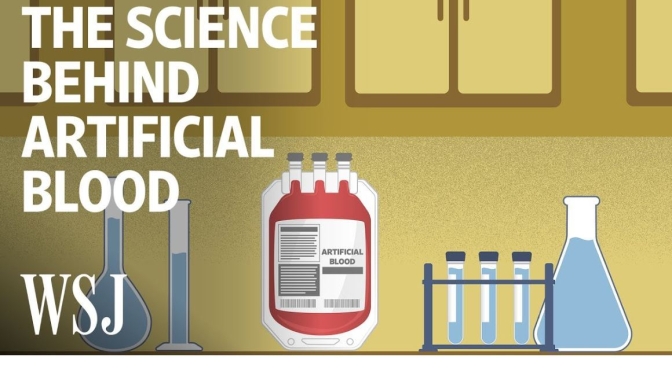
The coronavirus pandemic led to shortages in the blood supply across the U.S. Scientists around the world are working on a potential solution. The Future of Everything looks at the process of making artificial blood.
Illustration: Timothy Wong
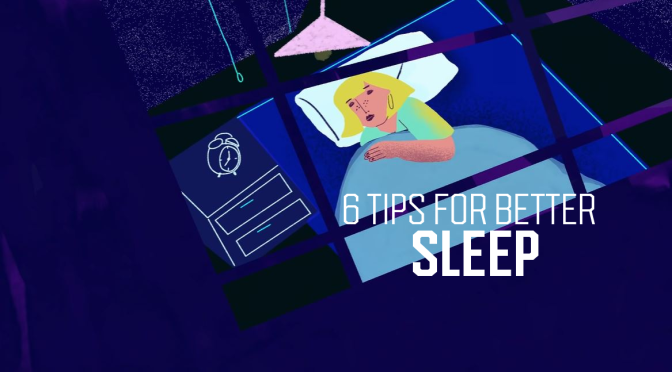
Want to not only fall asleep quickly but also stay asleep longer? Sleep scientist Matt Walker explains how your room temperature, lighting and other easy-to-fix factors can set the stage for a better night’s rest.
Sleeping with Science, a TED series, uncovers the facts and secrets behind our nightly slumber. (Made possible with the support of Beautyrest)
Check out more: https://go.ted.com/sleepingwithscience



 Boomers Daily