From web post by Michael B. Edmond (April 11, 2020):
Our goal should be to have a face shield for every person in the country. It should be worn anytime a person leaves their home, while in any public place, and even at work. From news reports, it appears that face shields are already being more commonly worn in other nations, particularly in some Asian countries.
The advantages of face shields are their durability allowing them to be worn an indefinite number of times, the ability to easily clean them after use, their comfort, and they prevent the wearer from touching their face. Importantly, they cover all the portals of entry for this virus–the eyes, the nose, and the mouth. Moreover, the supply chain is significantly more diversified than that of face masks, so availability is much greater.
Some are critical of any strategy that isn’t perfect. But let’s think about the influenza vaccine. Although the effectiveness varies from year to year, on average it’s 40%. We push this vaccine hard in the hospital and in the community. Could we expect that face shields are at least 40% effective in reducing the transmission of COVID-19? I think so. Universal shielding would bend the curve more quickly and accelerate the ability to reduce social distancing and restrictions on movement.
.
Face shields are a simple solution that if implemented universally would have a major impact on public health. Until we have a vaccine, this may be our best intervention for preventing transmission in the community.
Michael B. Edmond, MD, MPH, MPA, MBA is the Chief Quality Officer and Associate Chief Medical Officer for University of Iowa Health Care and Clinical Professor of Infectious Diseases at the University of Iowa Carver College of Medicine. He previously served as the Richard P. Wenzel Professor of Internal Medicine, Chair of the Division of Infectious Diseases, and Hospital Epidemiologist at Virginia Commonwealth University in Richmond.
From a BBC.com article by Jessica Brown (April 6, 2020):
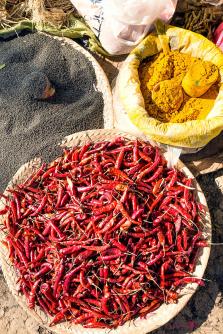
Red chili, black pepper and turmeric.
“The major findings were that higher intake of spicy foods is related to a lower risk of mortality, particularly deaths due to cancer, heart disease, and respiratory diseases,” says researcher Lu Qi, professor of nutrition at Harvard’s school of public health.
Many researchers believe the health benefits of spices actually come from what we eat them with. For example, there’s a tendency to use them to replace salt, says Lipi Roy. “Spices make food delicious and flavourful, and they can be a healthier alternative to salt,” she says.
Spices have been a part of our diets for thousands of years – it’s second nature to sprinkle our chips with pepper, sip on ginger tea and add chillies to our meals. But recently, some spices have been unofficially promoted from everyday culinary staples to all-healing superfoods.
A selection of three essential articles read aloud from the latest issue of The Economist. This week, covid-19 presents grim choices between life, death and, ultimately, the economy (11:02), lockdowns in Asia have sparked a stampede home (17:52) And, Formula 1 comes up with a breathing machine for covid-19 patients.
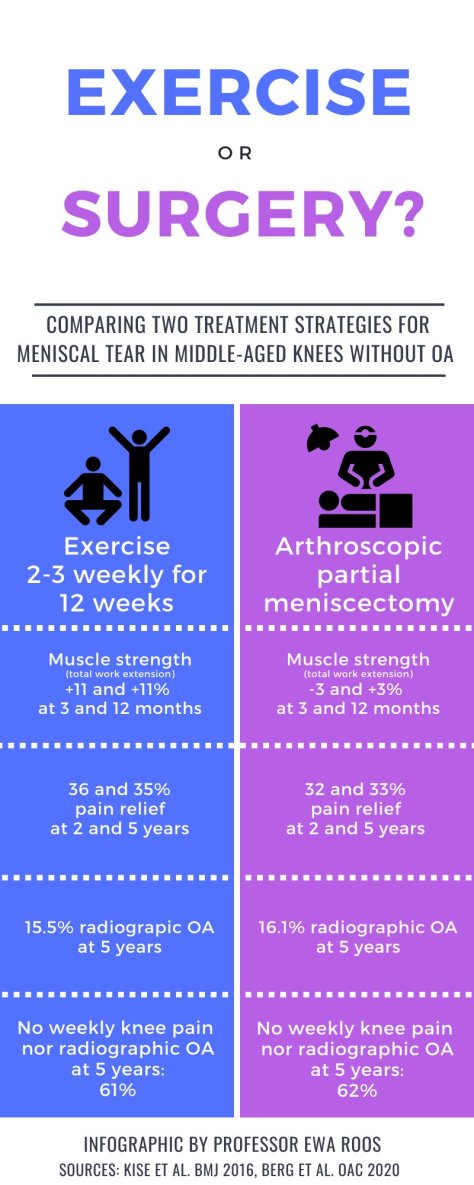
Conclusion: The study was inconclusive with respect to potential differences in progression of individual radiographic features after surgical and non-surgical treatment for degenerative meniscal tear. Further, we found no strong evidence in support of differences in development of incident radiographic knee osteoarthritis or patient-reported outcomes between exercise therapy and arthroscopic partial meniscectomy.
Objective: To evaluate progression of individual radiographic features 5 years following exercise therapy or arthroscopic partial meniscectomy as treatment for degenerative meniscal tear.
Design: Randomized controlled trial including 140 adults, aged 35-60 years, with a magnetic resonance image verified degenerative meniscal tear, and 96% without definite radiographic knee osteoarthritis. Participants were randomized to either 12-weeks of supervised exercise therapy or arthroscopic partial meniscectomy. The primary outcome was between-group difference in progression of tibiofemoral joint space narrowing and marginal osteophytes at 5 years, assessed semi-quantitatively by the OARSI atlas. Secondary outcomes included incidence of radiographic knee osteoarthritis and symptomatic knee osteoarthritis, medial tibiofemoral fixed joint space width (quantitatively assessed), and patient-reported outcome measures. Statistical analyses were performed using a full analysis set. Per protocol and as treated analysis were also performed.
Results: The risk ratios (95% CI) for progression of semi-quantitatively assessed joint space narrowing and medial and lateral osteophytes for the surgery group were 0.89 (0.55-1.44), 1.15 (0.79-1.68) and 0.77 (0.42-1.42), respectively, compared to the exercise therapy group. In secondary outcomes (full-set analysis) no statistically significant between-group differences were found.
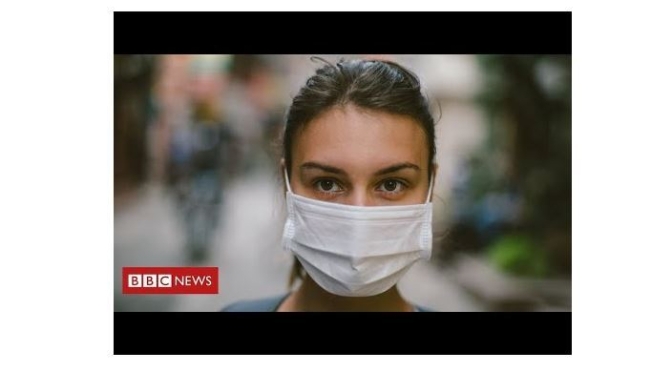
New research suggests that face masks may offer more protection against coronavirus infection than previously thought. It suggests that coughs and sneezes may be projected much further than scientists had thought possible. The World Health Organisation is considering whether to update its guidance on face masks and the White House may recommend that Americans wear them. Meanwhile in the UK hospitality companies are turning their skills to help those in need. And for the second week in a row, applause has rung out from members of the public showing gratitude to NHS staff and other workers helping to keep the country going. Sophie Raworth presents BBC News at Ten coverage from Science Editor David Shukman and Social Affairs Correspondent Alison Holt.
On this week’s show, host Joel Goldberg gets an update on the coronavirus pandemic from Senior Correspondent Jon Cohen. In addition, Cohen gives a rundown of his latest feature, which highlights the relationship between diseases and changing seasons—and how this relationship relates to a potential coronavirus vaccine.
Also this week, from a recording made at this year’s AAAS annual meeting in Seattle, host Meagan Cantwell speaks with Alexandra Maertens, director of the Green Toxicology initiative at Johns Hopkins University, Baltimore, about the importance of incorporating nonanimal testing methods to study the adverse effects of chemicals.
As many businesses around the world struggle, a Canadian disinfectant company is increasing production to keep up with demand during the novel coronavirus outbreak. Photo: Ron Kolumbus/WSJ
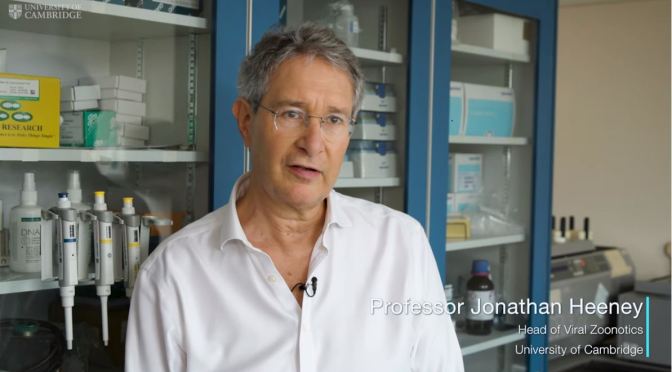
The race is on to find a vaccine against the new COVID-19 coronavirus. Professor Jonathan Heeney explains why a cautious approach is needed and how his team is using new technology developed for influenza and Ebola viruses to target the new infection.
It is hard now to conceive that two months ago, few people had heard of the new coronavirus. Now, the virus, which causes the disease COVID-19, has spread to every corner of the globe. The World Health Organization has officially declared the outbreak a pandemic.
With the threat of hundreds of thousands – possibly millions – of people being infected and healthcare systems becoming overwhelmed, the race is on to develop a vaccine that will protect individuals and slow the spread of the disease. But Professor Jonathan Heeney, Head of the Laboratory of Viral Zoonotics at the University of Cambridge, and one of the people working on a vaccine, says that coronaviruses present a particular challenge to vaccine developers.
Coronaviruses are named after their appearance: they are spherical objects, on the surface of which sit ‘spike’ proteins. The virus uses these spikes to attach to and invade cells in our body. Once inside, the virus uses the cell’s own machinery to help itself replicate and spread throughout the body, causing disease and allowing it to transmit onwards.
Traditionally, scientists would develop vaccines that programme the body to produce antibodies that recognise and block these spikes. But this strategy can misfire with coronaviruses due to a phenomenon known as ‘antibody-induced enhancement’ or ‘vaccine-induced enhancement’, says Heeney.
“If you make antibodies against the spike, they can end up binding to it and helping the virus invade important immune cells known as monocyte-macrophages. Rather than destroying the virus, these cells can then end up being reprogrammed by the viruses, exacerbating the immune response and making the disease much, much worse than it would otherwise be.”
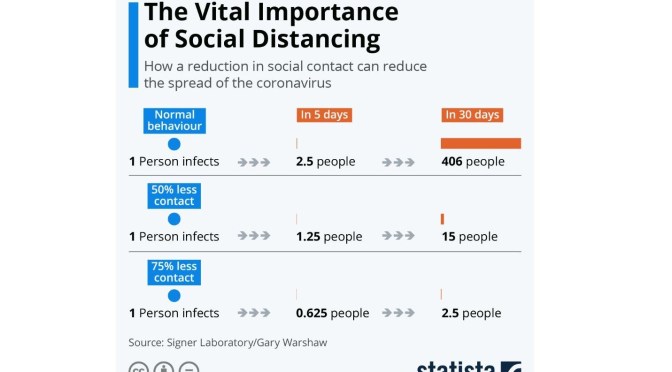
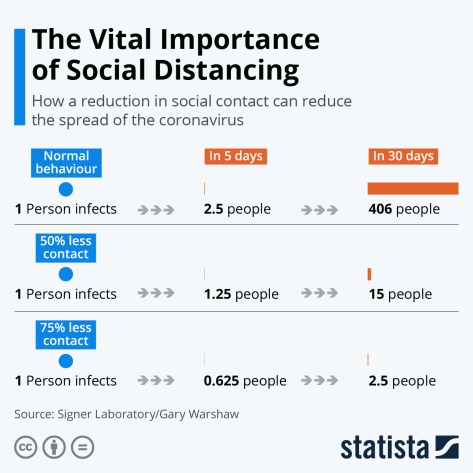
In order to stem the spread of the coronavirus, social interactions around the world are being restricted. This infographic, based on calculations by Robert A. J. Signer, Assistant Professor of Medicine at the University of California San Diego, shows how this so-called social distancing can reduce the spread of the virus.
With no changes to social behaviour, one infected person will on average pass the virus to 2.5 people within five days. After 30 days, the figure would rise to a devastating 406 new infections. The number can be significantly reduced though by engaging in less social contact. With a 50 percent reduction, the number of new infections caused by the average person after 30 days is just 15 people. A 75 percent change would result in an even lower 2.5 new cases – greatly reducing the burden on health services and, if followed by everybody, allowing a country to ‘flatten the curve’ of new infections.
News, Views and Reviews For The Intellectually Curious



 Spices have been a part of our diets for thousands of years – it’s second nature to sprinkle our chips with pepper, sip on ginger tea and add chillies to our meals. But recently, some spices have been unofficially promoted from everyday culinary staples to all-healing superfoods.
 A selection of three essential articles read aloud from the latest issue of The Economist. This week,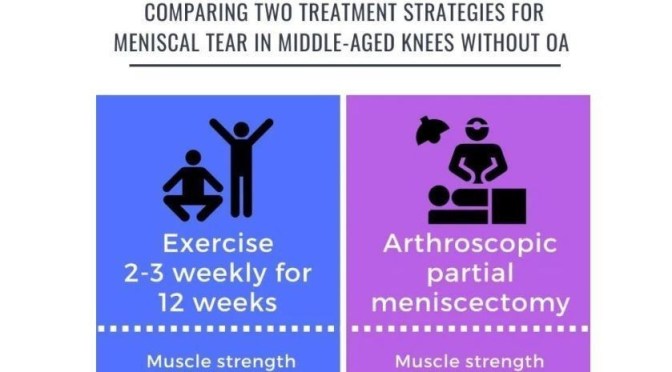



 On this week’s show, host Joel Goldberg gets an update on the coronavirus pandemic from Senior Correspondent Jon Cohen. In addition, Cohen gives a rundown of
 Boomers Daily