
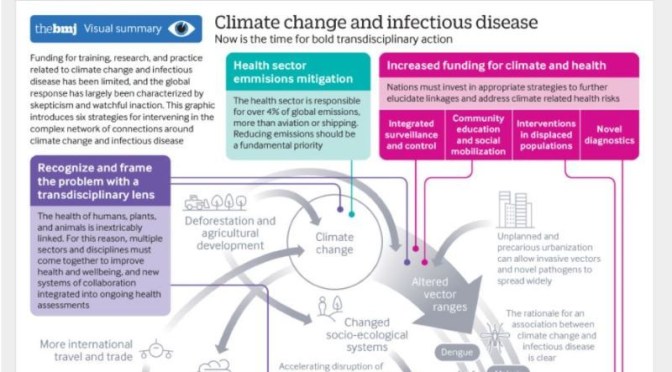
In recent decades, the worldwide burden of infectious disease has fallen, thanks to sanitation, hygiene, and prevention and control efforts. But the covid-19 pandemic shows how great a threat to global health remains – particularly as the climate crisis continues to affect disease spread and our response in myriad ways. Increasing temperatures are expanding the areas where diseases such as malaria and dengue thrive. More flooding and drought increases disease risk. Hygiene requires access to clean water. Further urbanization and migration related to climate change will also complicate prevention and control. The BMJ has published “The time is now” collection, calling for the strengthening of the global response to climate change and communicable disease. https://www.bmj.com/communicable-dise…
Tag Archives: Disease
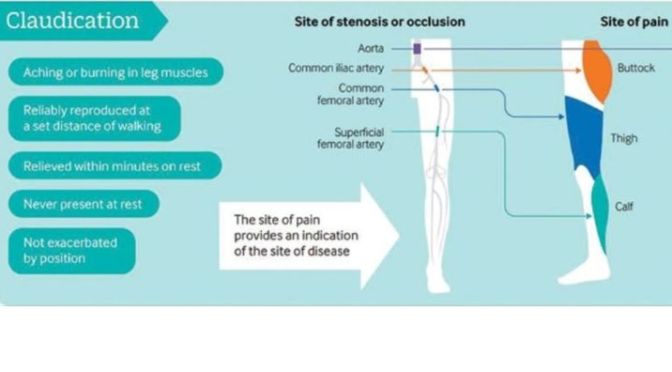
Infographic: Exercise For ‘Claudication’ (BMJ Study)
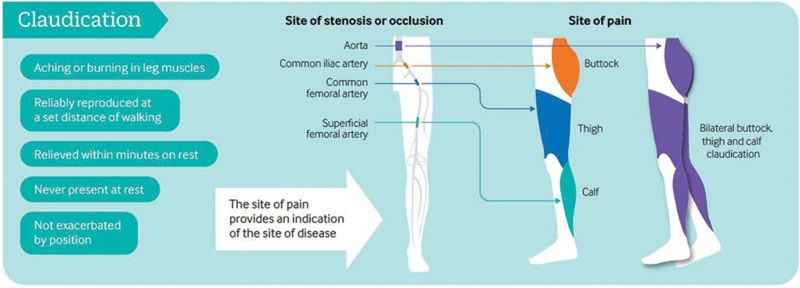
Exercise training is a safe, effective and low-cost intervention for improving walking ability in patients with IC. Additional benefits may include improvements in QoL, muscle strength and cardiorespiratory fitness. Clinical guidelines advocate supervised exercise training as a primary therapy for IC, with walking as the primary modality.
However, evidence is emerging for the role of various other modes of exercise including cycling and progressive resistance training to supplement walking training. In addition, there is emerging evidence for home-based exercise programmes. Revascularisation or drug treatment options should only be considered in patients if exercise training provides insufficient symptomatic relief.
Abstract
Peripheral artery disease (PAD) is caused by atherosclerotic narrowing of the arteries supplying the lower limbs often resulting in intermittent claudication, evident as pain or cramping while walking. Supervised exercise training elicits clinically meaningful benefits in walking ability and quality of life. Walking is the modality of exercise with the strongest evidence and is recommended in several national and international guidelines. Alternate forms of exercise such as upper- or lower-body cycling may be used, if required by certain patients, although there is less evidence for these types of programmes. The evidence for progressive resistance training is growing and patients can also engage in strength-based training alongside a walking programme. For those unable to attend a supervised class (strongest evidence), home-based or ‘self-facilitated’ exercise programmes are known to improve walking distance when compared to simple advice. All exercise programmes, independent of the mode of delivery, should be progressive and individually prescribed where possible, considering disease severity, comorbidities and initial exercise capacity. All patients should aim to accumulate at least 30 min of aerobic activity, at least three times a week, for at least 3 months, ideally in the form of walking exercise to near-maximal claudication pain.

New Medical Technology: UC Davis Scientists Invent World’s First Total-Body PET Scanner (Video)
UC Davis Health scientists Simon Cherry and Ramsey Badawi spent 15 years developing the world’s first total-body PET scanner, called EXPLORER. This imaging machine scans a patient’s entire body at one time, delivering breathtaking image quality that improves patient diagnoses and disease research.
UC Davis Cultivating Health blog: https://health.ucdavis.edu/cultivatin…

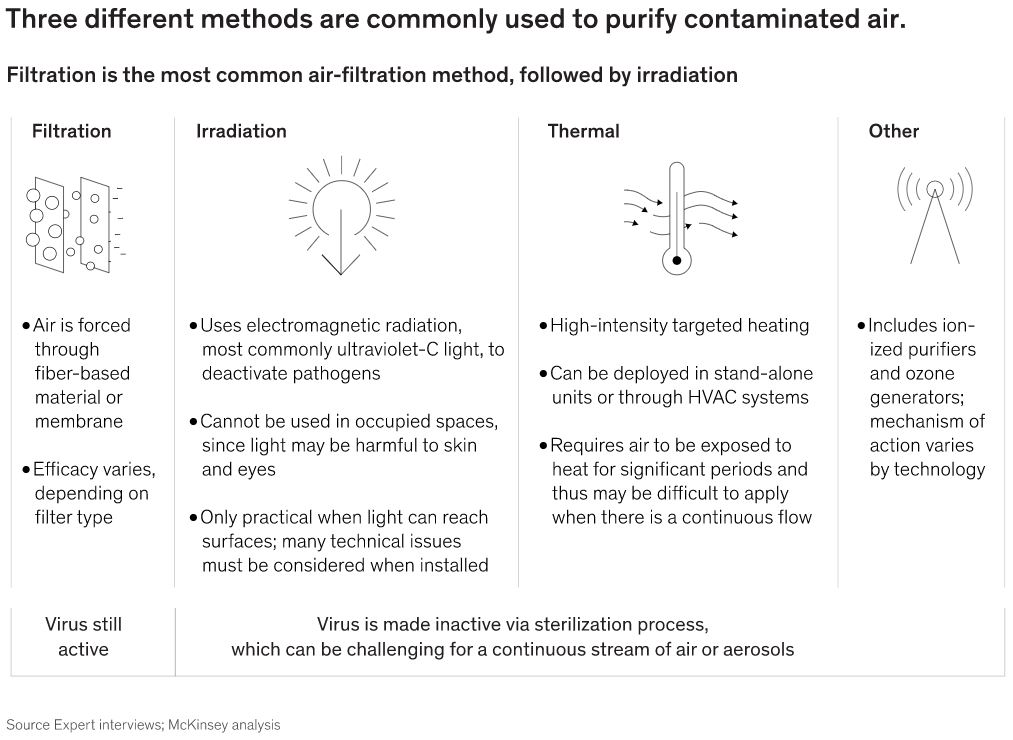
Health Infographics: How “Strong HVAC Airflows Spread Covid-19 Indoors”
From McKinsey & Company (July 9, 2020):
 The World Health Organization recently acknowledged that some evidence about in-room transmission is worrisome. In addition, after analyzing a transmission event at a restaurant in China, the US Centers for Disease Control and Prevention (CDC) concluded that an asymptomatic patient transmitted the virus to families at two nearby tables.
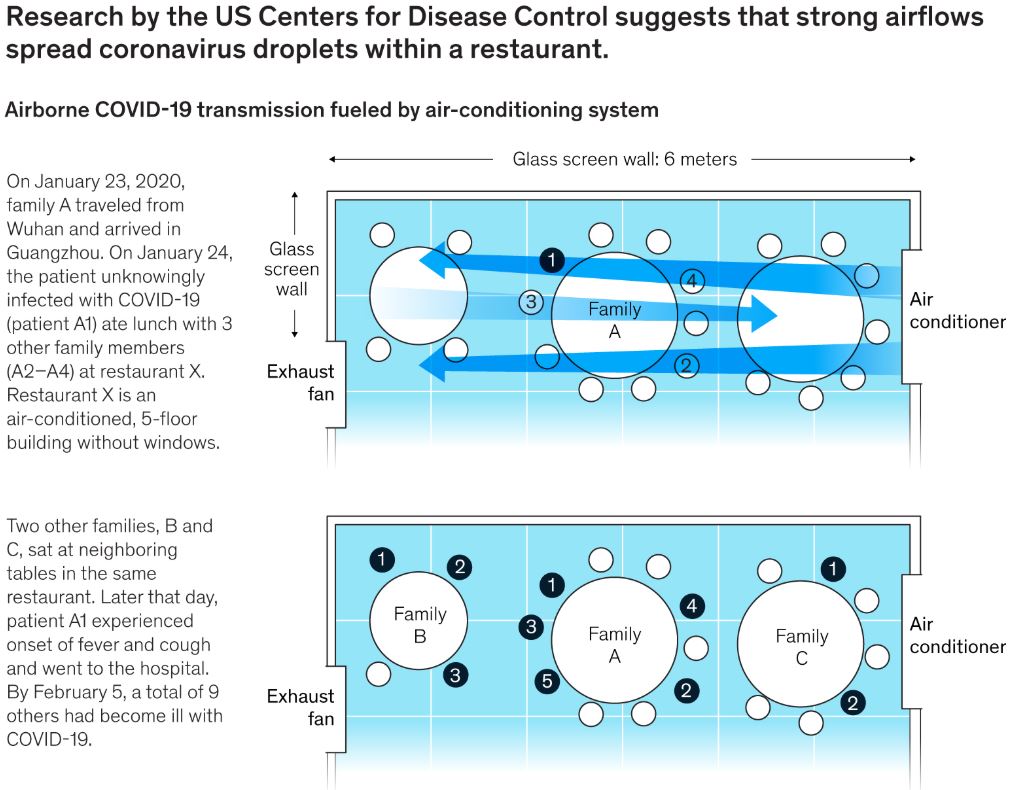
Based on the restaurant layout, seating arrangements, and smear samples from air-conditioning inlets and outlets, the CDC found that the coronavirus was likely transmitted when strong airflows from a nearby air conditioner spread large droplets from the infected person. These droplets traveled more than one meter—further than usual, but less than the distance aerosols can typically travel.


Medical: Diagnosis And Treatment Of “Parkinson’s Disease” (JAMA Podcast)
 More than 6 million people worldwide have Parkinson disease. Even though it is classically associated with tremors, the disease has many manifestations and is very treatable for most patients.
Michael S. Okun, MD, from the Department of Neurology at the University of Florida, Gainesville, discusses the pathophysiology, clinical presentation, diagnosis, and treatment of Parkinson disease.
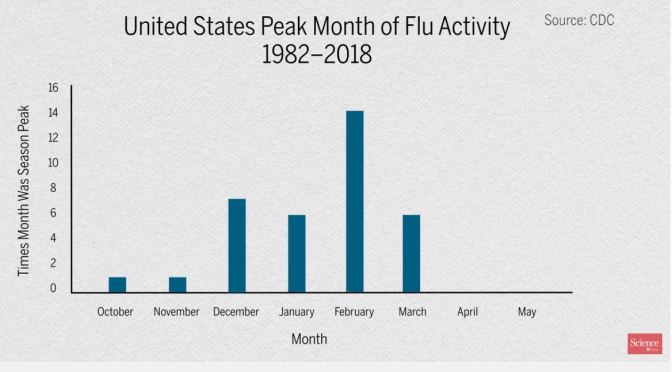
Health: Diseases Rise And Fall With The Seasons – Will Coronavirus? (Video)
Scientists and doctors have observed for thousands of years that some diseases, like polio and influenza, rise and fall with the seasons. But why? Ongoing research in animals and humans suggests a variety of causes, including changes in the environment (like pH, temperature, and humidity) and even seasonal and daily changes to our own immune systems. Figuring out those answers could one day make all the difference in minimizing the impact of infectious disease outbreaks—such as COVID-19.
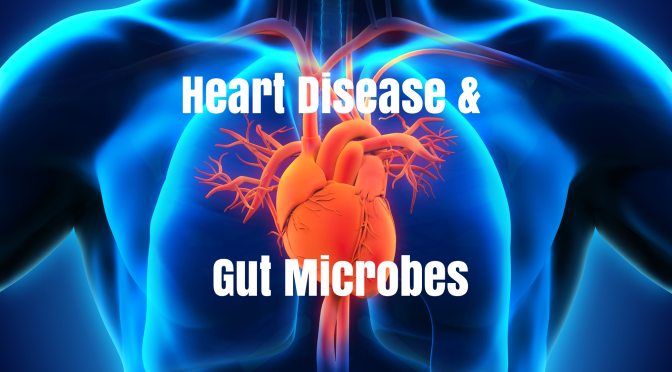
Heart Health Video: “Beta Blockers” Lower CVD Risks Of Harmful Gut Microbes
Hazen and colleagues find that gut bacteria play a central role in the conversion of dietary proteins into a compound, phenylacetylglutamine ( PAGln), which not only is associated with future cardiovascular disease risk in humans but also promotes platelet responsiveness and blood clotting potentially via adrenergic receptors, according to mouse models.
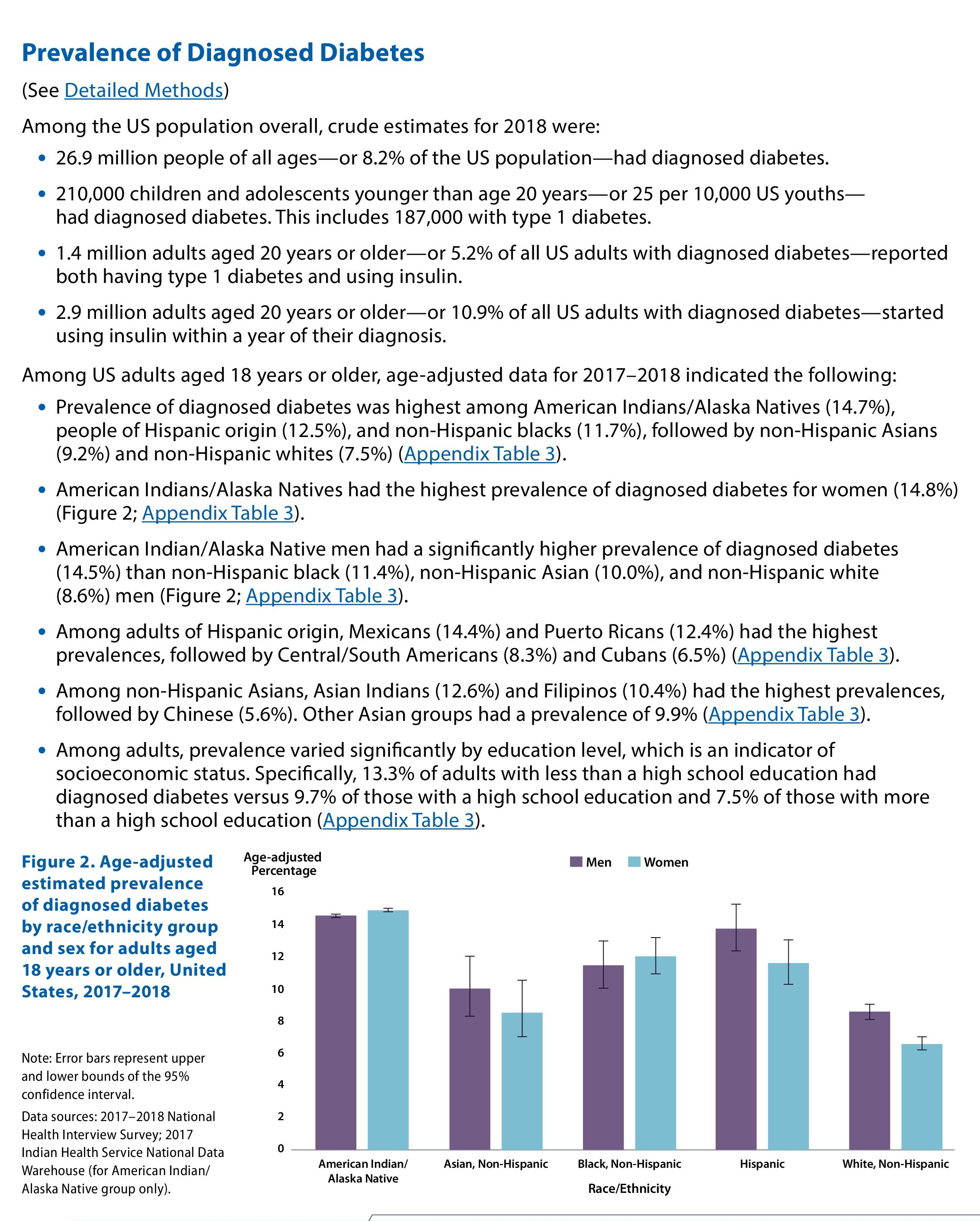
Health: “2020 National Diabetes Statistics Report”
 The National Diabetes Statistics Report is a periodic publication of the Centers for Disease Control and Prevention (CDC) that provides updated statistics about diabetes in the United States for a scientific audience. It includes information on prevalence and incidence of diabetes, prediabetes, risk factors for complications, acute and long-term complications, deaths, and costs. These data can help focus efforts to prevent and control diabetes across the United States.

Health: “Myths And Realities Of Parkinson’s Disease” (Video)
In this Neuro Talk, Parkinson’s Foundation Chief Scientific Officer, Jim Beck, PhD, debunks common myths and misconceptions about Parkinson’s disease.
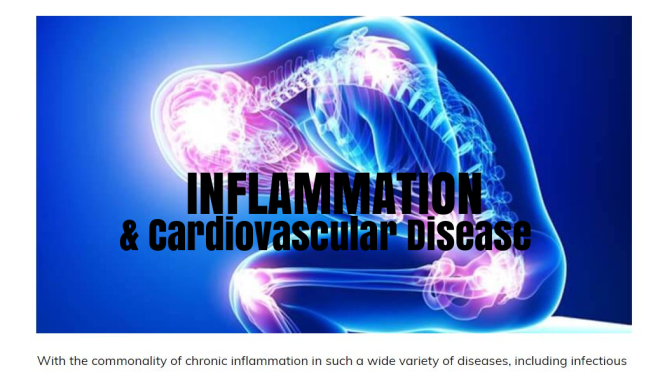
Infographic: “The Role Of Inflammation In Disease”


 Boomers Daily