


Yansong is the first participant in Concrete Icons, a new video series profiling the most iconic contemporary concrete buildings by the world’s leading architects. The video focusses on MAD’s Cloudscape of Haikou, a library with a flowing form cast in white concrete located in a waterside park in Haikou on the island of Hainan.
Completed in 2021, the 1,000-square-metre structure houses a library, cafe, restrooms, showers, a nursery room, and bike storage, and acts as a waystation for visitors to the park. Speaking to Dezeen in an exclusive video interview filmed at MAD’s offices in Beining, Yansong explained how the building is designed to put visitors in a contemplative or imaginative state of mind.
Read more on Dezeen: https://www.dezeen.com/?p=1866618
The Cloudscape of Haikou
MAD Architects, led by Ma Yansong, has announced the opening of the Cloudscape of Haikou is located on the southern tip of China. A unique urban public and cultural space for citizens and visitors to Haikou, this flowing, sculptural concrete form was named as one of the “most anticipated architecture projects of 2021” by The Times of London.
A prominent port city on the southern tip of China, Haikou was once an important stop on the Maritime Silk Road. With the establishment of the Hainan International Tourism Island and Hainan Free Trade Zone, Haikou’s influence has seen a gradual resurgence in modern times. Meanwhile, Haikou’s government is also enriching the city’s cultural importance, through enhancing the social attributes of the city’s public spaces, and strengthening the connection between the city, humanities, and architecture. The Cloudscape of Haikou is one such culmination of this effort.
The Cloudscape of Haikou is the first of sixteen coastal pavilions commissioned by the Haikou Tourism and Culture Investment Holding Group to rejuvenate the historic port city, with the aim of improving public space along the coastline. Known as “Haikou, Pavilions by the Seaside,” the initiative invited teams of internationally recognized architects, artists, and interdisciplinary professionals to create sixteen landmark public stations.



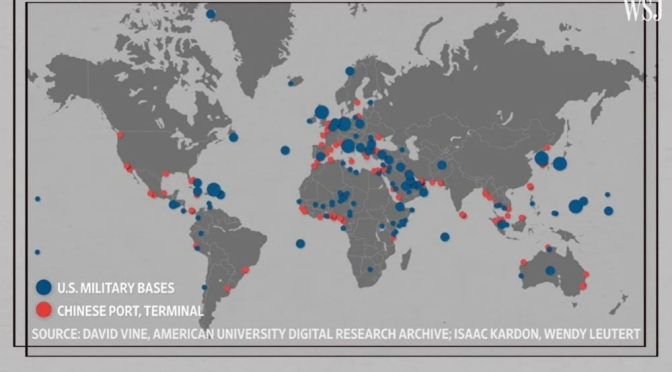
 Wall Street Journal – The U.S. operates hundreds of foreign military bases. China has only one, but military experts say Beijing is also leveraging over 90 commercial ports. WSJ unpacks what’s on these bases and the countries’ differing strategies to expand their global footprint.

 Boomers Daily