



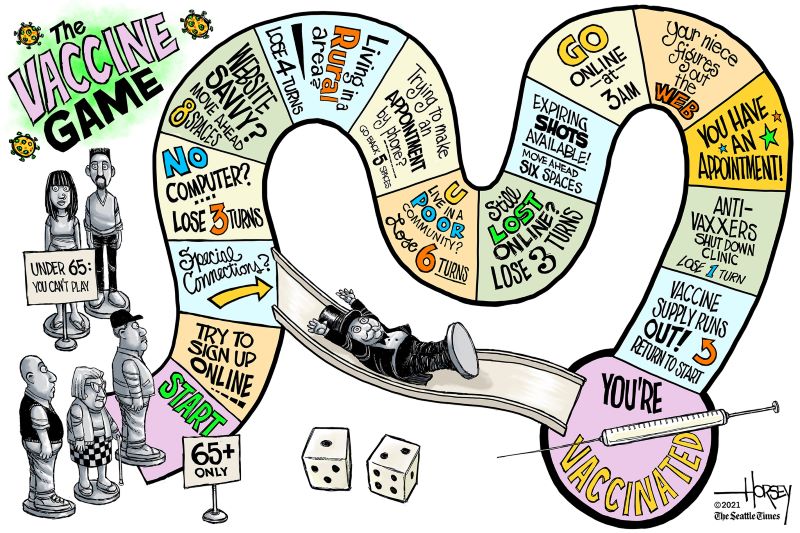


The New Yorker Cartoonist Amy Kurzweil will never read all three volumes and 1,928 pages of “On What Matters,” but she knows how to draw them.
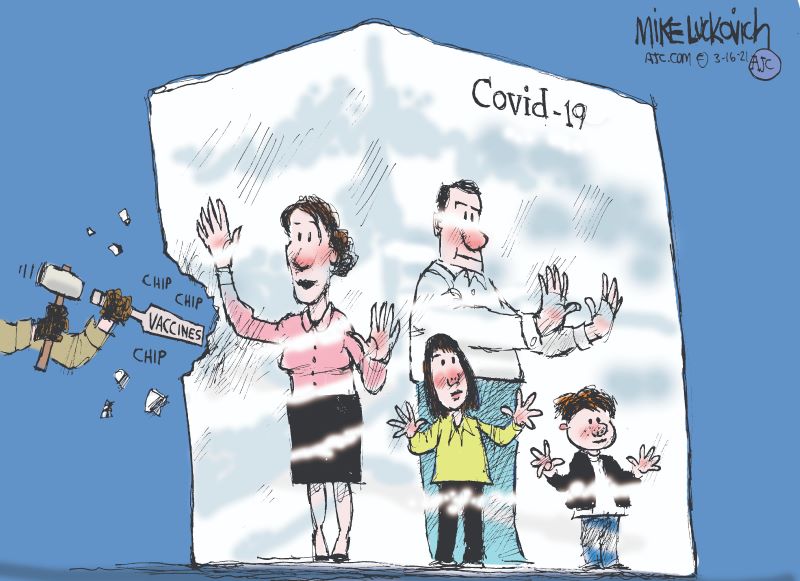
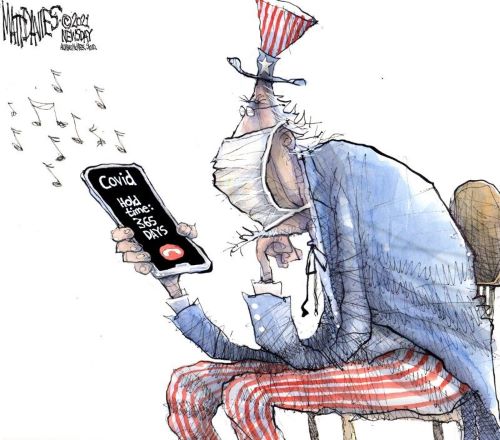
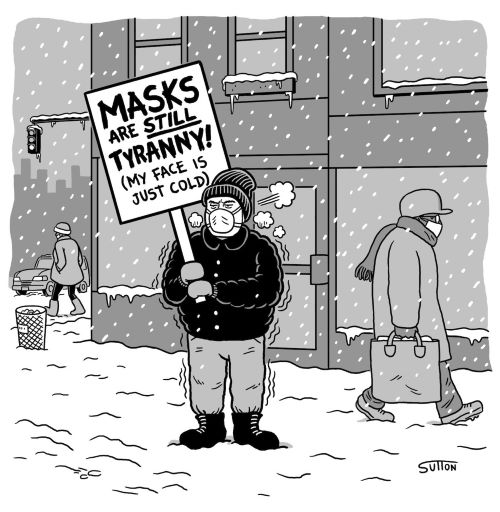
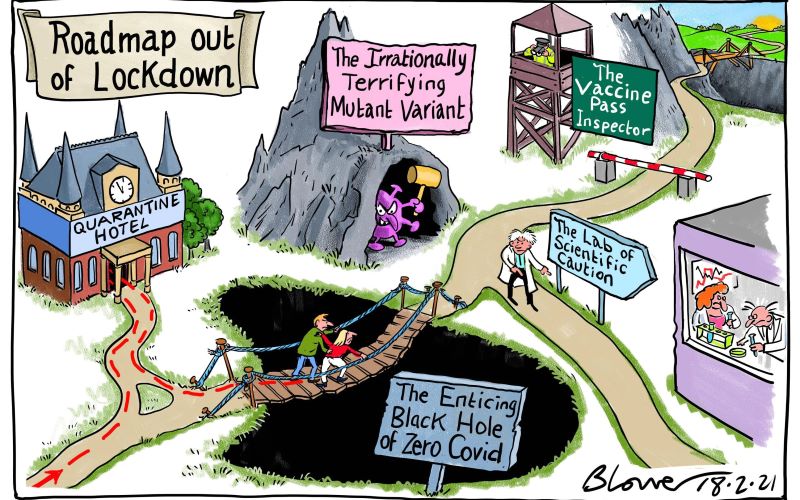
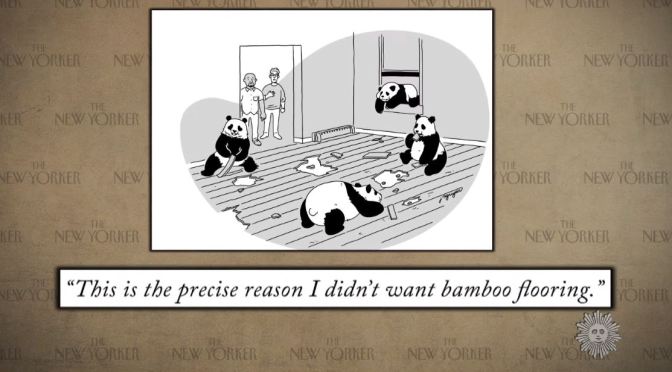
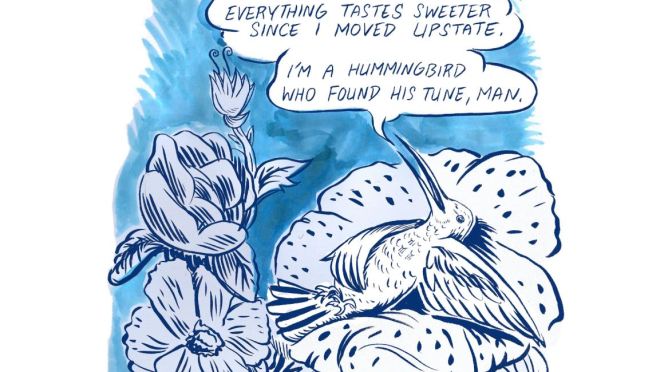
For some 95 years, cartoons in The New Yorker magazine have captured the spirit of their times. “Sunday Morning” presents a recent sampling from cartoonists Victoria Roberts, Pia Guerra and Ian Boothby, Jeremy Nguyen, and David Sipress.
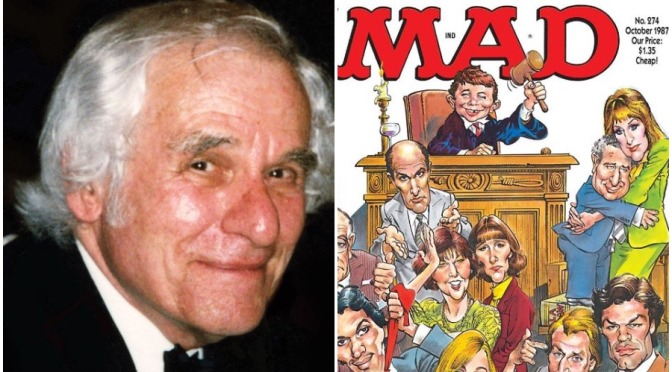
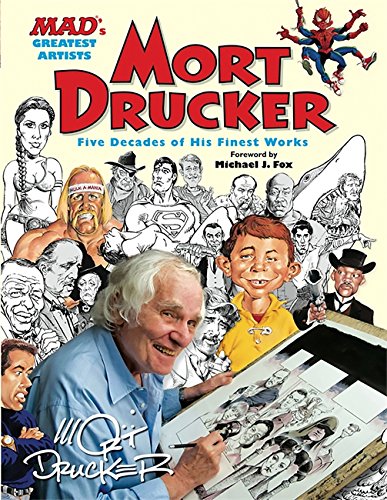 MAD Magazine and DC Comics mourn the loss of Mort Drucker, whose artwork proved that parody is the sincerest form of flattery. “Mort was one of the best—maybe the best—caricature artists in the world,” said DC Chief Creative Officer and Publisher Jim Lee. “His work will continue to entertain for generations.”
Mort entered the comics field when he was 18, working as a production artist for DC. His first original piece of art was a one-pager titled “Tinker Tom Shows You How to Make Fancy Western Duds,” published in All-American Western #117 in December 1950. In 1956, Mort met with MAD publisher Bill Gaines during a Dodgers vs. Yankees World Series game. “If the Dodgers win, you’re hired,” said Gaines. They did win, and Mort began a career at MAD that would span the next five decades, and most notably brought to life the magazine’s infamous parodies of TV shows and films.
Mort won numerous awards and honors for his work, including the Reuben Award for Outstanding Cartoonist of the Year in 1987. He was inducted into the Will Eisner Hall of Fame in 2011, and in 2015 became the inaugural recipient of the National Cartoonists Society’s Medal of Honor. He received an honorary Doctorate in Fine Arts from the Art Institute of Boston, and his TIME Magazine covers hang in the National Portrait Gallery.
Created, Animated and Directed by: Tyler Pacana
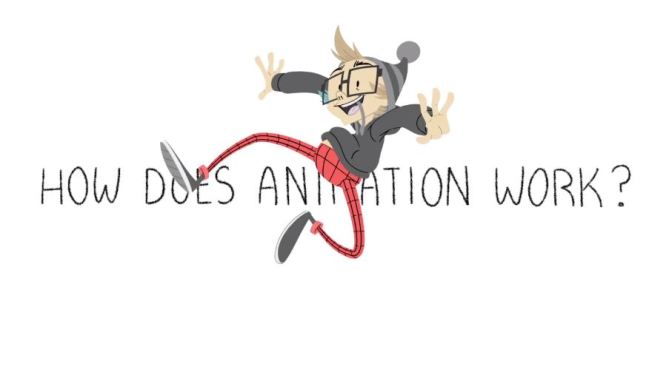
An overview of how animation is made with traditional, 2D-rigged, stop-motion, and CG techniques.
Music: Hub World – Yotam Perel
Produced at Sheridan College [2020].
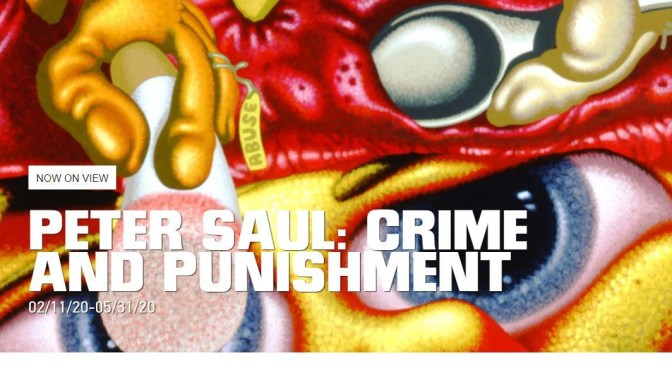
 Beginning in the early 1960s, Peter Saul began to incorporate imagery borrowed from a range of pop-cultural sources into his exuberant, brightly colored paintings, adopting a style that has proven to be far ahead of its time. His work developed independently from concurrent art historical movements like Pop art, with which it shares some superficially similar concerns. Instead of the cool detachment of Andy Warhol and Roy Lichtenstein, however, Saul crafted his own unique blend of Surrealism, history painting, vernacular illustration, and the real-life shock and horror of current events.
Marking the artist’s first New York museum survey, this exhibition will bring together approximately sixty paintings from across his long career.
Saul’s earliest paintings, which he created in Paris, demonstrate a loose, gestural style of abstraction, yet he began to incorporate text, recognizable characters, and consumer products into his works as early as 1960. Around this time, he plucked figures like Donald Duck and Superman from the pages of comic books and deposited them into chaotic scenes representative of the avarice and violence of America. In the late 1960s and early 1970s, Saul created some of his most shocking and indelible works in response to the Vietnam War, with a series that captured the conflict’s grotesque brutality, racism, and destruction. A later group of paintings, which examines the chaotic sociopolitical fabric of urban life in California, reflects the dissolution of 1960s counterculture and the corruption, racism, and greed of US politics.
Saul extended his interrogation of American history in his portraits of infamous criminals like John Wayne Gacy, archetypes like cowboys and businessmen, and US presidents such as Ronald Reagan, George W. Bush, and Donald Trump, whom Saul depicts with disdain and condemnation. He has also looked further back to reimagine supposedly triumphant scenes from America’s past—including Columbus’s arrival in America, Washington crossing the Delaware, and Custer’s Last Stand—as moments of comical failure or disgrace. With a caustic sense of humor, Saul has continuously skewered America’s leaders, rendering their stretched, distorted bodies in Day-Glo colors. His disparate influences range from MAD magazine comics to Surrealist fantasies and American social realist painting from the 1930s.
Peter Saul is an American painter. His work has connections with Pop Art, Surrealism, and Expressionism. His early use of pop culture cartoon references in the late 1950s and very early 1960s situates him as one of the fathers of the Pop Art movement. He realised about 800 paintings during his career.
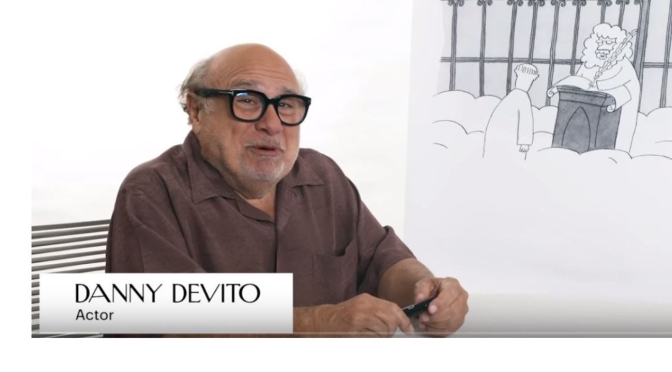
The actor, producer, and director, Danny DeVito tries his hand at our Cartoon Caption Contest.




 Boomers Daily