Tag Archives: Cardiovascular Disease

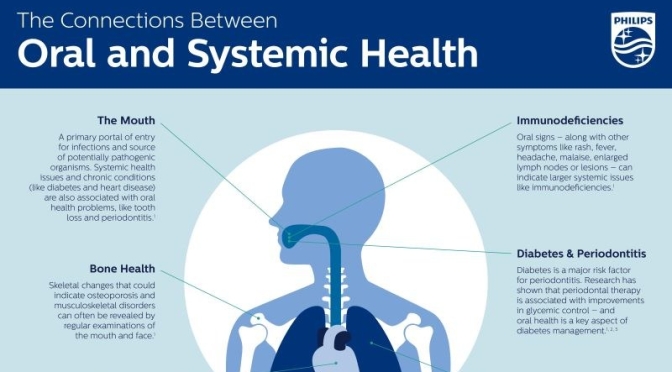
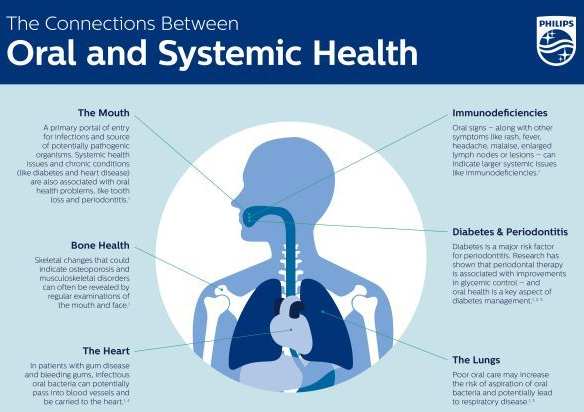
Infographic: Poor Oral Health Leads To Chronic And Systemic Disease

Good oral health leads to benefits beyond a healthy mouth

People today want to be more in control of their own health and are more attuned to getting the support and information they need online, from apps, and from connected products. Yet there are gaps in both their knowledge and daily commitment to good oral hygiene, and they need help along the way. Depending on lifestage, patient’s oral health concerns can evolve from plaque removal and aesthetics to larger concerns around gum health and disease. Too often, by the time they begin thinking about gum health, it’s too late. Multiple studies have revealed linkages between periodontal diseases and certain systemic diseases, such as diabetesheart disease and kidney disease [4][5][6].

Prevention is key. Along with professional deep cleaning, good daily brushing and interdental cleaning are critical. It’s also important for patients to have regular conversations with their dentist about oral health issues and the linkage to their overall health.
Read more

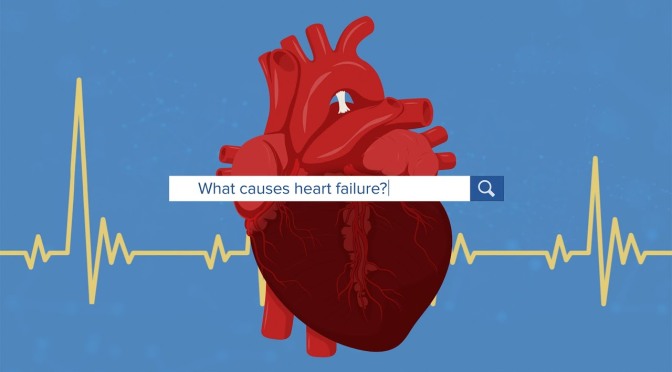
Yale Medicine: ‘What Causes Heart Failure?’

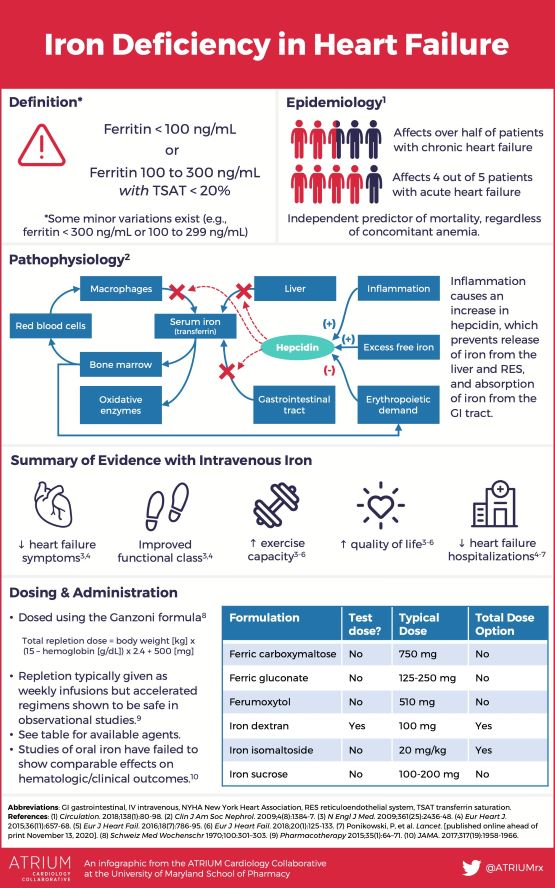
The heart is a muscle and it’s main job is to pump blood but certain things can cause that muscle to fail. There are genetic reasons, there are reasons related to valve disease, and there’s a viral infection that affects the heart called myocarditis.

The most common cause of heart failure is a heart attack. Fatty plaque builds up in the blood vessel that supplies the heart itself and unless that blood vessel is opened up immediately that muscle will die. The rest of the muscle that’s not dead anymore has to do extra to keep on pumping the blood and overtime it cannot keep and that’s when heart failure develops.

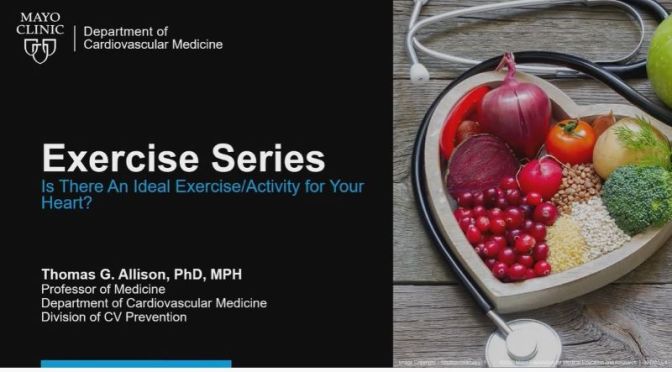
Health: ‘Ideal Exercise For The Heart’ (Mayo Clinic)

Mayo Clinic Division of Preventive Cardiology will be preparing a series of recordings focusing on Cardiovascular Disease states. This is the Exercise Series and this particular one focuses on exercise and the heart.

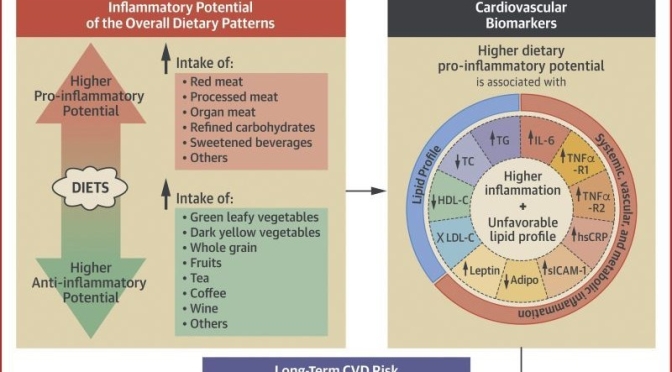
Study: “Anti-Inflamatory” Diet Of Vegetables, Fruits, Coffee & Tea Lowers Heart Disease And Stroke Risks

Dietary patterns with a higher proinflammatory potential were associated with higher CVD risk. Reducing the inflammatory potential of the diet may potentially provide an effective strategy for CVD prevention.

Background

Inflammation plays an important role in cardiovascular disease (CVD) development. Diet modulates inflammation; however, it remains unknown whether dietary patterns with higher inflammatory potential are associated with long-term CVD risk.

Read full study

Health Studies: 80% Of Married Couples Share Heart Disease Risks, Poor Health Lifestyles (JAMA)

OCTOBER 26, 2020

In this cross-sectional study of 5364 couples consisting of employees and spouses (or domestic partners) undergoing an annual employer-sponsored health assessment, 79% of the couples were in the nonideal category of a CV health score. This within-couple concordance of nonideal CV health scores was associated mostly with unhealthy diet and inadequate physical activity.

The study included 10 728 participants (5364 couples): 7% were African American, 11% Hispanic, 21% Asian, and 54% White (median [interquartile range] age, 50 [41-57] years for men and 47 [39-55] for women). For most couples, both members were in the ideal category or both were in a nonideal category.

Concordance ranged from 53% (95% CI, 52%-54%) for cholesterol to 95% (95% CI, 94%-95%) for diet. For the CV health score, in 79% (95% CI, 78%-80%) of couples both members were in a nonideal category, which was associated mainly with unhealthy diet (94% [95% CI, 93%-94%] of couples) and inadequate exercise (53% [95% CI, 52%-55%] of couples). However, in most couples, both members were in the ideal category for smoking status (60% [95% CI, 59%-61%] of couples) and glucose (56% [95% CI, 55%-58%]).

Except for total cholesterol, when 1 member of a couple was in the ideal category, the other member was likely also to be in the ideal category: the adjusted odds ratios for also being in the ideal category ranged from 1.3 (95% CI, 1.1-1.5; P ≤ .001) for blood pressure to 10.6 (95% CI, 7.4-15.3; P ≤ .001) for diet. Concordance differed by ethnicity, socioeconomic status, and geographic location.

Read full study

Health: New Studies Find “Coffee & Caffeine” Lower Heart Disease, Cancer Risk

NEW ENGLAND JOURNAL OF MEDICINE (JULY 23, 2020): A large body of evidence suggests that consumption of caffeinated coffee, the main source of caffeine intake in adults in the United States, does not increase the risk of cardiovascular diseases and cancers. In fact, consumption of 3 to 5 standard cups of coffee daily has been consistently associated with a reduced risk of several chronic diseases. 

This slideshow requires JavaScript.

The New England Journal of Medicine LogoCoffee and tea have been consumed for hundreds of years and have become an important part of cultural traditions and social life.5 In addition, people use coffee beverages to increase wakefulness and work productivity. The caffeine content of commonly used sources of caffeine is shown in Table 1. For a typical serving, the caffeine content is highest in coffee, energy drinks, and caffeine tablets; intermediate in tea; and lowest in soft drinks. In the United States, 85% of adults consume caffeine daily,6 and average caffeine intake is 135 mg per day, which is equivalent to about 1.5 standard cups of coffee (with a standard cup defined as 8 fluid oz [235 ml]).7 Coffee is the predominant source of caffeine ingested by adults, whereas soft drinks and tea are more important sources of caffeine ingested by adolescents,
Read full article