

 Screenwriter-cum-author Alex Michaelides’ influences range from Agatha Christie to Euripides. His most recent book, ‘The Silent Patient’, has garnered much acclaim: the thriller is being made into a film having gripped audiences worldwide and topped The New York Times bestseller list.
Alex Michaelides was born in Cyprus to a Greek father and English mother. He studied English literature at Cambridge University and got his MA in screenwriting at the American Film Institute in Los Angeles. He wrote the film The Devil You Know (2013) starring Rosamund Pike and co-wrote The Brits are Coming (2018), starring Uma Thurman, Tim Roth, Parker Posey and Sofia Vergara. He is the author of the #1 New York Times bestseller, The Silent Patient.

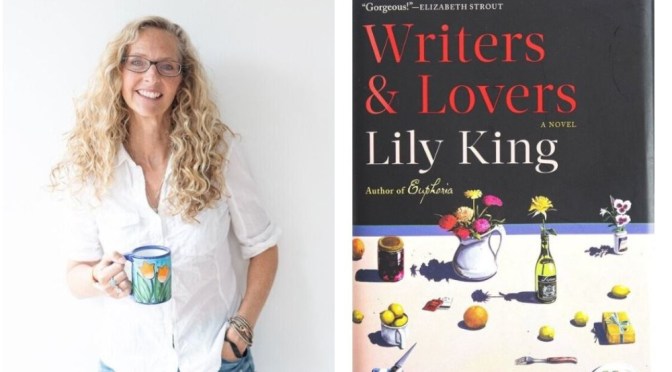
 Writers & Lovers follows Casey―a smart and achingly vulnerable protagonist―in the last days of a long youth, a time when every element of her life comes to a crisis. Written with King’s trademark humor, heart, and intelligence, Writers & Lovers is a transfixing novel that explores the terrifying and exhilarating leap between the end of one phase of life and the beginning of another.
 Lily King returns with another instant New York Times bestseller: an unforgettable portrait of an artist as a young woman.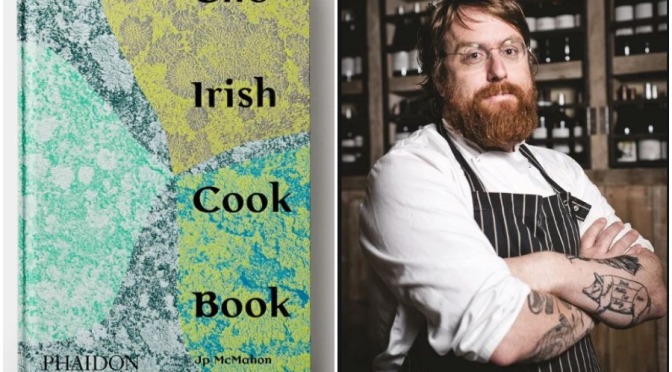
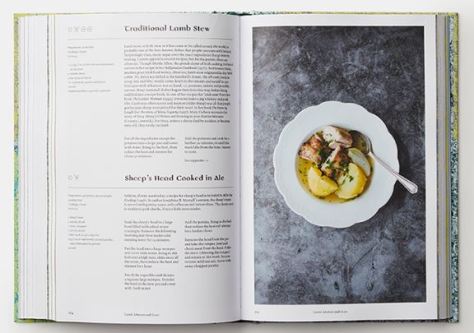
 Galway’s top chef, JP McMahon, on what the world doesn’t understand about Ireland’s food culture.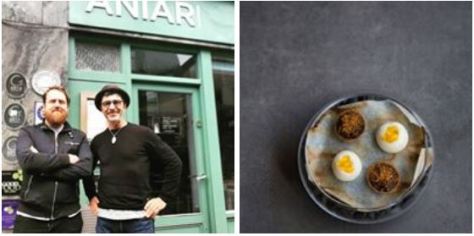

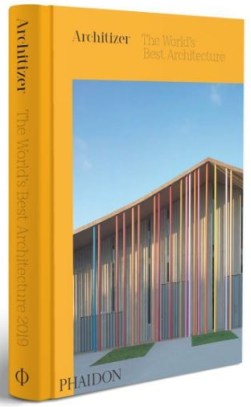 The Architizer A+Awards represent 2019’s best architecture and products, celebrated by a diverse group of influencers within and outside the architectural community. Entries are judged by more than 400 luminaries from fields as diverse as fashion, publishing, product design, real-estate development, and technology, and voted on by the public, culminating in a collection of the world’s finest buildings.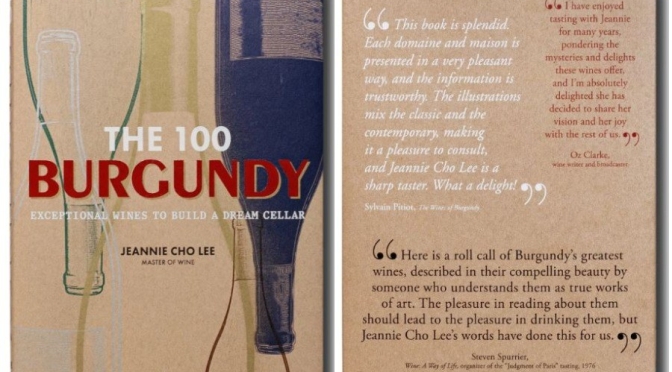
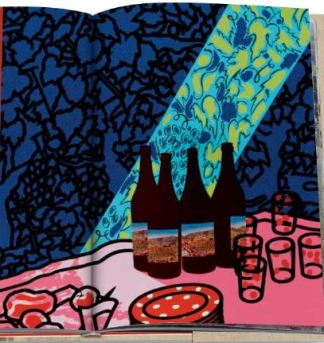 An exceptional Burgundy is not only well crafted and well balanced, it also must have essential qualities reflecting its own terroir as well as those unique to the particular vintage, distilling the very essence of the vine itself and the earth from which it springs.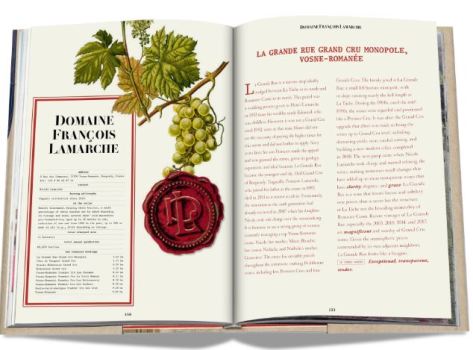
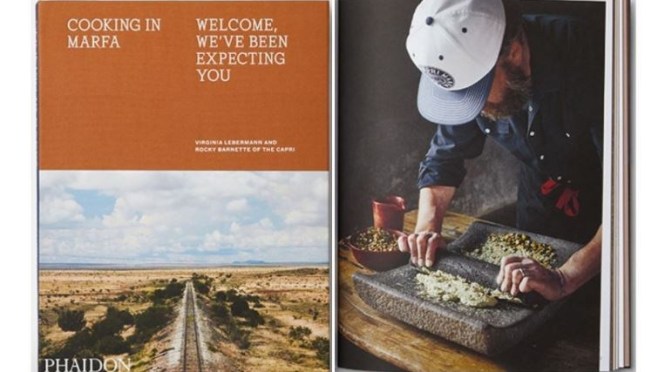
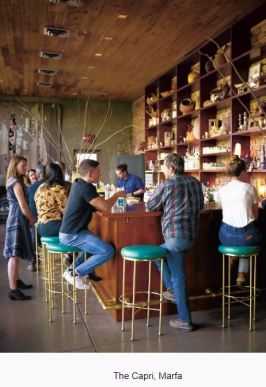 Cooking in Marfa introduces an unusual small town in the West Texas desert and, within it, a fine-dining oasis in a most unlikely place. The Capri excels at serving the spectrum of guests that Marfa draws, from locals and ranchers to artists, museum-board members, and discerning tourists.
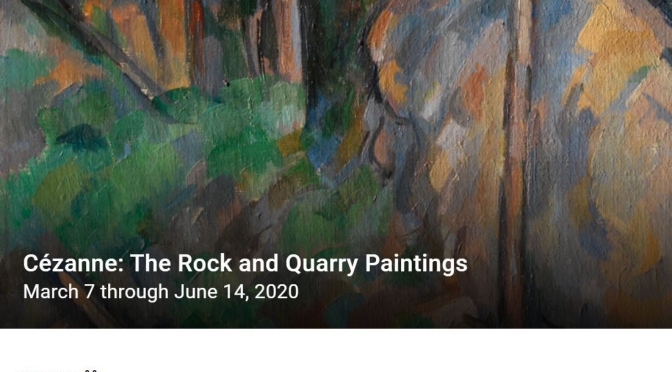
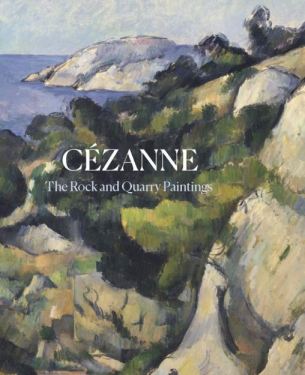 Cézanne: The Rock and Quarry Paintings is the first major exhibition to examine an essential but understudied aspect of the revolutionary French painter’s work: his profound interest in rock and geological formations.
 Boomers Daily