Tag Archives: Art

20th Century: Was Francis Bacon The Best Painter?

Is Francis Bacon really the greatest painter of the 20th century?

Triptych 1986-7 (detail)

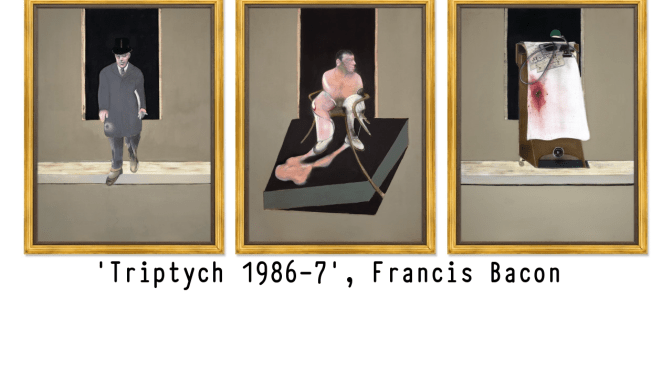
It was not an enormous surprise that an exhibition of works by Francis Bacon at the Royal Academy that is supported by Christie’s should swiftly be followed by an announcement of the auction house offering a large work for sale. Triptych 1986-7, whose central panel depicts the artist’s partner John Edwards, with Woodrow Wilson on one side and the assassinated Trotsky’s study on the other, is being offered in the sale that takes place on 1 March with an estimate of £35m–£55m. Nor is it a surprise that an auction house should drum up interest in one of their lots using superlatives. But Rakewell was a little taken aback by the claim on Instagram from a Christie’s specialist that ‘Francis Bacon is unmistakably on of the greatest painters of the 20th century.’
Read more

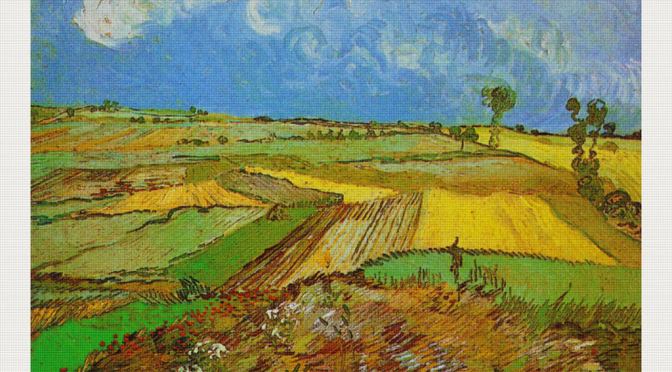
Museum Insider : ‘Wheat Fields After The Rain’ By Vincent Van Gogh (1890)

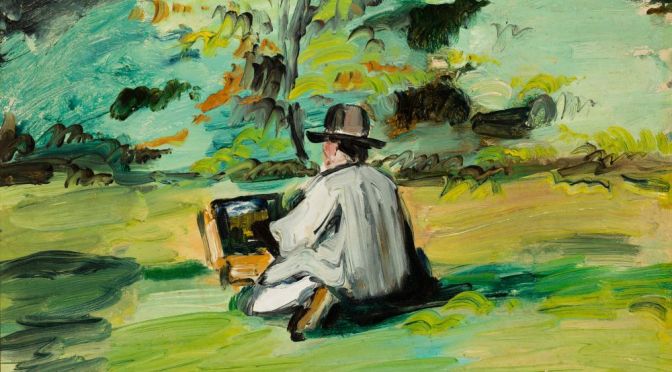
Wheat Fields after the Rain (The Plain of Auvers) – 1890

Wheat Fields is a series of dozens of paintings by Dutch Post-Impressionist artist Vincent van Gogh, borne out of his religious studies and sermons, connection to nature, appreciation of manual laborers and desire to provide a means of offering comfort to others. The wheat field works demonstrate his progression as an artist from the drab Wheat Sheaves made in 1885 in the Netherlands to the colorful and dramatic 1888–1890 paintings from ArlesSaint-Rémy and Auvers-sur-Oise in rural France.

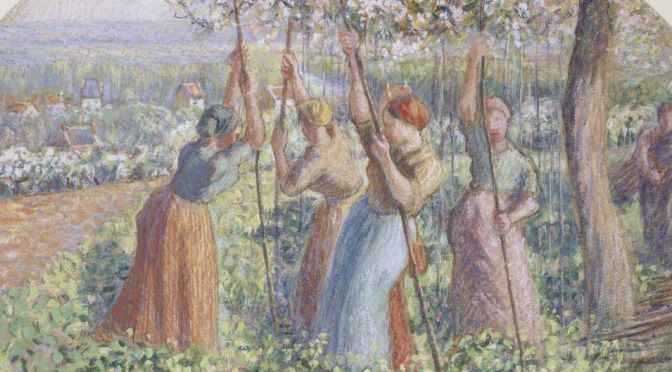
2022 Exhibitions: ‘Pissarro – Father Of Impressionism’

This major exhibition, of works drawn from the Ashmolean’s collections as well as international loans, will span Pissarro’s entire career.

Camille Pissarro (1830–1903) is one of the most celebrated artists of nineteenth-century France and a central figure in Impressionism. Considered a father-figure to many in the movement, his work was enormously influential for many artists, including Claude Monet and Paul Cézanne. It opens in spring 2022.

See more

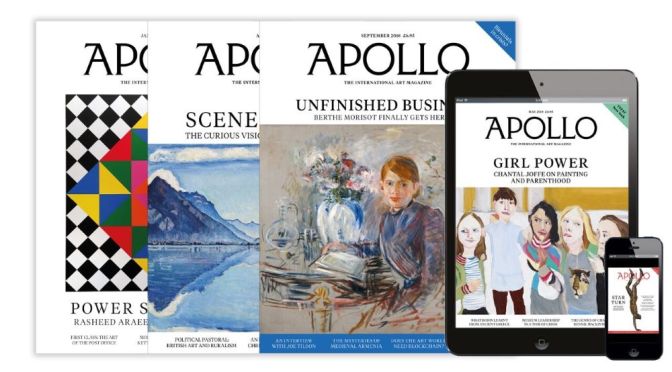
International Art: Apollo Magazine – February 2022

February 2022 | Apollo Magazine

• An interview with Ai Weiwei

• The art of kabuki theatre

• Dining with Beauty and the Beast

• The drawings of Jacques-Louis David

Plus: a touring display of Islamic arts in France, the hellish mining scenes of George Bissell, Madame de Pompadour’s porcelain, and a preview of Asia Week New York

Read more

Exhibitions: 19th Century European & American Art At The Denver Art Museum

The department of European and American Art Before 1900 oversees a collection that includes more than 3,000 artworks and is composed of painting, sculpture, and works on paper, with significant strengths in early Italian Renaissance, 19th century French painting, and British art from 1400 to 1900.

The Denver Art Museum began acquiring notable examples of European art as early as the 1930s, with donations from Samuel H. Kress, Mr. and Mrs. Simon Guggenheim, and the Havemeyers, to name a few. Their generosity helped initiate a collection that grew in time through gifts and purchases.

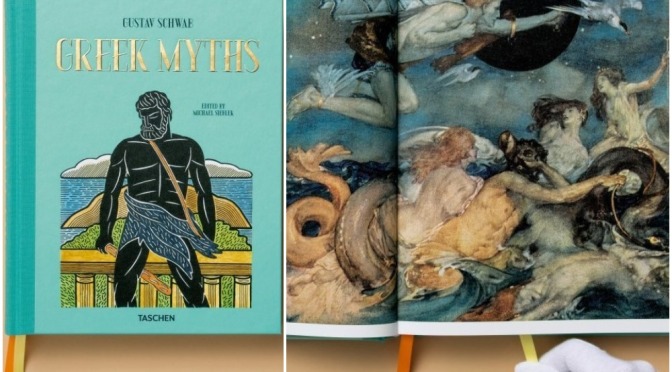
Reviews: ‘Greek Myths’ By Gustav Schwab (Taschen)

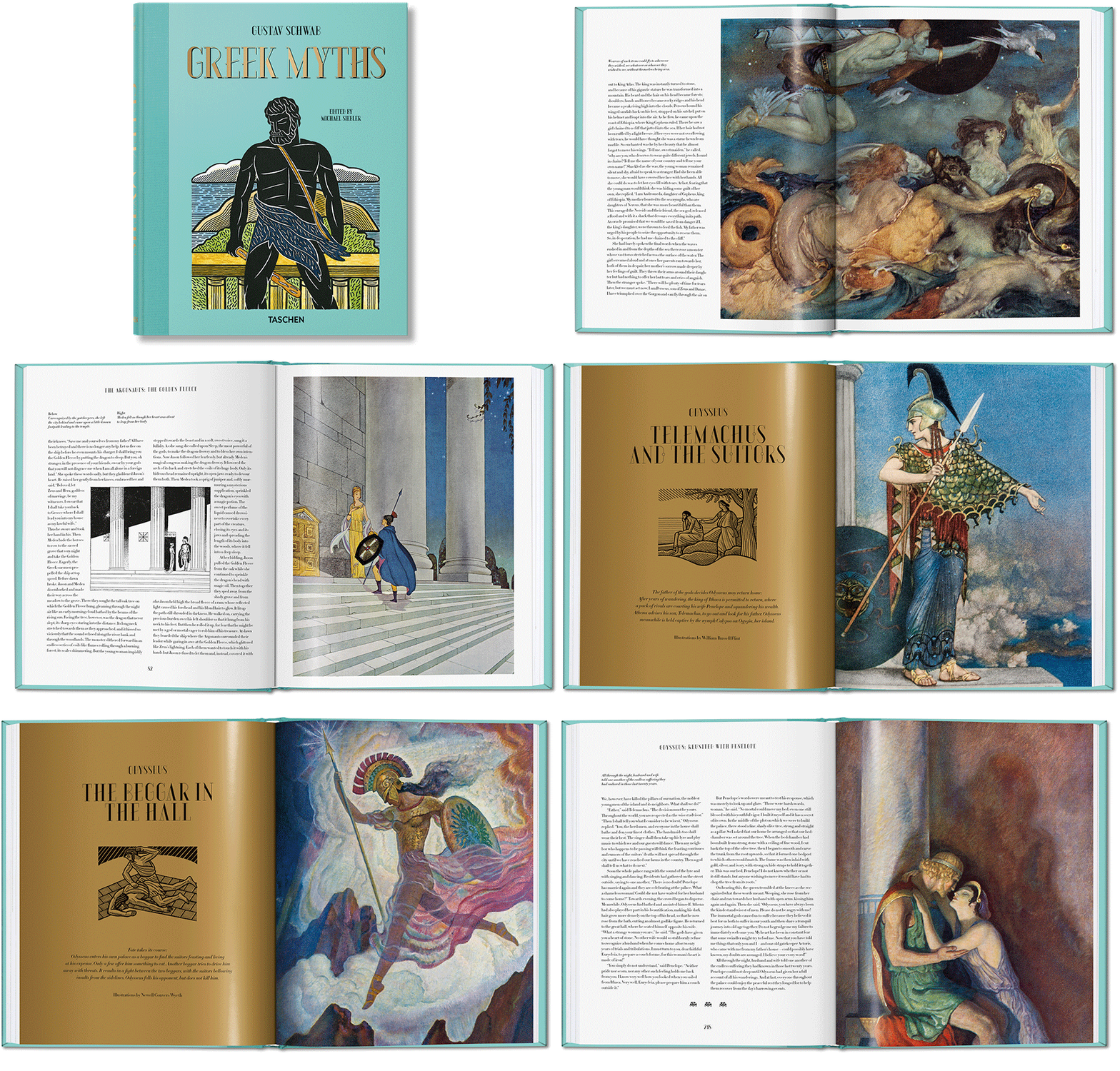
This collection of 47 tales from Gustav Schwab’s seminal anthology of Greek myths stages the illustrious exploits of Heracles, Jason, Odysseus, and a host of heroes.

TASCHEN

Through the masterful drawings of Clifford Harper and artworks from the leading figures of the Golden Age of Illustration, including Walter Crane, Arthur Rackham,  and  Virginia Frances Sterrett, the world of Greek mythology is reimagined into life.

The Greek myths are timeless classics, whose scenes and figures have captivated us since ancient times. The gods and heroes of these legends hold up a mirror to the human condition, embodying universal characteristics and truths – whether it be the courage of Perseus, the greed of Midas, the vaulting ambition of Icarus, the vengeance of Medea, or the hubris of Niobe. These traits are the basis for immortal dramas and rich narratives, as profound as they are entertaining, which form the bedrock of our culture and literature today and remain relevant and fascinating for all readers, young and old alike.

Gustav Schwab (1792–1850) was a German author, teacher, and professor. From 1828, Schwab worked at Johann Friedrich Cotta’s eponymous publishing house in Stuttgart, where he was a patron and mentor of young authors. After issuing a collection of his own poetry, he composed the seminal Sagen des klassischen Altertums (Gods and Heroes: Myths and Epics of Ancient Greece, 1838–1840), an indispensable standard work of Greek mythology that has popularized its tales in Germany and across the globe.

Views: Jasper Johns & Paul Cézanne – Unfinished Art

What was Jasper Johns’s reaction to seeing Paul Cézanne’s The Large Bathers? Curator Carlos Basualdo recalls standing in front of the painting and Johns’s fascination with the finished and unfinished aspects of the artwork.

“Jasper Johns: Mind/Mirror” is on view through February 13. http://ow.ly/lZkg30s4V3s

History Of Art: Albrecht Dürer’s Lasting Influence

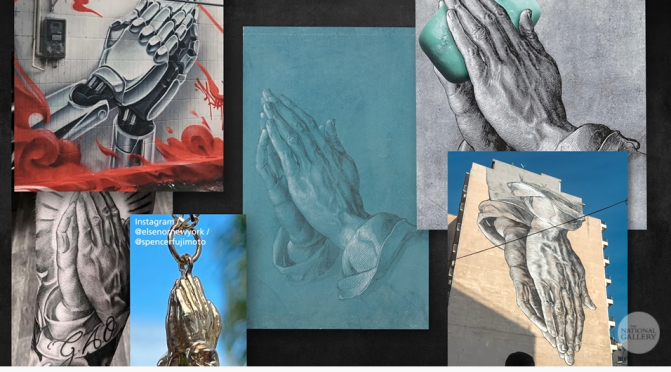
Even if you don’t know the name, chances are you’ve seen a reproduction of one of his prints. What is it about his work that has made it last? Through paintings, drawings, prints, and letters, our exhibition ‘Dürer’s Journeys: Travels of a Renaissance Artist’ brings to life this art history megastar and the people and places he visited.

Art History: ‘Rubens – Picturing Antiquity’

“I think it just shows very well how Rubens worked, how he got the inspiration from antiquity, but he transforms it into something completely new and very alive.”

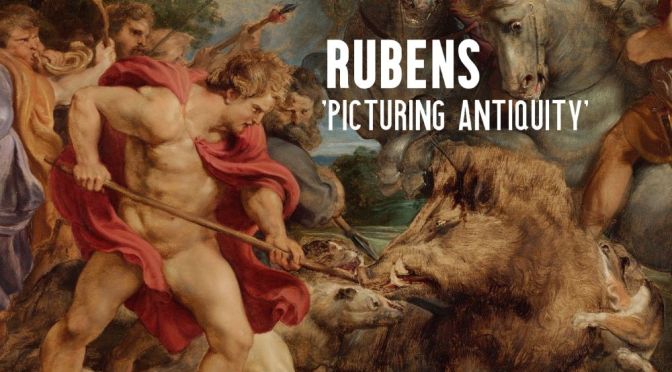
The Flemish Baroque painter Peter Paul Rubens is most famous for his dynamic, colorful renderings of religious scenes and mythological stories. Yet Rubens’s work was also deeply inspired by the art of the past. He was a keen student of classical antiquity, engaging with ancient sculptures, coins, gems, and cameos both at home and in his travels through Italy. His friendships with antiquarians, patrons, and scholars provided a network for vibrant intellectual exchanges that informed the artist’s work.

In this episode, Getty curators Anne T. Woollett, Davide Gasparotto, and Jeffrey Spier discuss their exhibition Rubens: Picturing Antiquity, which explores how Rubens was affected by and, in turn, transformed the classical past in his paintings, drawings, and designs. The exhibition, which received major support from Jo Carole and Ronald S. Lauder and generous support from the Leonetti/O’Connell Family Foundation, is on view at the Getty Villa through January 24, 2022.

For images, transcripts, and more, visit https://blogs.getty.edu/iris/podcast-peter-paul-rubens-and-the-arts-of-antiquity