From the Art Institute of Chicago website:
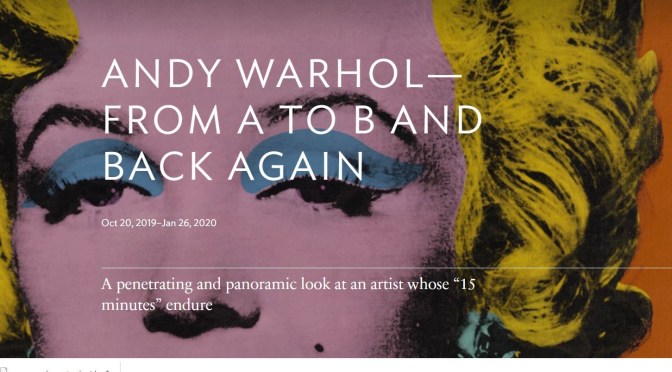
 Warhol, with obvious self-deprecation, described his philosophy as spanning from A to B. As this exhibition decidedly proves, his thinking and artistic production ranged well beyond that, but his true genius lies in his ability to identify cultural patterns and to use repetition, distortion, and recycled images in a way that challenges our faith in images and questions the meaning of our cultural icons.
This major retrospective—the first to be organized by a US institution in 30 years—builds on the wealth of new research, scholarship, and perspectives that has emerged since Andy Warhol’s early death at age 58 in 1987. More than 400 works offer a new view of the beloved and iconic American Pop artist, not only illuminating the breadth, depth, and interconnectedness of Warhol’s production across the entirety of his career but also highlighting the ways that he anticipated the issues, effects, and pace of our current digital age.
To read more: https://www.artic.edu/exhibitions/2937/andy-warhol-from-a-to-b-and-back-again?utm_medium=email&utm_source=warhol&utm_campaign=nonmember&utm_content=warhol-opening-non-mem-10-20-19

 In this two-part series, six US museum directors discuss the pandemic and its repercussions for their institutions. These candid, insightful conversations address wide-ranging topics, from the logistical challenges of when to close and how to reopen to philosophical exchanges about the role of museums in society.

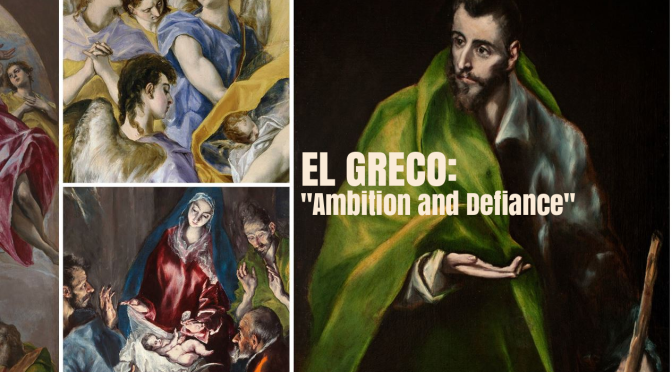
 Explore the exhibition “El Greco: Ambition and Defiance” with curator Rebecca Long and research associate Jena Carvana. Follow along as they lead you through the galleries and share some of the reasons El Greco and his work continue to fascinate us.
 Born in Crete as Domenikos Theotokopoulos (1541–1614), El Greco trained in the traditional manner of Byzantine icon painting. He moved to Venice in 1567 to learn a new artistic approach, absorbing developments in Venetian Renaissance painting through the lens of artists such as Titian and Tintoretto. The works El Greco painted during his time in Venice, however, reveal both his embrace of and struggles to fully adapt to this manner of painting.
 Following this transformative period, El Greco went to Rome, probably in an attempt to attract patronage within the papal circle. There his acceptance into the elevated circle of Cardinal Alessandro Farnese brought a close association with the painter Giulio Clovio and the erudite historian and collector Fulvio Orsini. El Greco’s portraits, allegories, and religious paintings between 1570 and 1577 reflect these relationships as well as his complicated engagement with Michelangelo and other artistic luminaries of the 16th century.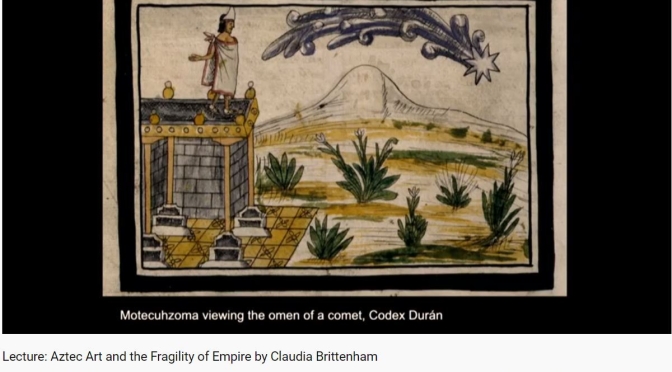
 Boomers Daily