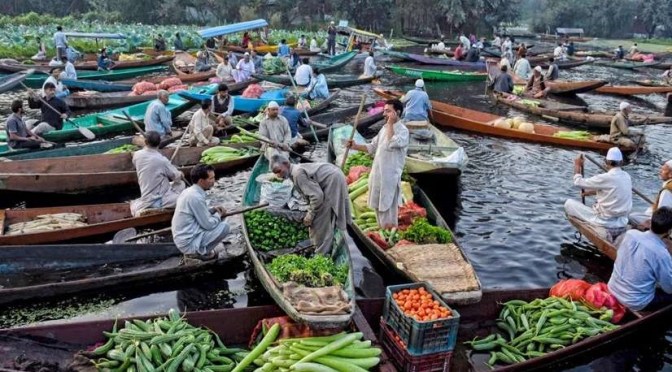
Insider Business (April 21, 2023) – For generations, farmers in Indian-administered Jammu and Kashmir have been selling their crops on the Dal Lake in a floating market. The lake is an economic hub for people living there – with many working in agriculture, fishing, and tourism. But decades of pollution have threatened their livelihoods.
The floating vegetable market on Dal Lake is in Srinagar, Kashmir, where locals trade out of their canoes. The produce sold here is grown in floating gardens.. The rich ecosystem of this wetland produces plenty of tomatoes, cucumbers, water chestnuts and the famous nadru (lotus roots, a delicacy in the Kashmir Valley).
They gather in the centre of the lake at dawn, and disappear just as sunlight hits the waters.
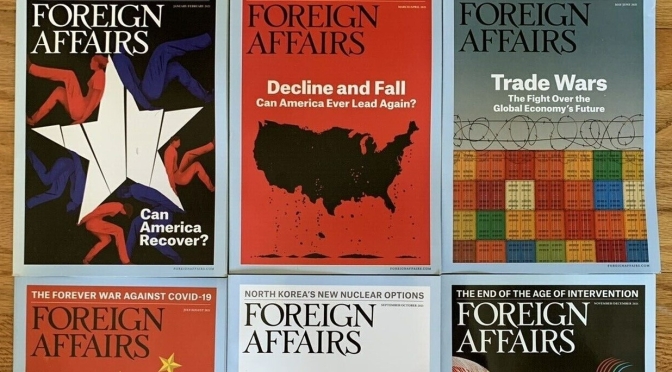
As countries in the global South refuse to take a side in the war in Ukraine, many in the West are struggling to understand why. Some speculate that these countries have opted for neutrality out of economic interest. Others see ideological alignments with Moscow and Beijing behind their unwillingness to take a stand—or even a lack of morals. But the behavior of large developing countries can be explained by something much simpler: the desire to avoid being trampled in a brawl among China, Russia, and the United States.
For China, Russia, and the West, the last year has been one of fear and conflict. Russia’s invasion of Ukraine has killed tens of thousands, perhaps even hundreds of thousands, of people. It has prompted the United States and Europe to rearm and has pushed Moscow and Washington back into Cold War–style competition.
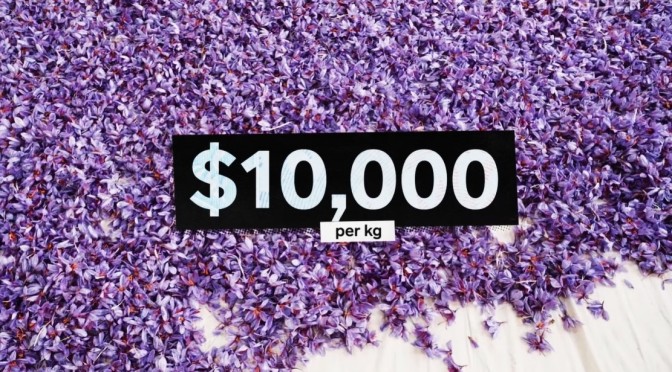
Insider Business (April 4, 2023) – Purple flowers in Kashmir produce the world’s most expensive spice — saffron. While it can sell for $10,000 per kilogram, climate change is making it even more expensive. Because of lower-than-usual rainfall over the last few years, production has dropped significantly.
And fields that once yielded this delicate spice have become sites for new housing construction. Climate change is threatening the production of all kinds of foods from cloves in India to eels in Japan and Spain. Here are 10 expensive, and vulnerable, foods and why climate change is making them so much more expensive.
CNBC (April 3, 2023) – The collapse of Silicon Valley Bank, Signature Bank and Credit Suisse were a harsh reminder of how quickly a trusted institution could fail, putting billions of dollars at risk.
Over 550 banks have collapsed since 2001, according to the FDIC. So what exactly causes a bank to fail? And what implications does it have on the U.S. economy?
CNBC (April 2, 2023) – An apartment building boom is unfolding in cities across the U.S. Many of the new units come with “luxury” amenities, like pools and fast-access to transportation. Experts say the uptick in supply is welcome news, but won’t ease rent inflation anytime soon.
As a result, many cities remain stuck in a price-elevating housing shortage. Washington lawmakers are now scrutinizing regulations that slow the pace of homebuilding, in an attempt to slow rent inflation.
The Telegraph (March 29, 2023) – Following Russia’s invasion of Ukraine, Poland has been investing billions in new tanks, weaponry, cyber operations and manpower. By 2035 Poland hopes to double the size of its armed forces to 300,000 troops.
There is even talk of the country becoming a major military power in Europe. Watch The Telegraph’s Steven Edginton interview key members of the Polish military and politicians to understand why they are rearming. He also asked young Poles whether they are prepared to die for their country.
For Poland, investing in the military is no longer a luxury but a necessity. With conflict at their border (don’t forget that two Poles have already been casualties of this war, killed by a stray Ukrainian missile) Poland can no longer rely only on the United States and its Nato allies for protection.
Warsaw plans to increase military spending to 5% of its GDP, outspending its fellow European capitals relatively by a wide margin. Poland’s military expansion must be thought of within the context of the nation’s history. You don’t have to be a pensioner to remember a time when Poland was suffering under Communist rule.
Monuments to the Soviet oppressors litter cities like Warsaw, where one can wonder at Stalin’s “gift” to the Poles, the grand Palace of Culture, and despite the government’s best efforts to tear them down many statues still stand commemorating the Red Army as “liberators”.
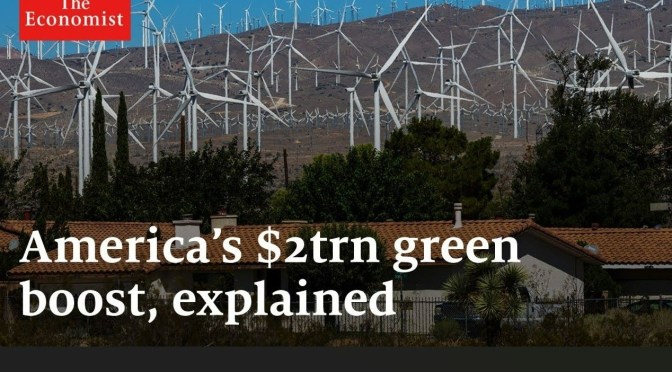
The Economist (March 2, 2023) – America is spending trillions of dollars in an effort to make the country stronger, greener and richer. These are the three key things you need to know about the plan and its chances of success.
Video timeline:00:00 – A new green America 00:30 – Democrats are being ambitious 01:14 – Manufacturing will move to America 01:53 – Planning could be a stumbling block
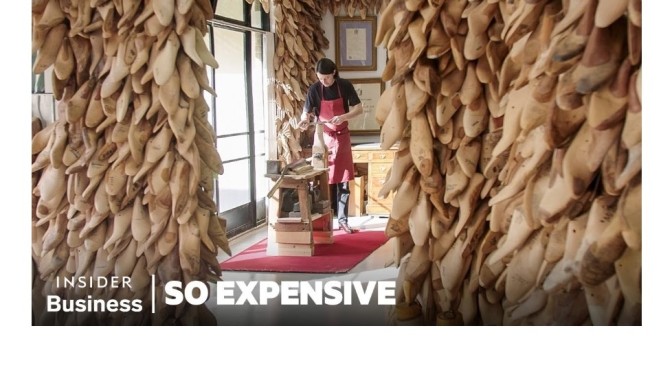
Insider Business (February 4, 2023) – Handmade bespoke dress shoes take months to make. Shoemakers transform rough measurements of a customer’s feet into a one-of-a-kind shoe. One pair can cost over £5,000.
London has been a hub for shoemaking for centuries, and while the industry has shrunk over time, an increase in demand from Japan and the US has helped to reignite interest in this craft. So, why would someone buy bespoke dress shoes? And what makes them so expensive?
The Economist ‘Editor’s Picks’ (January 23, 2023) – A selection of three essential articles read aloud from the latest issue of The Economist. This week, Disney’s second century, Turkey’s looming dictatorship (10:25) and how young people spend their money (17:35).














 Boomers Daily