
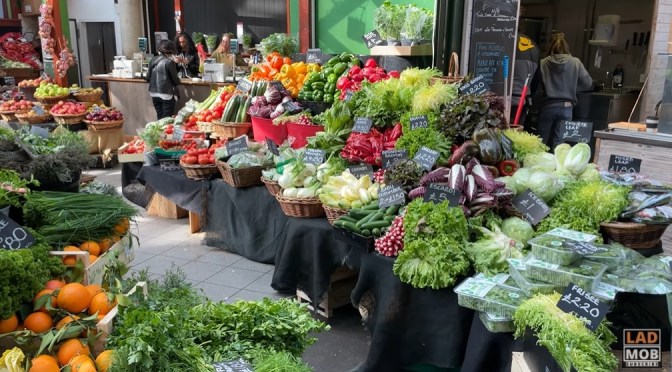
Borough Market is a wholesale and retail market hall in Southwark, London, England. It is one of the largest and oldest food markets in London, with a market on the site dating back to at least the 12th century.

Tudor Architecture: A History Of 16th Century English Great Houses
Country Life’s architecture editor John Goodall looks at the architecture of the Tudor home.
In April 1521, Edward Stafford, 3rd Duke of Buckingham, was urgently summoned from his seat at Thornbury, Gloucestershire, to appear before Henry VIII. The Duke could reasonably claim by birth to be the outstanding nobleman of his generation, boasting descent from Edward III and—arguably—possessed of a better claim to the throne than the Tudors.
He played the role of a great nobleman with proud perfection, both at home and in such public events as Henry VIII’s meeting with Francis I of France on the Field of Cloth of Gold, where he jousted and appeared in costume of fabulous expense. His birth and magnificence, however, also made him vulnerable to Court intrigue.
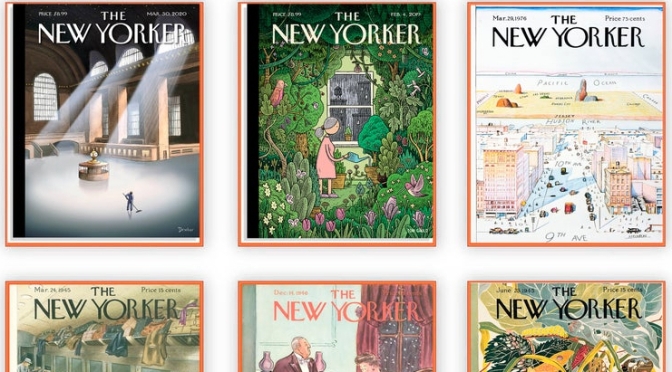
Previews: The New Yorker Magazine – April 4, 2022
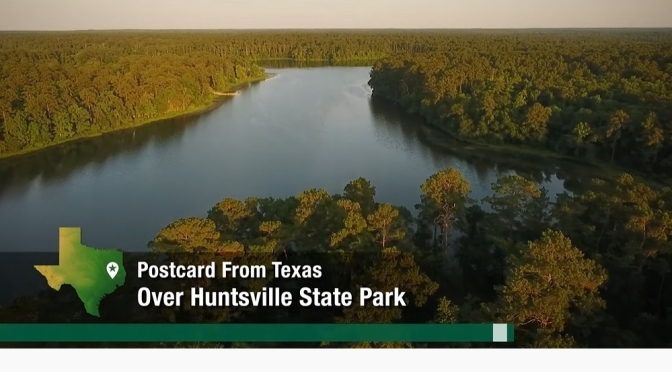
Aerial Views: Huntsville State Park In East Texas
Take a flight over the woods and waters of Huntsville State Park.
In the early 1930s, local residents decided they needed a park. They chose this site because the creek could be dammed to make a lake. Walker County voters approved the sale of $20,000 in bonds to buy the land, and then donated it to the State Parks Board.
Construction began in 1937. A Civilian Conservation Corps company made up of African-American veterans built the park. The men constructed the dam, the group recreation hall and the boat house. Other projects included a frame pump house, stone culverts and stone road curbing.
Find out more about this park at: https://tpwd.texas.gov/state-parks/hu…

Morning News: Ukraine’s Borders, Regime Change In Russia, Social Media
Ukraine insists on territorial integrity as talks loom, President Biden says he is not calling for regime change in Russia, and single dad receives kidney donation from total stranger who replied on social media.

Front Page View: The Wall Street Journal – March 28
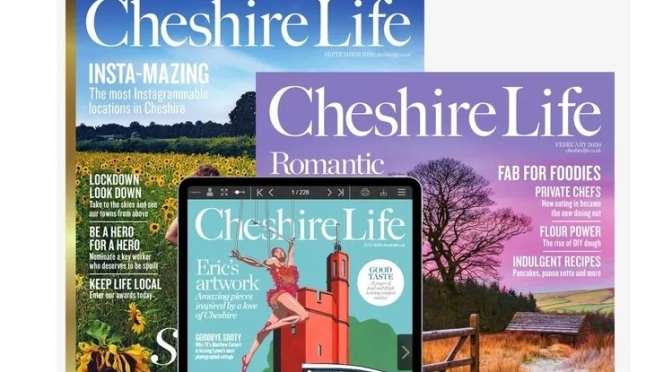
Previews: Cheshire Life Magazine – April 2022

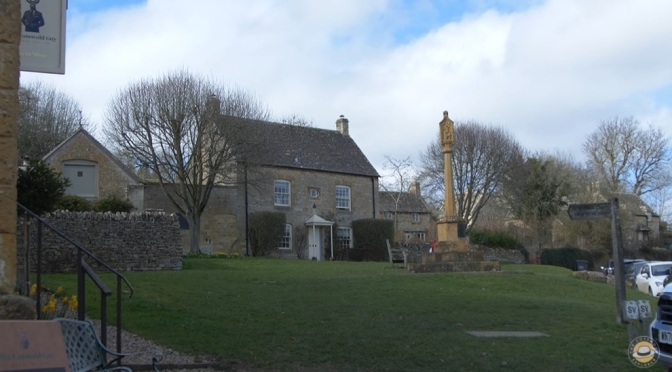
Exploring The Cotswolds: History Of Guiting Power
Guiting Power is one of the more famous hidden gems in the Cotswolds, nestling quietly in the English countryside.
The typical Cotswolds village of Guiting Power lies on a tributory of the river Windrush, its russet-coloured houses clustered round a sloping green. The buildings are restored by a self-help housing trust, initially set up for twelve cottages in 1934.
This delightful village is a fascinating example of the unconscious harmony created by Cotswold masons over the centuries. The cottages, shops and inns are all beautifully cared for. The Farmers Arms in the village and the Hollow Bottom Inn on the road leading to Winchcombe form welcome breaks on a number of glorious walks that can be taken in this area – north-westwards to Guiting Woods, south-eastwards down the Windrush Valley to Naunton, or south-westwards to Hawling.
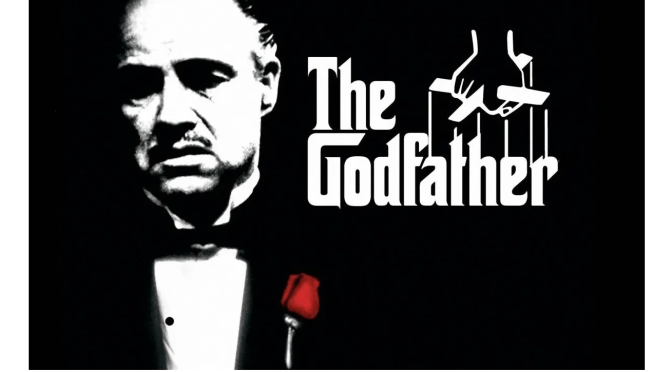
Cinema: Inside The Making Of “The Godfather” (1972)
When “The Godfather” opened in March 1972, director Francis Ford Coppola’s drama about a mob family forever changed how we look at gangster films. Correspondent Tracy Smith talks with Coppola, and with stars Robert Duvall, James Caan and Talia Shire, about the making of a classic that, 50 years later, movie lovers still cannot refuse.
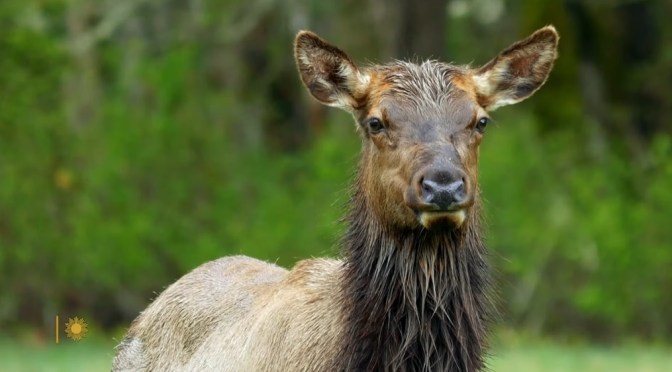
North Carolina Views: Elk In Great Smoky Mountains
“Sunday Morning” takes us among the elk and turkeys at the Great Smoky Mountains National Park in North Carolina. Videographer: Scot Miller.
Elk are the second-heftiest members of the deer family, after the bigger and darker-haired moose. While there’s really no mixing up those two giant deer, the names are definitely a cause for confusion from an international perspective. In Europe, what North Americans call moose are known as “elk.” The word “moose” is an indigenous North American (likely Algonquin) word, and in New England, early European colonists distinguished between the “black moose”—the moose as we know it today—and the “grey moose,” or elk.
 Boomers Daily