Directors/Producers/Shooters: Harun Mehmedinovic & Gavin Heffernan
Editor: Harun Mehmedinovic
Music: Richard Lacy & Jeff Dale

Scattered across the United States, from the Southwest, all the way to Hawai’i, ancient astronomy petroglyphs and archaeoastronomy structures sit weathering in the landscape. Carved and built by diverse group of tribes, from Native Hawaiians, to the Paiutes of Bishop, California, and the Ancestral Puebloans of the Southwest, these petroglyphs and structures reflect the long standing interest in Ancient Astronomy which grew stronger as many of the tribes went from the Hunter Gatherer to the Agrarian societal orders. From references to the Sun carved in the rock, and interest in using the Sun to predict seasons (entire buildings built to essentially serve as sundials and calendars, a critical element in the farming communities) to those of 13 moons (lunar annual calendar), to carvings of stars and constellations, interest in celestial bodies is ever present across the indigenous communities of the United States.
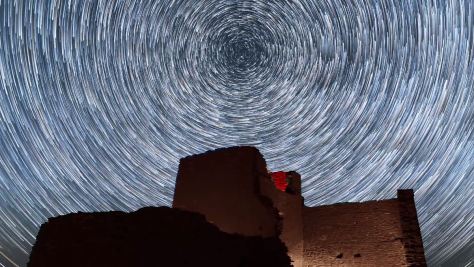
This video journeys to National Park Service sites from California, Arizona, Colorado, and New Mexico, many of whom give us a glimpse of how the night sky may have appeared to the ancient inhabitants of those lands. Many of these places were named International Dark-Sky Parks by the International Dark-Sky Association, partly due to their remote locations, and partly due to the hard work by the National Park Service to preserve the quality of the night skies through lighting retrofits and educational programs about the night sky heritage and astronomy.
The video also features 2018’s epic Lunar Eclipse, a.k.a. “Blood Moon,” seen at 1:03.

This video was filmed as part of SKYGLOW (skyglowproject.com), an ongoing crowdfunded quest to explore the effects and dangers of urban light pollution in contrast with some of the most incredible dark sky areas in North America. This project is being produced in collaboration with International Dark-Sky Association (darksky.org), a non-profit fighting for the preservation of night skies around the globe.
——-
Locations:
Wupatki National Monument, Arizona
Chaco Culture National Historical Park, New Mexico
Bandelier National Monument, New Mexico
Bishop, California

Website: http://www.bloodhoney.com/



 Optimized for an individual or a couple, this mid-century modern design delivers a functional layout in a sophisticated package. The mud room entry features a 7 ft.+ width wardrobe, a separate W/D utility closet and a nook with a bench and cubbies. Connecting this space to the rest of the interior is a gallery with recessed lighting and clerestory windows. From the gallery, ascend up the custom designed oak ladder into the sleeping loft enclosed with large windows. A compact, yet surprisingly luxurious bathroom features a vanity, wall-hung toilet and a full size, walk-in shower with recessed lighting and a window. Flooded with natural light, the main living area opens up to a large galley kitchen and a convertible U-sofa that transforms into a queen bed for the occasional guest. Living extends outside through the sliding patio door onto a large hardwood deck that can be raised and closed for transport.
 Giovannoni describes it as “immersive omnidirectional” sound with richer bass. “It feels like you’re inside the song,” says one wide-eyed subject in
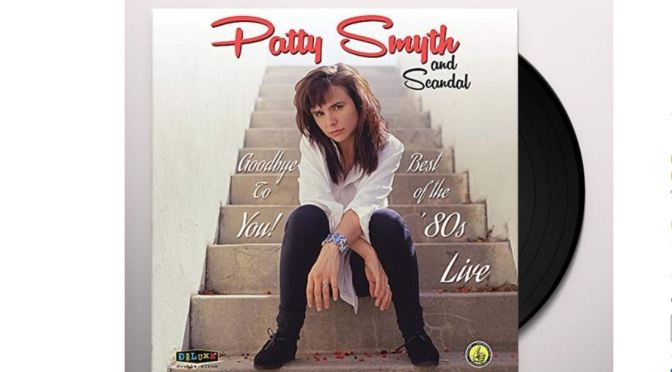
 Patty Smyth & her band Scandal
 I have always loved the ocean and also photography. I started taking pictures as a teenager and was very inspired by black and white masters like Ansel Adams and


 Running the course of a weekend, from Saturday 21st to Sunday 22nd September,
 The Huntington’s


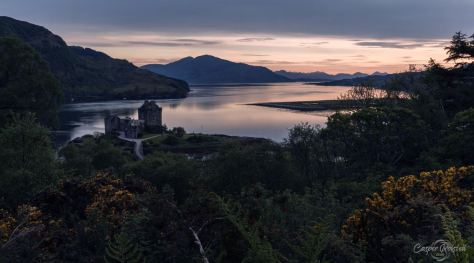
 Boomers Daily