
From a Wall Street Journal online article:
Patricia McNeal, a 58-year-old brain-aneurysm survivor from Panama City, Fla., is currently riding home from Seattle on her 2017 Trek Émonda SL 6 road bike. She’s improvising a route, but confessed she’d one day love to ride the Great American Rail Trail, a transcontinental route from Washington, D.C. to Washington state that’s now in piecemeal development.
A self-described “credit-card camper,” Ms. McNeal doesn’t rough it. She carries a single bag and sleeps at hotels and homestays arranged via warmshowers.org, a peer-to-peer cyclist’s site, as well as supporters who learn about her travels via the Black Girls Do Bike organization. Her necessities are padded shorts, a gel seat, chamois cream to help with chafing and some music.

Bicycle touring in America is shifting gears away from that old school derring-do on skinny tires, when cyclists scraped by 18-wheelers on highways. Instead, the sort of protected cycling paths common in urban centers are now stretching tendrils over abandoned railroad lines to link cities coast-to-coast. Meanwhile, riders are joining mass multiday fundraising rides for safety in numbers, or taking to America’s 1,357,430 miles of quieter unpaved roads. For that, they ride increasingly popular “gravel bikes,” a toughened road bike designed for speed on off-road with added mounts for gear.
To read more: https://www.wsj.com/articles/the-right-bicycles-for-an-epic-ride-across-america-11573235337

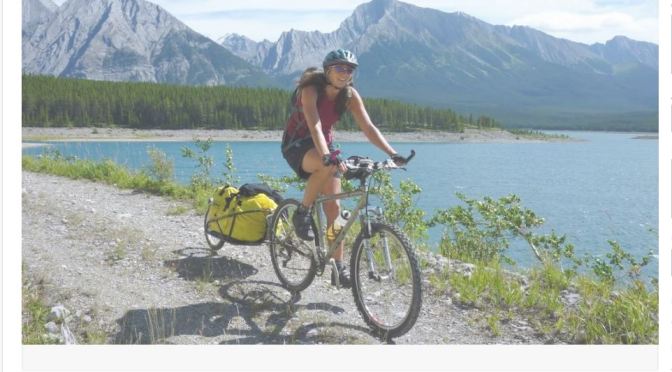
 While the drive from Calgary to Jasper can easily be done in a day, I recommend taking at least a week to travel there and back. That leaves plenty of time to find adventure off the main road, spend some nights in the backcountry, and explore each town along the route.
 Most historical accounts of slavery were written by colonists and planters. Researchers are now using the tools of archaeology to learn more about the
 “This study identifies a new molecular connection between exercise and inflammation that takes place in the bone marrow and highlights a previously unappreciated role of leptin in exercise-mediated cardiovascular protection,” said Michelle Olive, program officer at the National Heart, Lung, and Blood Institute Division of Cardiovascular Sciences. “This work adds a new piece to the puzzle of how sedentary lifestyles affect cardiovascular health and underscores the importance of following physical-activity guidelines.”
 This week our correspondent joined Emmanuel Macron on his visit to China. The French president is stretching his diplomatic wings, and has some striking views about Europe’s place in the world. The state of Texas has been reliably Republican for decades, but its demographics are changing; could it at last turn blue? And how Japan is dealing with its epidemic of public-transport groping.





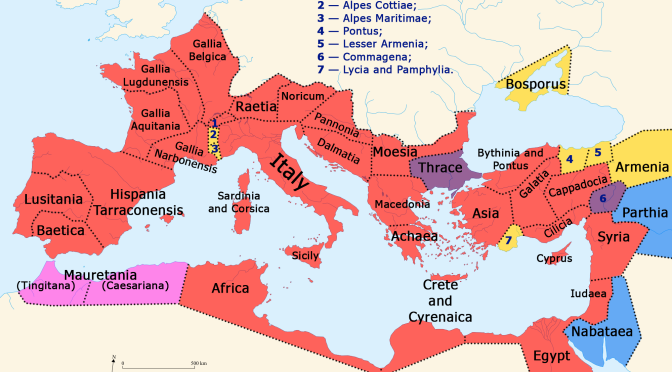
 There was a massive shift in Roman residents’ ancestry, the researchers found, but that ancestry came primarily from the Eastern Mediterranean and Near East, possibly because of denser populations there relative to the Roman Empire’s western reaches in Europe and Africa.
 Recent polls in early voting states show Pete Buttigieg’s popularity surging among Democratic voters. The mayor of South Bend, Indiana, is now in the top tier of candidates vying for the chance to challenge President Trump in the 2020 presidential election. But with that growing support comes rising scrutiny. Judy Woodruff talks to Buttigieg about health care, taxes and uniting a divided country.
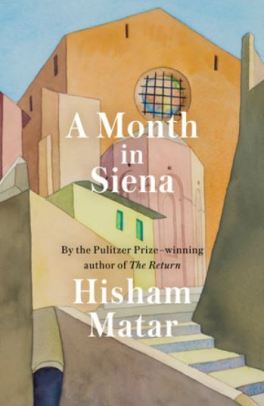 Including beautiful full-color reproductions of the artworks, A Month in Siena is about what occurred between Matar, those paintings, and the city. That month would be an extraordinary period in the writer’s life: an exploration of how art can console and disturb in equal measure, as well as an intimate encounter with a city and its inhabitants. This is a gorgeous meditation on how centuries-old art can illuminate our own inner landscape—current relationships, long-lasting love, grief, intimacy, and solitude—and shed further light on the present world around us.
 Boomers Daily