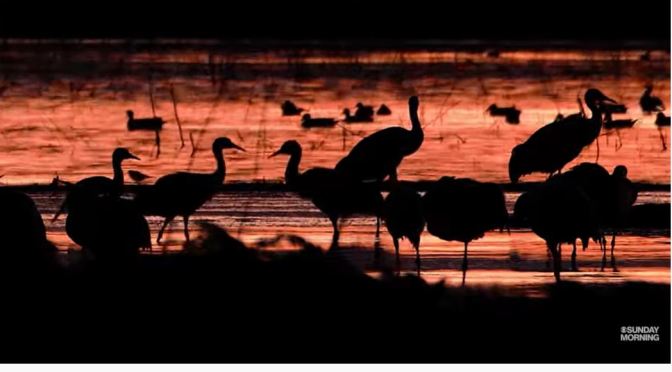
“Sunday Morning” visits sandhill cranes dancing at dusk at the Woodbridge Ecological Reserve near Lodi, California. Videographer: Lee McEachern.
The sandhill crane is a species of large crane of North America and extreme northeastern Siberia. The common name of this bird refers to habitat like that at the Platte River, on the edge of Nebraska’s Sandhills on the American Plains.
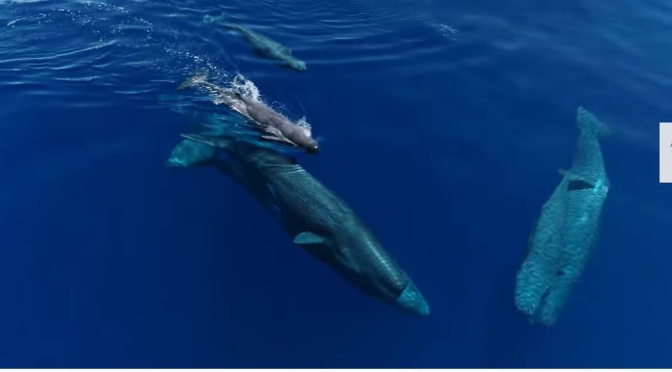
The sperm whale is the world’s largest toothed predator. It also has the biggest brain of any animal on earth.. This mind has helped them outwit their natural predators, but what happened when sperm whales came up against humans?
The sperm whale or cachalot is the largest of the toothed whales and the largest toothed predator. It is the only living member of the genus Physeter and one of three extant species in the sperm whale family, along with the pygmy sperm whale and dwarf sperm whale of the genus Kogia.
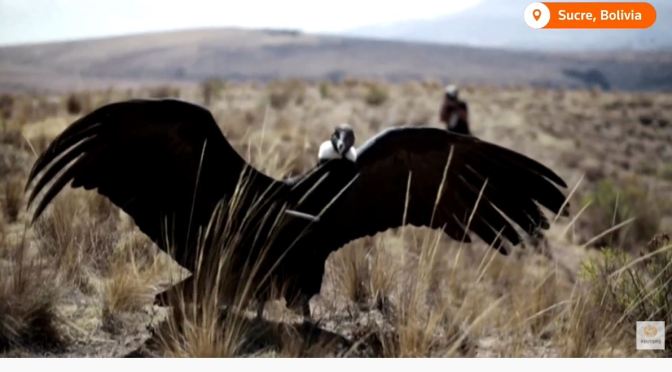
The Andean condor is a South American bird in the New World vulture family Cathartidae and is the only member of the genus Vultur. Found in the Andes mountains and adjacent Pacific coasts of western South America, the Andean condor is the largest flying bird in the world by combined measurement of weight and wingspan. Two Andean condors were released back to the wild in the mountains of Bolivia after they were nursed back to health.
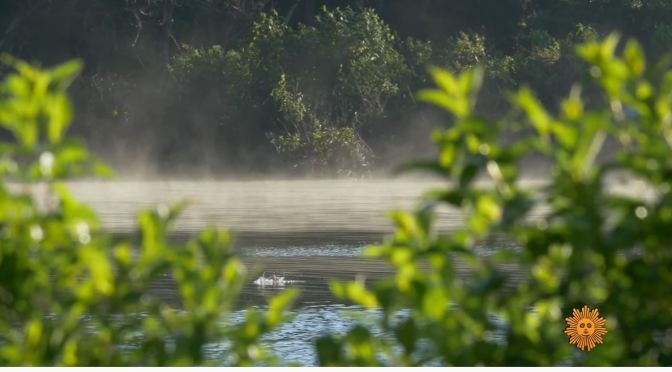
“Sunday Morning” takes us to Lake O’ The Pines in east Texas at sunrise. Videographer: Scot Miller.
Lake O’ the Pines is a reservoir on Big Cypress Bayou, also known as Big Cypress Creek, chiefly in Marion County, Texas, USA. The reservoir also occupies a small part of Upshur and Morris Counties. The dam is located approximately 8.5 miles west of Jefferson.
Nearly 30 percent of the 138,374 species assessed by the International Union for the Conservation of Nature (IUCN) for its survival watchlist are now at risk of vanishing in the wild forever, as the destructive impact of human activity on the natural world deepens.
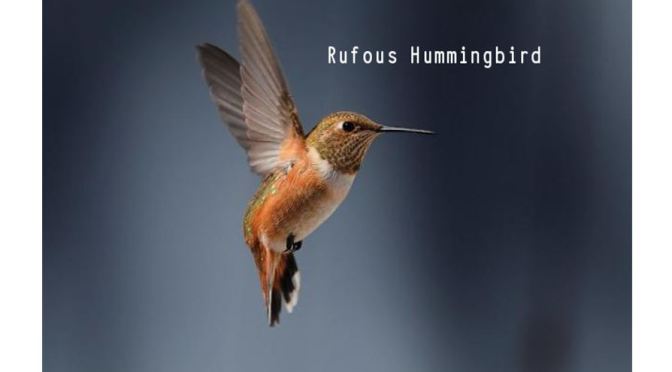
In the spring, Rufous Hummingbirds journey from Mexico to the northwest U.S., some as far north as Alaska! That’s almost 1000 miles one way for a bird measuring just under four inches beak to tail, making this the longest migration of any bird relative to body length. Not long after arriving, they bulk up on nectar and bugs for the scenic return trip over the Rocky Mountains.
The deep sea is rife with competition and conflict. Deep sea biodiversity relies on the scattered organisms interacting in order to survive, whether they’re working together in symbiosis, scavenging, being predated, or parasitising a host animal. But there is one ecological interaction that does more than any other to influence organisms to change and diversify, and thus plays an important role in the success of deep sea communities. The limited resources mean only a small number of niches can exist. Thus, there is greater competition between different species trying to fill the same niches. This explains why the deep sea has so much competition, for animals must share the ecosystem with other competing species all trying to consume the same limited resources.
Video timeline: 00:00 – An Introduction to Deep Sea Competition 01:31 – Chapter 1: A World of Quiet Conflict – The Reasons for Competition 02:22 – Chapter 1: A World of Quiet Conflict – The Trophic Levels 03:48 – Chapter 1: A World of Quiet Conflict – The Ecological Niches 05:21 – Chapter 2: Competition Between Species – Sea Floor Ecosystems 08:12 – Chapter 2: Competition Between Species – The Competitive Exclusion Principle 09:06 – Chapter 2: Competition Between Species – Resource Partitioning at Vents 11:48 – Chapter 3: Competition Within Species – Intraspecific Competition 12:63 – Chapter 3: Competition Within Species – Group Hunting Techniques 14:25 – Conclusion: The Importance of Ecological Competition







 Boomers Daily