
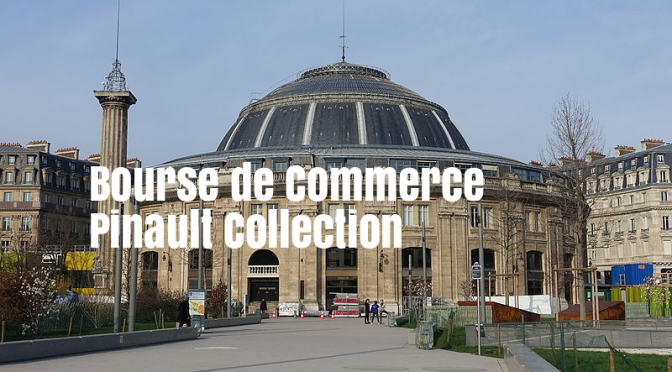
From an Art Forum online article:
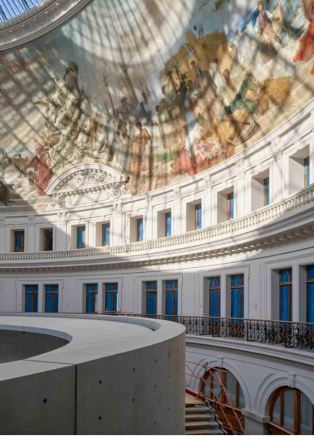 The plans for the venue were previously reported to encompass 9,850 square feet of exhibition space, a black-box theater, and an auditorium. Earlier this year, Pinault said he wants the museum to complement existing art institutions in Paris, and that he will collaborate with the Centre Pompidou on a program that will take place concurrently at both venues in 2020.
The French billionaire art collector François Pinault announced that his $170 million contemporary art museum in Paris is slated to open next June near the Louvre and the Centre Pompidou. The Bourse de Commerce—Pinault Collection will be housed in the city’s old stock exchange, in a building designed by the Pritzker Prize–winning architect Tadao Ando, and is to host ten exhibitions a year drawing from Pinault’s collection.
To read more: https://www.artforum.com/news/francois-pinault-to-open-contemporary-art-museum-in-paris-in-june-2020-81017
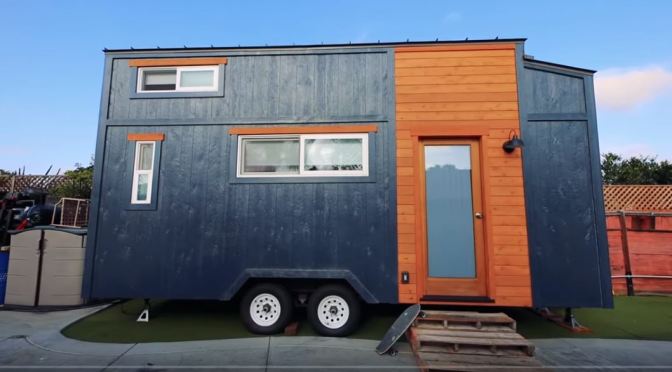
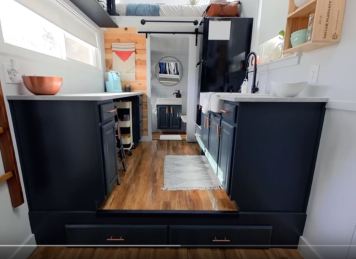 Amazingly, this high-end home was constructed for an unbelievable budget of only US$25,000, a testament to Saul’s perseverance with the DIY build and the couple’s clever sourcing of materials. That means this entire home was built for around the same amount of money that the couple would normally spend on one years rent living in San Diego.
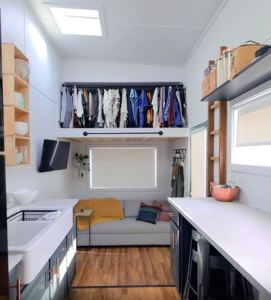 beautiful, modern tiny house, and best of all, they have pulled off the entire build for a budget equivalent to just a years worth of rent in San Diego. In this weeks episode, we explore this stunning tiny house and meet its builders.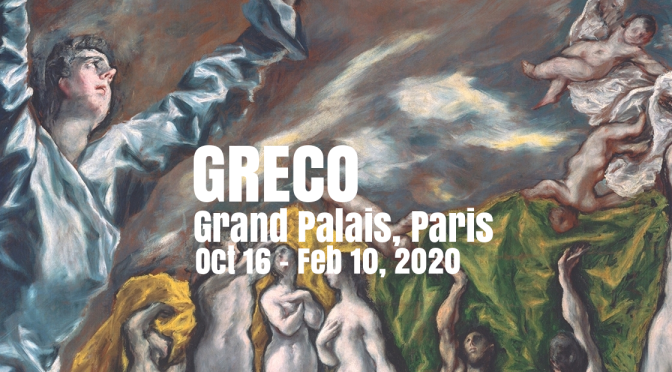
 Rediscovered in the late 19th century, celebrated by authors, acknowledged and embraced by the 20th century avant-garde, the artist has enjoyed the dual prestige of tradition and modernity, linking Titian to the Fauvists and Mannerism to Cubism, Expressionism, Vorticism and Abstraction up to the Action painting.
 Whereas most Wright biographies build from one structure to the next, this one caroms from one digression to the next. Mr. Hendrickson spins miniature biographies of the people who commissioned Wright to build their homes and office buildings. An array of midcentury figures appears: e.g., Glenway Wescott, the novelist and poet who rubbed shoulders with Gertrude Stein in Paris and whose sister commissioned one of Wright’s homes; and Clarence Darrow, the renowned lawyer, who waded into the murk of Wright’s personal life when a disgruntled housekeeper attempted to use the Mann Act to have Wright arrested. We also meet the little-known residents of various structures. Seth Peterson, for instance, dreamed of living in a Wright home so powerfully that he camped out in the one he commissioned as it was being built.
 The tantalizing combination of brown butter and fried sage may have its origin in Italy, but it turns out to work just as well with pita as it does with pasta. At Miss Ada, a restaurant in Fort Greene, it gets spooned, nutty and fragrant, over a sweet but earthy carrot hummus, and again over a bowl of fluffy whipped ricotta. The pita—warm, puffy, chewy—goes perfectly, too, with a rich, stretchy stracciatella cheese, its milky surface marbled with little golden ponds of olive oil and topped with, depending on the season, heirloom tomatoes, basil, cucumbers, and red onion, or snap peas, blood orange, ground-cherries, and kumquat.

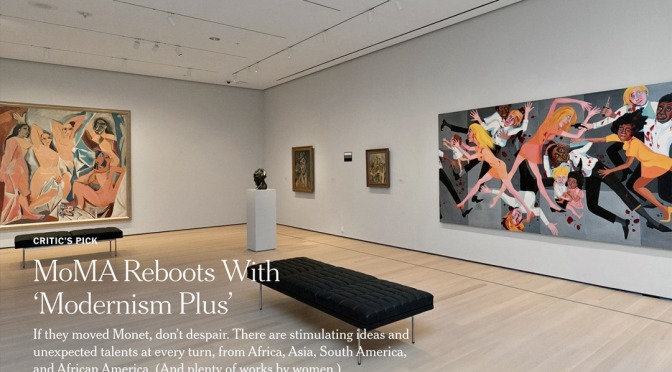
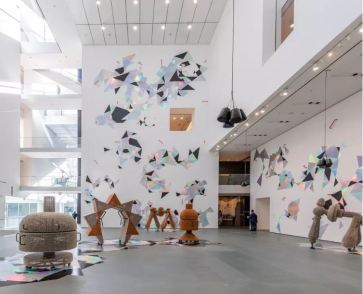 There’s also a special focus on architecture and design in this new approach to the collection: Several galleries are devoted to various aspects of those fields, including “The Vertical City,” an examination of skyscraper construction that includes photos by Berenice Abbott, Hugh Ferriss’s architectural drawings, and other ephemera. Elsewhere, building models of the Guggenheim and a spec design of MoMA by modernist master William Lescaze emphasize the importance of architecture to museums, and vice versa.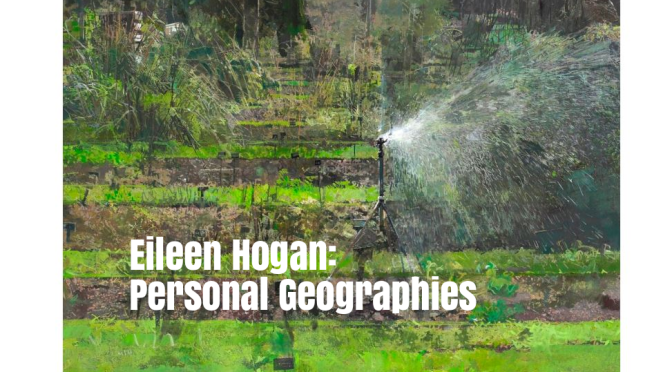
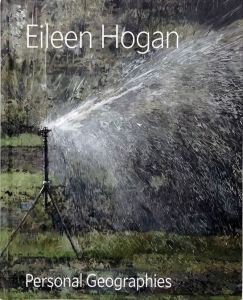
 I describe myself as an urban-based painter who is interested in green spaces. Painting and drawing have been seen as profoundly unfashionable for most of my working life, and I have felt sometimes that it was quite eccentric to be a figurative painter with conventional subject matter. Looking back, my insistence on maintaining my practice as a figurative painter now seems more radical than conventional.
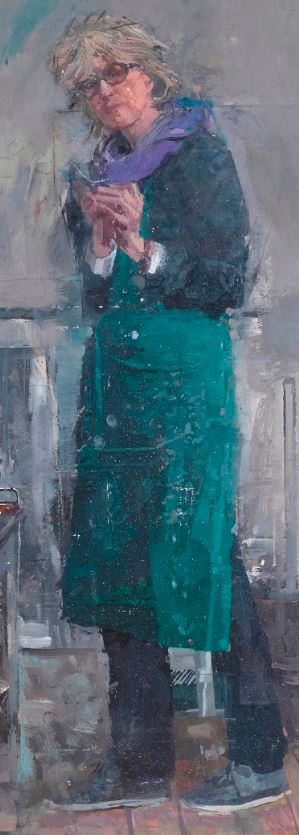
 I was very blessed to have the opportunity to catch up with Hogan ahead of her Mayfair exhibition. I find myself entranced by her vibrant paintings that are dense with detail, filling the canvas from edge to edge with layers upon layers of paint. She has also established portraiture practice, her commissions including HRH The Prince of Wales. In a unique style, Hogan paints her sitters whilst they are deep in conversation, capturing unguarded gestures and expressions to create intricate portraits of both honesty and intimacy.


 The creators of Noori based the product on the traditional rocket stove design, which burns small-diameter wood fuel in a combustion chamber linked to an insulated vertical chimney.
 Boomers Daily