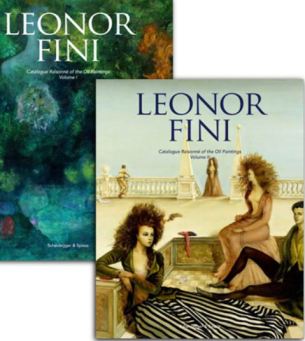
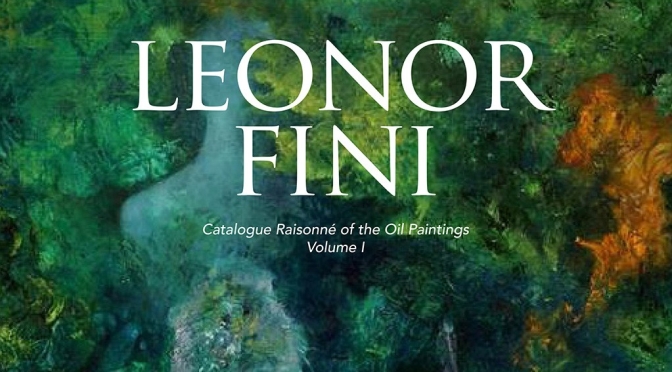
 Leonor Fini (1907–96) is one of the most important artists and personalities of the twentieth century. Her work came to prominence as part of the 1936 exhibition Fantastic Art, Dada and Surrealism at New York’s Museum of Modern Art, where her paintings were widely celebrated for their uniquely female approach to surrealism—although Fini never joined the surrealist movement.
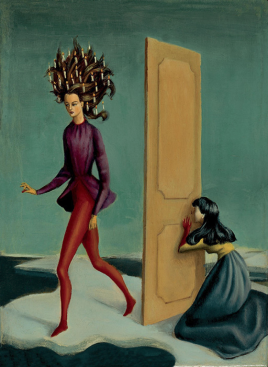 Self-made and self-taught, she preferred to work on her own and was known for her fierce independence and provocative panache. A prolific painter, Fini also wrote, worked extensively in book illustration and printmaking, and designed for plays, ballets, operas, and film.
Presenting the definitive catalogue raisonné of Leonor Fini’s more than 1,100 oil paintings, this book brings together more than one thousand color illustrations and essays on her work by Fini experts Richard Overstreet and Neil Zukerman and a concise, up-to-date biography by British art historian Peter Webb.
Richard Overstreet is an American artist and photographer. In 1998, he founded the Leonor Fini Archives in Paris.
Neil Zukerman is the owner of the CFM Gallery in New York. He is an expert of Leonor Fini’s work and author of several books about her.
Peter Webb is an art historian and has published extensively on art and artists of the 20th century. He formerly taught at the Coventry College of Art, the Hornsey College of Art and the Middlesex University in London.
Leonor Fini (1907- 1996) was an Argentinian surrealist painter, designer, illustrator, and author, known for her depictions of powerful women.
Read more


 Even limited hearing loss might be associated with cognitive decline. If true, early intervention with hearing aids might help people have better cognitive performance.
 The result is a home with four gabled boxes connected by glass hallways. The two double-story bookend boxes are the private living spaces for each client and the two center boxes house the shared common spaces with one box for the kitchen and dining area and the other for the shared living room.
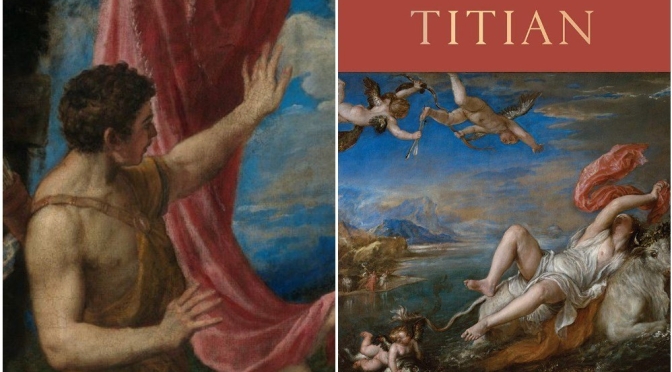
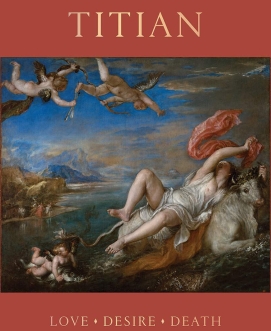 Titian (active 1506–1576) produced a masterful group of paintings for Philip II of Spain, celebrating the loves of gods, goddesses, and mortals. Depicting scenes from Ovid’s narrative poem Metamorphoses, Titian named them “poesie” and considered the works as visual equivalents of poetry.


 “Originally, we were going to make it a six-day trip,” said Mr. Goble, “but we were honestly having such a good time we extended it four times into an 11-day trip.” Normally, rental companies’ full calendars preclude such spontaneity. Thanks to the motorhome’s self-sustainable features, they stayed overnight at a campground just twice on the trip. Most of the time they’d “boondock”—that is, stop at places without water or electrical hookups, or nightly fees. Say, creekside clearings off fire roads deep in the forest.

 With questionable coronavirus content flooding airwaves and online channels, what’s being done to limit its impact?

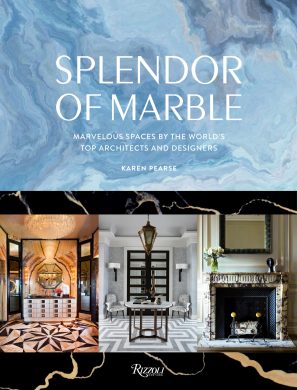 The first book to examine the many ways this beautiful stone can be incorporated into a home environment, describing the unique nature of marble and the leading role it plays in the best of interior design today.
 This is the first book that explores the many ways marble can bring color, pattern, and warmth to the home, as well as the vast array of beautiful types of marble that are available. It is a hugely popular material for home kitchens and bathrooms in particular, but it also is incorporated in outdoor patio spaces, hallways, and stairwells, even living rooms. All are featured here in gorgeous images, providing new inspiration for design lovers.
 Boomers Daily