IN A TIME OF PANTHERS: Early Photographs, by Jeffrey Henson Scales. (SPQR Editions, $49.95.) Scales, a photography editor at The Times, has dug up intimate images taken of Black Panther members and protests during the late 1960s to share a “time capsule” that has taken on new urgency for the author and for our country at large.
CAROLEE SCHNEEMANN: Body Politics, edited by Lotte Johnson and Chris Bayley. (Yale University, $50.) This collection gathers six decades of work from the late experimental artist, including paintings, multimedia installations and films, to shed new light on Schneemann’s ideas about the body, war and more.
IN THE BLACK FANTASTIC, by Ekow Eshun. (MIT, $39.95.) In this exciting, wide-ranging collection, Eshun presents speculative art and imagery from the African diaspora with a focus on folklore and Afrofuturism and explores works such as the paintings of Kara Walker and Chris Ofili and Jordan Peele’s “Get Out.”
FIELD OF PLAY: 60 Years of NFL Photography, by Steve Cassady and Michael Zagaris. (Abrams, $80.) Zagaris’s images — covering 42 Super Bowls, 49 seasons with the San Francisco 49ers and more — provide glimpses into moments of tension, pain and intensity over 60 years of N.F.L. history.
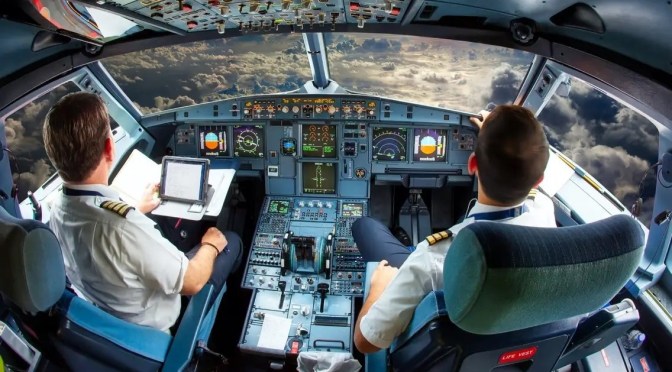
Training to become a commercial airline pilot is a pretty attractive career choice. Not only do you get to be in charge of some of the biggest flying machines in the world, you also get to travel the world, meet interesting people, and all while being paid potentially six-figure sums for your time. But entering this market is not always easy. The days of full scholarships for flight training are largely behind us, and most student pilots must self-fund the process.
For those who have the right skills and can afford it or are willing to take out a student loan, let’s see how much it costs to train as a pilot in 2022.
Phoenix, Arizona is coming up with innovative ways to beat the heat.
Phoenix, the capital of Arizona, is accustomed to a hot desert climate, but day and night temperatures have been rising due to global heating and the city’s unchecked development, which has created a sprawling urban heat island.
Scorching temperatures have made summers increasingly perilous for the city’s 1.4 million people, with mortality and morbidity rates creeping up over the past two decades, but 2020 was a gamechanger when heat related deaths jumped by about 60%.
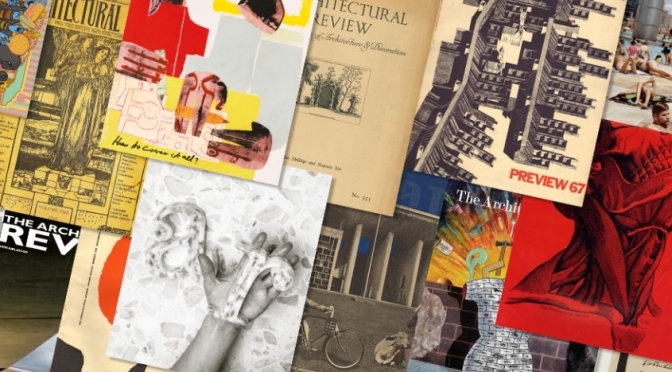
In the beginning, there was energy. Everything since then, has been an exercise in transforming energy from one state into another – food becomes labour, gas becomes electricity, fossil fuels become architecture.
In this month’s keynote essay, Barnabas Calder writes: ‘In the millennia before fossil fuels, the circular economy was the only economically viable way to operate’. Recognising that architecture is formed from the fuel we extract to create and sustain it could be a transformative way of thinking about our built environment.
This issue seeks to make visible the often obscured links between buildings and the energy sources they are built from, and around.
“I think most electric vehicles will have a solar roof in the future,” he told Dezeen. “It’s a topic that all big car manufacturers are working on.”
Integrated solar panels could help electric cars rival their fossil-fuel counterparts by making them less reliant on charging points and potentially free to run, says Lightyear‘s Emanuele Cornagliotti in this interview as part of our Solar Revolution series.
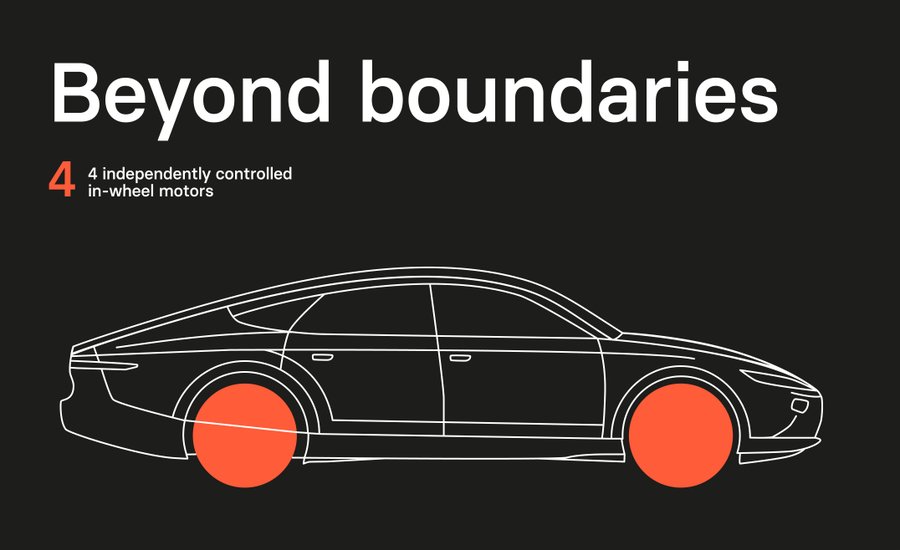
Lightyear 0’s in-wheel motor technology sets new industry standards and offers greater control on tricky terrains. Not only is our drivetrain in pole position for the highest efficiency, but it also reduces the number of rotating components, meaning much lower maintenance!
Nuclear projects are getting a boost of investment as countries try to tackle an energy crisis sparked by the Ukraine war, while also pursuing emissions targets. WSJ looks at how start-ups say their alternative designs can help solve past issues.
An artist and a sci-fi scholar share their esteem for novelist Octavia Butler, who extrapolated future worlds from troubled times.
HARD TRUTHS: MIC DROP by Chen & Lampert
Artist-curators Howie Chen and Andrew Lampert offer advice on karaoke and other forms of art world hobnobbing.
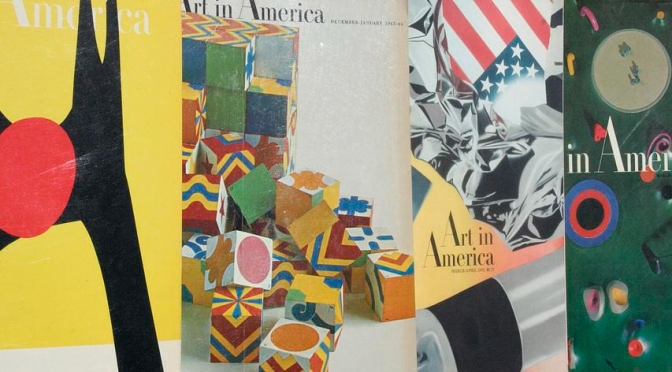
There have been very few issues of art magazines devoted to disability. There ought to be more. As Art in America associate editor Emily Watlington, who took the lead on this issue, writes in her essay “Our Work Is Working,” disabled artists have been crucial to progress in disability justice and the art world in general, whether through storytelling, empathy-building, or outright activism. These artists place disability where it belongs: at the heart of creativity itself.
News, Views and Reviews For The Intellectually Curious







 Boomers Daily