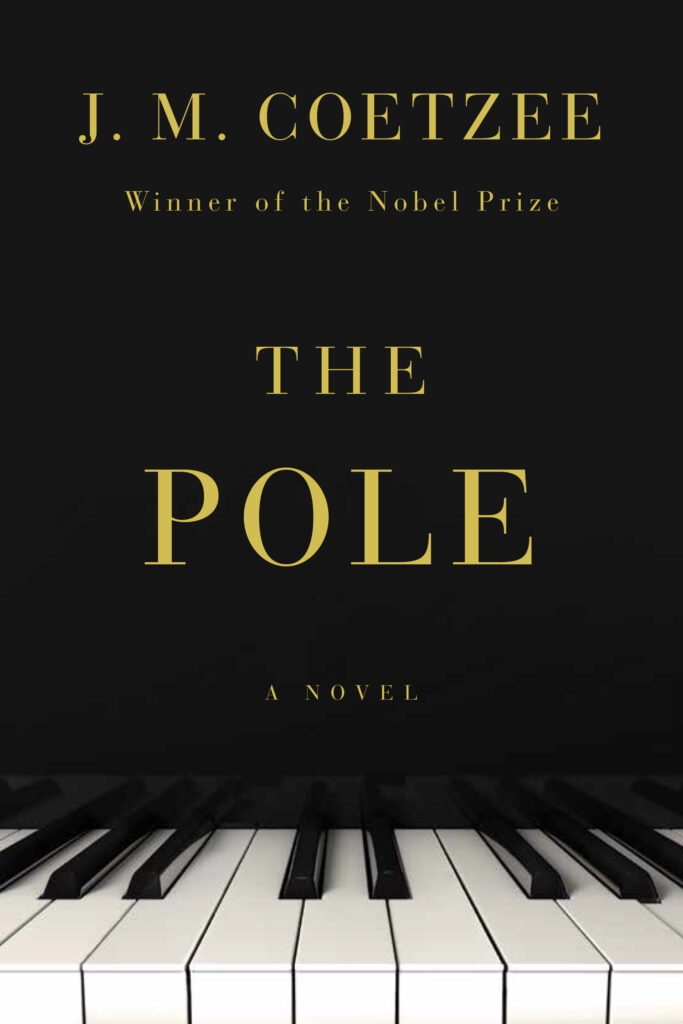
LitHub (March 28, 2023): Literary Hub is very pleased to reveal the cover for Nobel Prize winner J. M. Coetzee’s new novel The Pole, which will be published by Liveright this September. Here’s more about the book from the publisher:
Exacting yet maddeningly unpredictable, J. M. Coetzee’s The Pole tells the story of Wittold Walccyzkiecz, a vigorous, “extravagantly white-haired” Polish pianist who becomes infatuated with Beatriz, a stylish patron of the arts, after she helps organize his Barcelona concert. Although Beatriz, a married woman, is initially unimpressed by Wittold, she soon finds herself pursued and ineluctably swept into the world of the journeyman performer. As he sends her letters, extends countless invitations to travel, and even visits her husband’s summer home in Mallorca, their unlikely relationship blossoms, though, it seems, only on her terms. The power struggle between them intensifies—Is it Beatriz who limits their passion by controlling her emotions? Or is it Wittold, trying to force into life his dream of love?
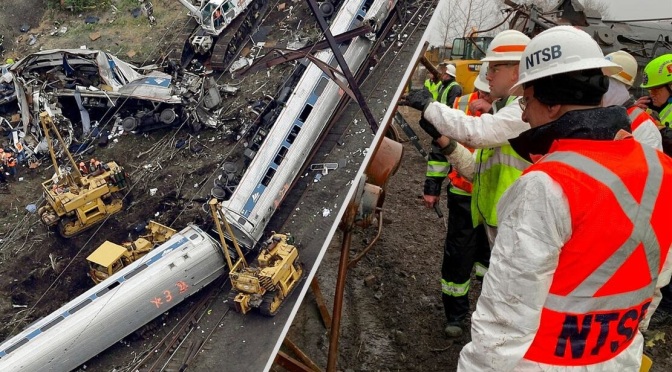
Wall Street Journal (March 28, 2023) – The train derailment in East Palestine, Ohio, was just one of over 1,000 that happen every year. NTSB’s Michael Hiller explains the most common reasons trains come off the tracks and what can be done to prevent derailments.
Video timeline: 0:00 Why do trains derail and how can they be prevented? 0:37 One of the biggest causes of derailments are track issues 3:04 Other derailments stem from human errors or equipment failures 5:01 Why most derailments are not severe and could be prevented
Love Novel by Ivana Sajko, translated by Mima Simić
Paradais by Fernanda Melchor, translated by Sophie Hughes
Marzahn, Mon Amour by Katja Oskamp, translated by Jo Heinrich
Em by Kim Thúy, translated by Sheila Fischman
The Dublin Literary Award is presented annually for a novel written or translated into English. Books are nominated for the award by invited public libraries in cities throughout the world, making the award unique in its coverage of international fiction.
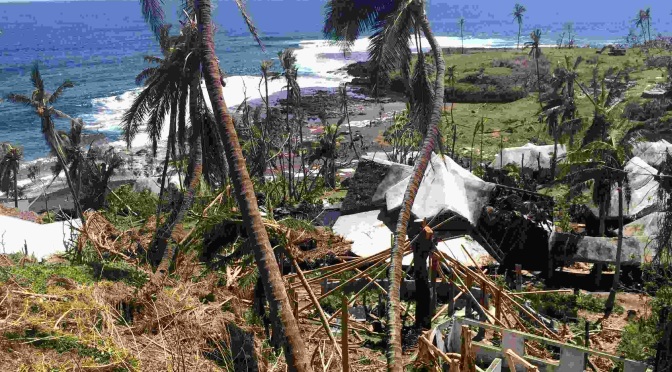
The Independent (March 28, 2023) – The tiny Pacific island state of Vanuatu was hit by two category-four cyclones and two earthquakes over three days this month, in a devastating onslaught that destroyed homes, cut power, and impacted 80 per cent of the population.
Scientists say global heating is already making major tropical cyclones like those that hit Vanuatu more frequent. Under moderate and worst-case climate scenarios, the country is expected to lose around 20-25 per cent of its GDP from natural disasters each year, according to a recent UN report. Later this month Vanuatu’s proposal for a top international court to clarify the obligations of states to tackle climate change and the consequences of not doing so under international law will be put to a vote at the United Nations.
Vanuatu is a South Pacific Ocean nation made up of roughly 80 islands that stretch 1,300 kilometers. The islands offer scuba diving at coral reefs, underwater caverns and wrecks such as the WWII-era troopship SS President Coolidge. Harborside Port Vila, the nation’s capital and economic center, is on the island of Efate. The city is home to the Vanuatu National Museum, which explores the nation’s Melanesian culture.
Left to right: Gerald Cassidy, Cui Bono?, about 1911. Collection of the New Mexico Museum of Art: Gift of Gerald Cassidy, 1915 (282.23P). Gerald Cassidy, Midday Sun, North Africa, 1920s.
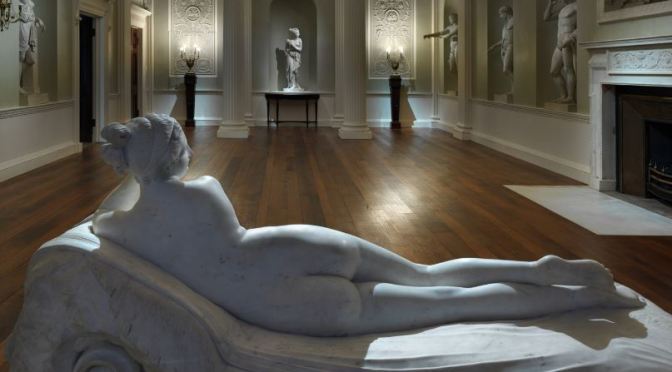
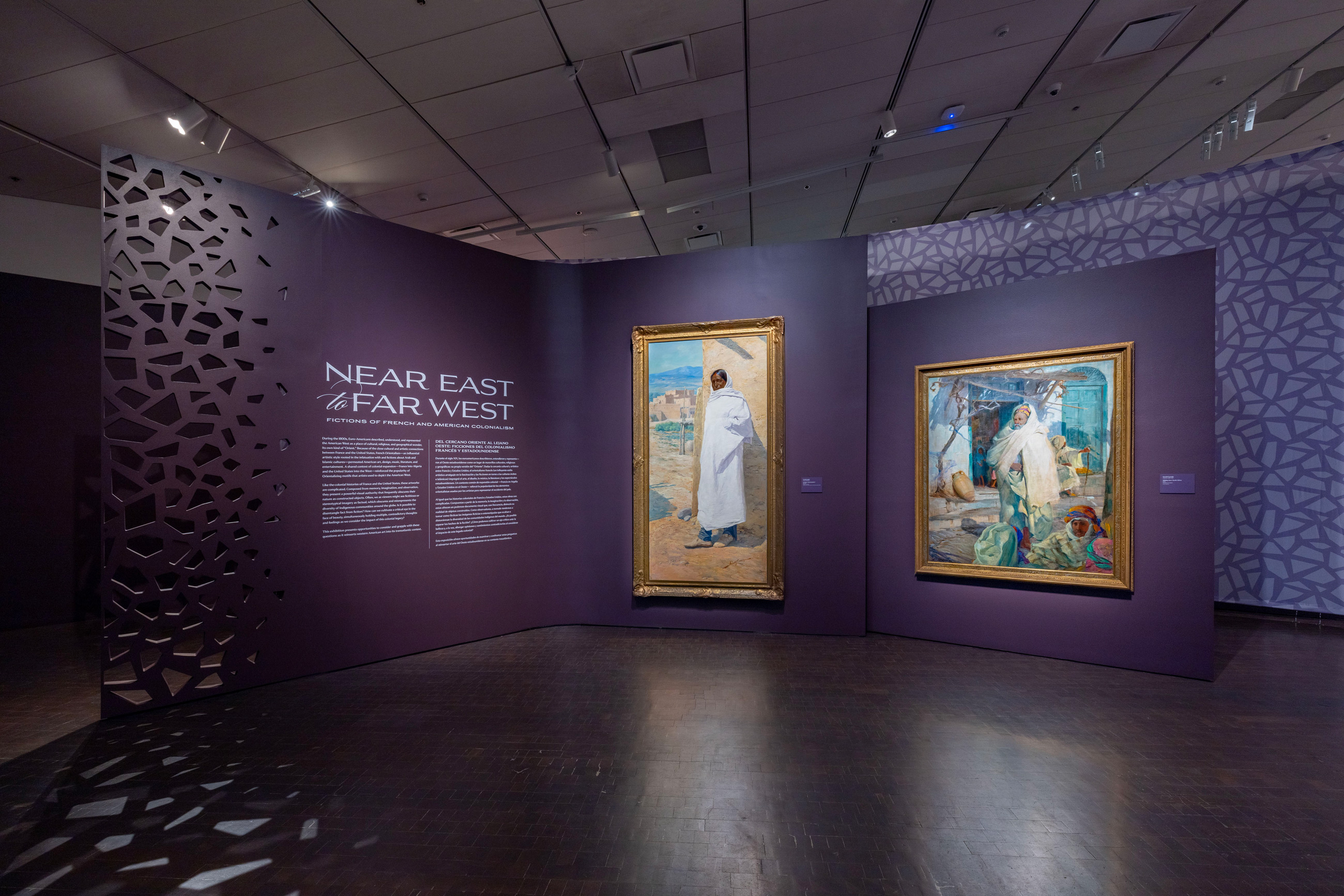
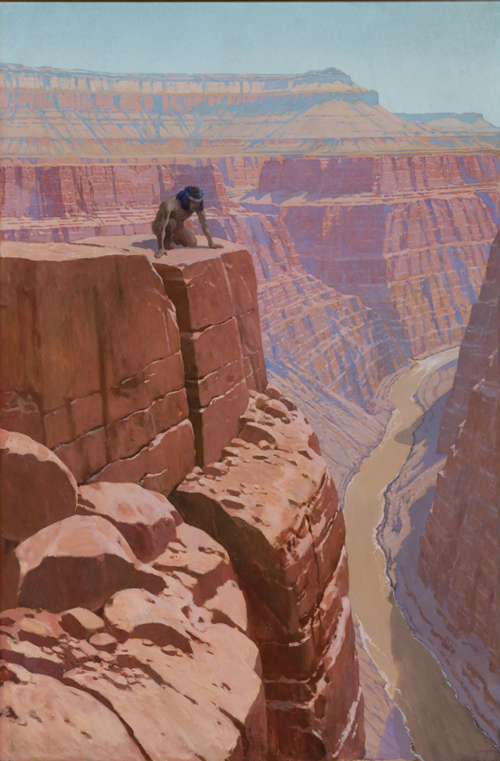
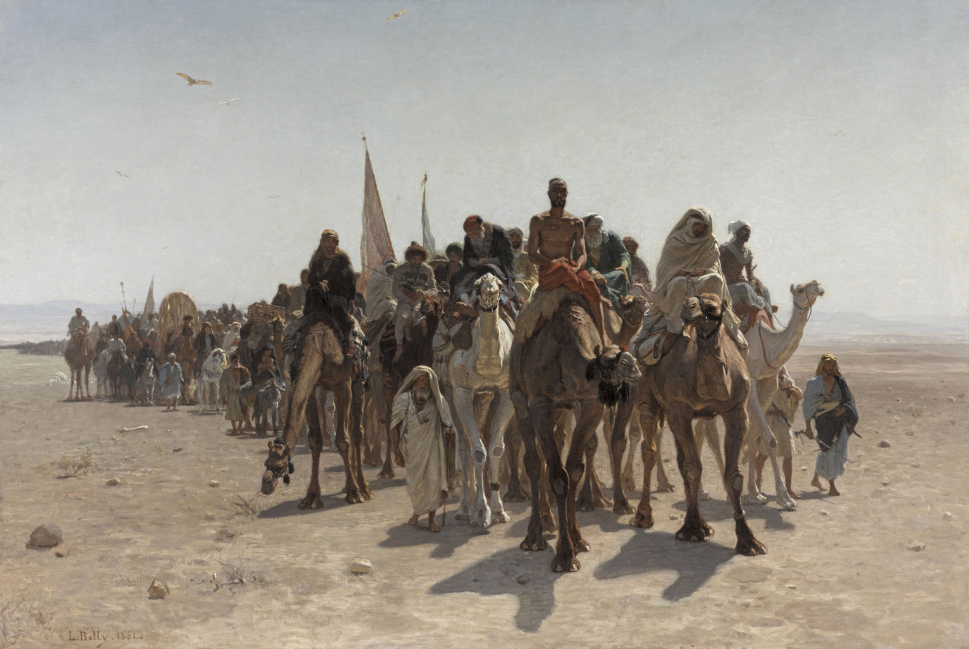
Denver Art Museum (March 27, 2023): Artworks in Near East to Far West: Fictions of French and American Colonialism(through May 29)present a range of representations from sympathetic to stereotyped. Indeed, racialized stereotypes such as the “Noble Savage” and odalisque (a woman in a female-only domestic space, or harem, who is often overly sexualized in European art) circulated throughout French Orientalism and western American art.
Acknowledging the ongoing harm of such representations, we knew that we needed to make space for diverse perspectives: essentially, to make room for the voices too often repressed or ignored in the artwork.
March 27, 2023: A selection of three essential articles read aloud from the latest issue of The Economist. This week, we explore the world according to XI. Also, we look at the excruciating trade-off central bankers face (09:56) and why editing Roald Dahl for sensitivity was silly (17:28).
Many Americans who advocate it have little interest in religion and an aversion to American culture as it currently exists. What really defines the movement?
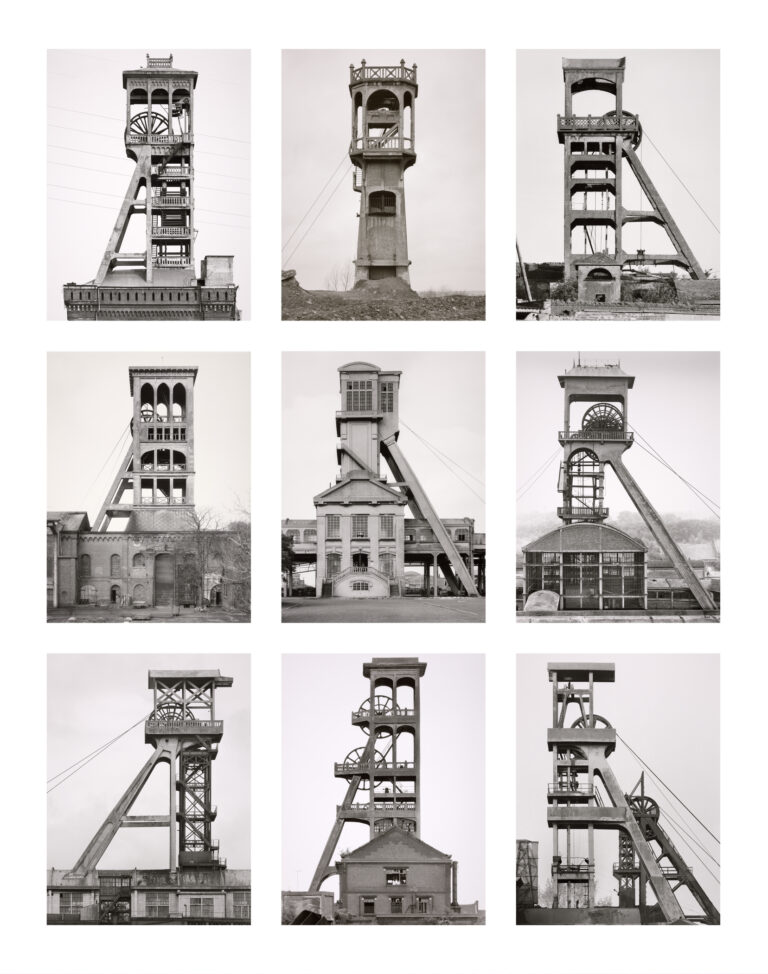
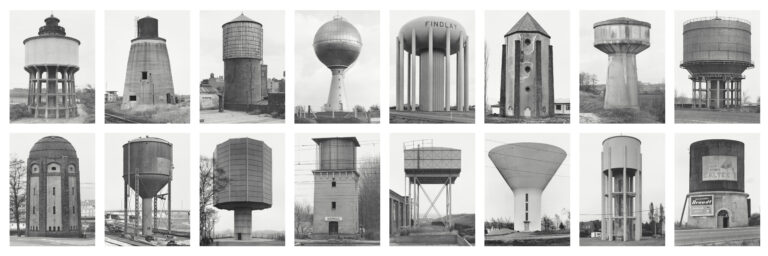
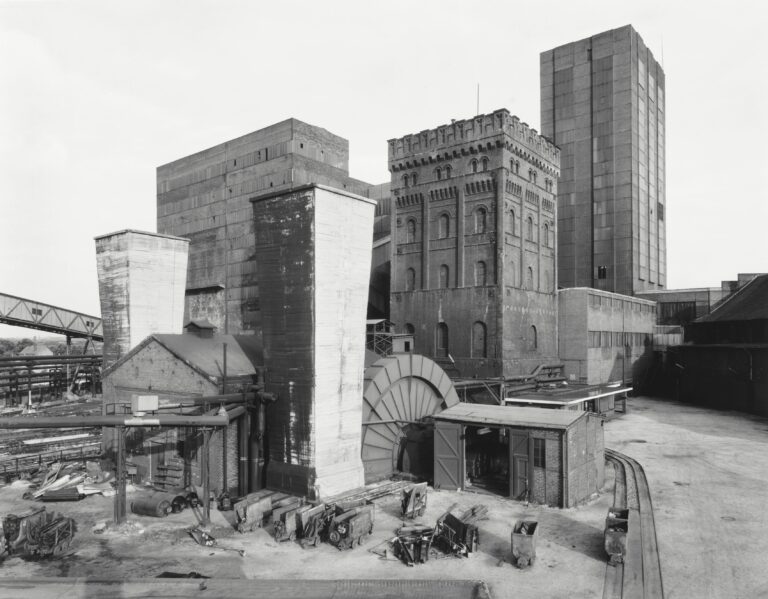
CBS Sunday Morning (March 26, 2023) – To photographers Bernd and Hilla Becher, the rapidly vanishing industrial architecture of Western Europe and North America were works of art. The German couple’s documentary images of transmission towers, gas tanks, blast furnaces and smokestacks – structures that signified the end of an industrial era – are being celebrated in a comprehensive retrospective now at the San Francisco Museum of Modern Art. Lee Cowan offers us a tour.
The renowned German artists Bernd and Hilla Becher (1931–2007; 1934–2015) changed the course of late twentieth-century photography. Working as a rare artist couple, they focused on a single subject: the disappearing industrial architecture of Western Europe and North America that fueled the modern era.
Their seemingly objective style recalled nineteenth- and early twentieth-century precedents but also resonated with the serial approach of contemporary Minimalism and Conceptual art. Equally significant, it challenged the perceived gap between documentary and fine art photography.
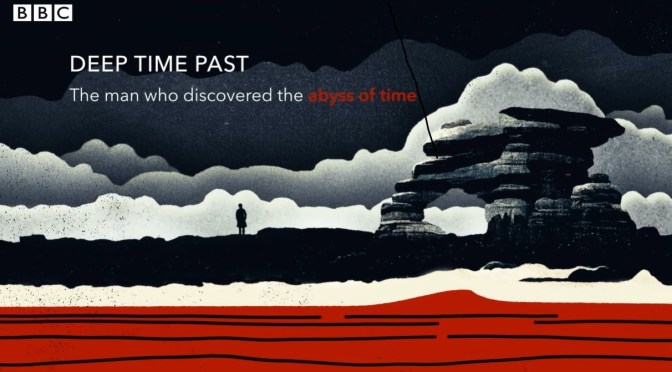
BBC News (March 26, 2023) – In the 1700s, geologist James Hutton discovered a rock formation in Scotland that transformed how we think about time. Through studying the rocky headland of Siccar Point, Hutton identified the existence of ‘deep time’ – proving that Earth is millions, not thousands, of years old.
James Hutton (1726–1797), a Scottish farmer and naturalist, is known as the founder of modern geology. He was a great observer of the world around him. More importantly, he made carefully reasoned geological arguments. Hutton came to believe that the Earth was perpetually being formed; for example, molten material is forced up into mountains, eroded, and then eroded sediments are washed away.
He recognized that the history of the Earth could be determined by understanding how processes such as erosion and sedimentation work in the present day. His ideas and approach to studying the Earth established geology as a proper science.
News, Views and Reviews For The Intellectually Curious













 CBS Sunday Morning (March 26, 2023) – To photographers Bernd and Hilla Becher, the rapidly vanishing industrial architecture of Western Europe and North America were works of art. The German couple’s documentary images of transmission towers, gas tanks, blast furnaces and smokestacks – structures that signified the end of an industrial era – are being celebrated in a comprehensive retrospective now at the San Francisco Museum of Modern Art. Lee Cowan offers us a tour.


 Boomers Daily