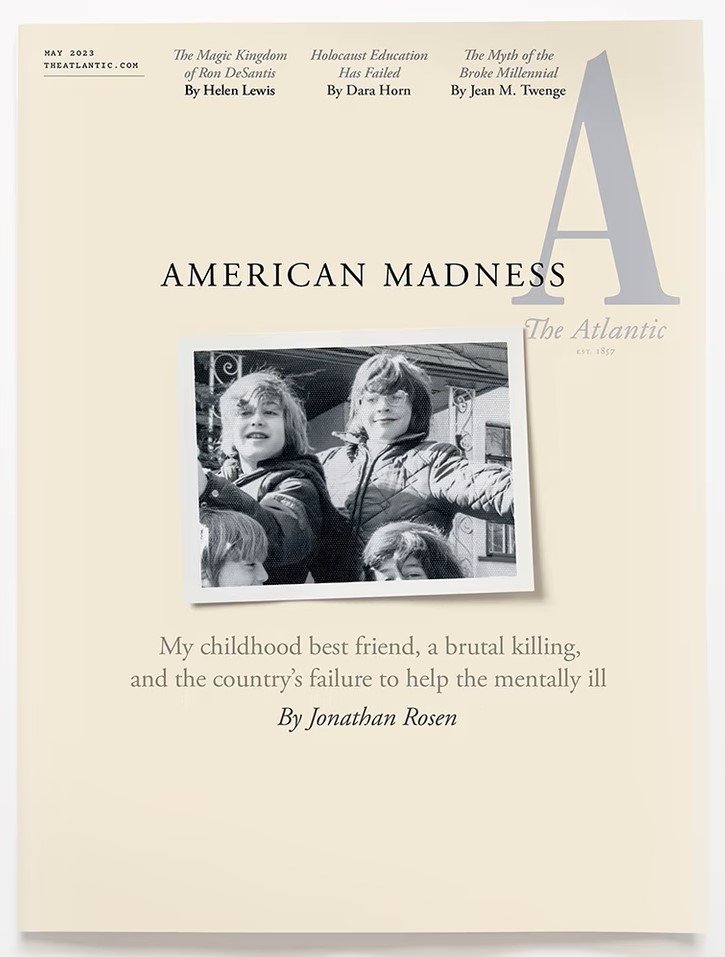
The Atlantic Magazine – May 2023 issue – In “American Madness,” appearing as the cover story of the May issue of The Atlantic, Jonathan Rosen writes about the extraordinary turned tragic trajectory of Michael’s life and illness, and makes a broader argument that how we treat people with severe mental illness in this country must change.
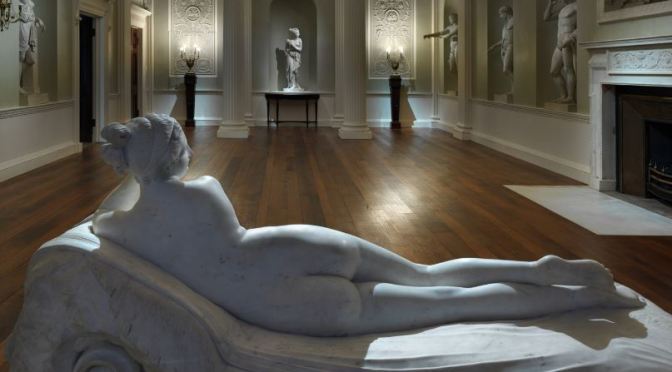
Villa Medicis, Rome (April 18, 2023) – The piano nobile of Villa Medici consists of the former rooms of Cardinal Ferdinando de’ Medici with three rooms in a row – the Room of the Elements, the Room of the Muses and the Room of the Lovers of Jupiter – with 16th century frescoes by the Mannerist painter Jacopo Zucchi. These rooms, which are open to the public on guided tours throughout the year, are located next to two private rooms from the same period which complete the complex.
As part of the project Reenchanting Villa Medici, the interior refurbishment of these emblematic spaces of Villa Medici has been entrusted to India Mahdavi, an internationally renowned French architect, designer and scenographer, who will be responsible for the artistic direction of the project in association with craftsmen (more information to come). This transformation is being carried out with respect for the period décor and previous architectural interventions, in order to revisit the premises by adding a touch of colour and modernity. The rooms will be equipped by Maison Tréca, a French manufacturer of high quality bedding.
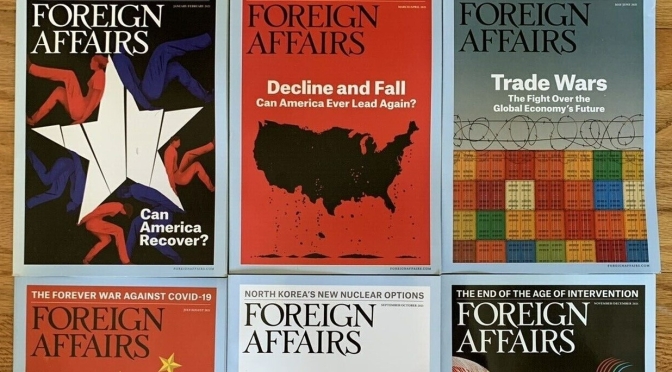
As countries in the global South refuse to take a side in the war in Ukraine, many in the West are struggling to understand why. Some speculate that these countries have opted for neutrality out of economic interest. Others see ideological alignments with Moscow and Beijing behind their unwillingness to take a stand—or even a lack of morals. But the behavior of large developing countries can be explained by something much simpler: the desire to avoid being trampled in a brawl among China, Russia, and the United States.
For China, Russia, and the West, the last year has been one of fear and conflict. Russia’s invasion of Ukraine has killed tens of thousands, perhaps even hundreds of thousands, of people. It has prompted the United States and Europe to rearm and has pushed Moscow and Washington back into Cold War–style competition.
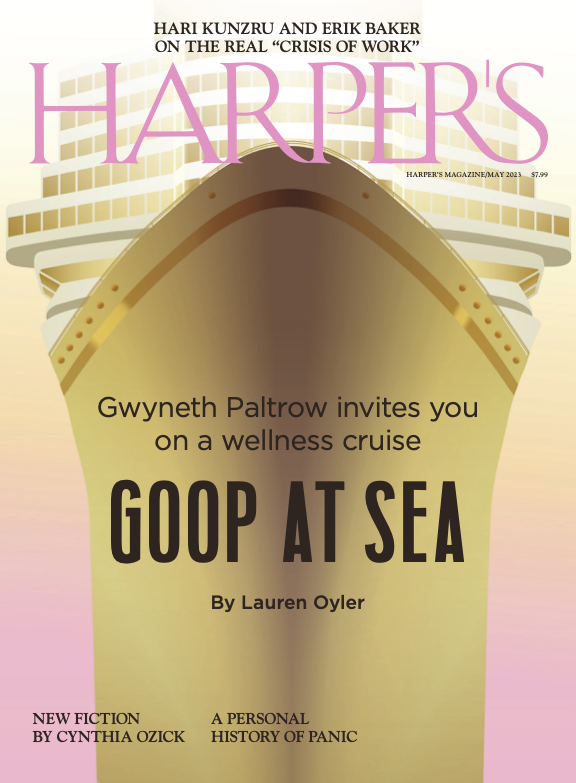
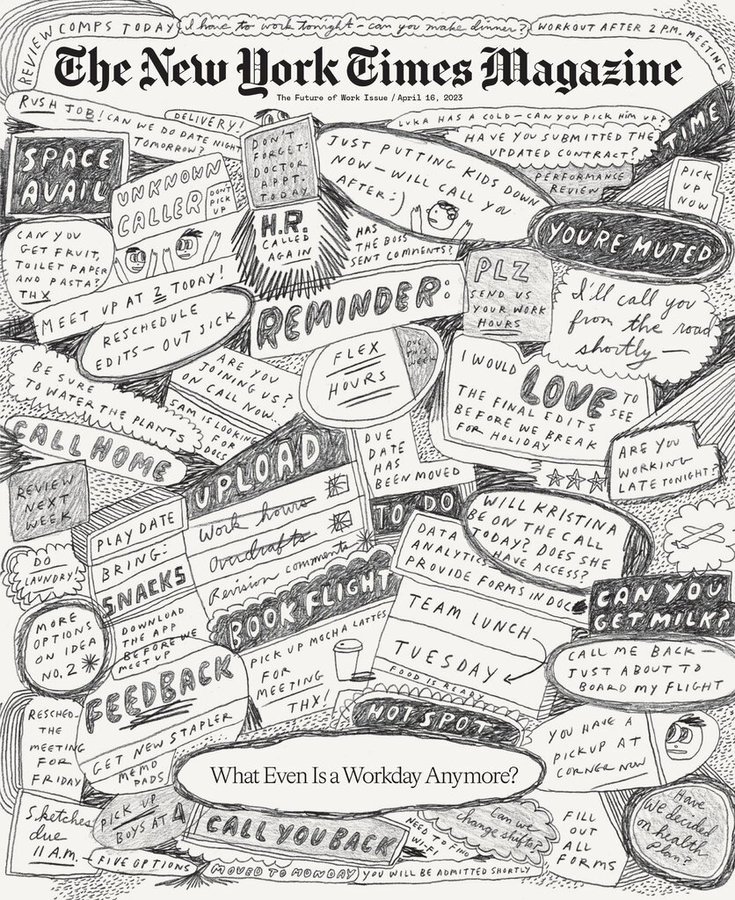
Something has gone wrong with work. On this, everyone seems to agree. Less clear is the precise nature of the problem, let alone who or what is to blame. For some time we’ve been told that we’re in the midst of a Great Resignation. Workers are quitting their jobs en masse, repudiating not just their bosses but ambition itself—even the very idea of work.
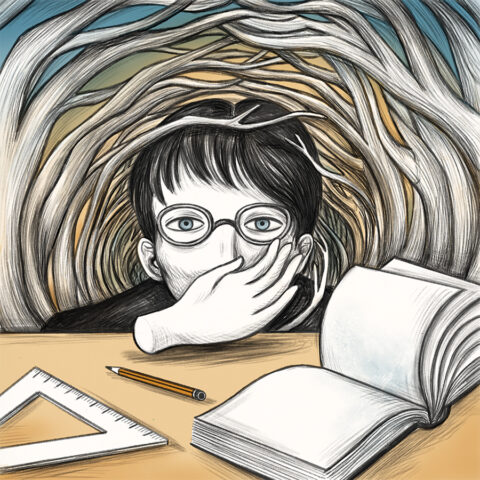
I had my first panic attack when I was fifteen, in the middle of January, while I was sitting in geometry class. Winter in Illinois, flesh comes off the bones—what did we need geometry for? We could look at the naked angles of the trees, the circles in the sky at night.
Grace Wright’s atmospheric paintings are all-consuming, inviting the viewer into a baroque world of tangled gestures. Markings on the canvas twist and convulse about themselves to build an anarchic structure before unravelling to moments of repose. While Wright’s gestures may be abstract, she views her paintings as representational narratives, evoking the tempestuous rhythm of the natural world, while alluding to 17th-century religious paintings.
Grace Wright, World Receivers, 2023
Deep Symmetry explores a recent evolution of Wright’s practice as a result of her time in Europe in the latter half of 2022. Its title was inspired by the architectural geometries of the Sainte Chapelle in Paris, France, and a quote by writer Karl Ove Knausgaard: “Life is irregularity, death is geometry”.
Wright has been long fascinated with the deeper, universal connections that exist beyond our normal comprehension. Marrying alluring, harmonious colour with visceral imagery to monumental standing, Wright’s paintings are a reflection of this deep connectedness; her coiling energetic brush marks echoing the universal ‘rhythmic, cyclical nature’ forms in our world, to emotion and the force of life itself.
I recently returned to the Metropolitan Opera to see The Hours, based on Michael Cunningham’s novel. It was wonderful to be back in the glittering hall, after three long pandemic years, listening to Renee Fleming, Joyce DiDonato, and Kelli O’Hara bring Virginia Woolf and Cunningham’s other characters to life. That experience sent me looking for novels about music, and I was thrilled to see that Brendan Slocumb has a new one coming out only a year after his bestselling debut,
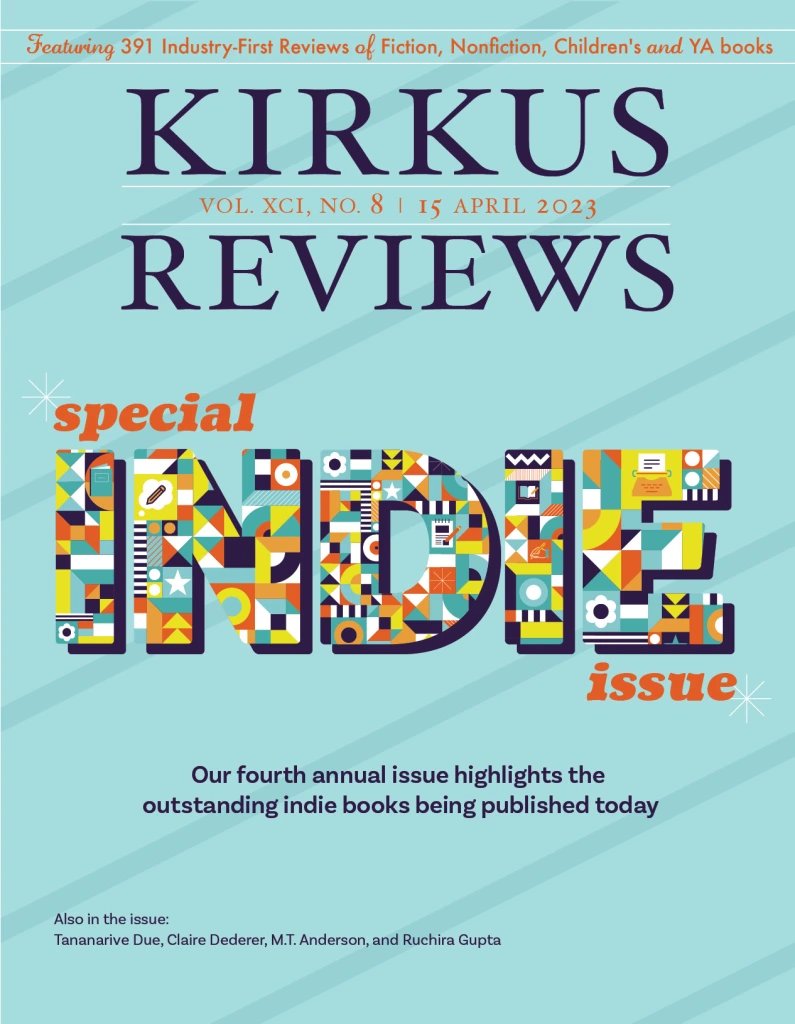
In the fourth annual Indie Issue, we let the books speak for themselves in these excerpts from a trio of starred Indieland picks: a memoir by two sisters who survived the Holocaust; another memoir about a teen’s coming-of-age on a sailing-school ship; and a collection of short stories from a renowned Bengali author.
In Daniel Seymour’s From Auschwitz With Love, sisters Manci Grunberger Beran and Ruth Grunberger Mermelstein describe their arrival at the concentration camp:
Father realized that we didn’t have much time together. So, he said to us, “No matter what happens, I want you to remember three things.”
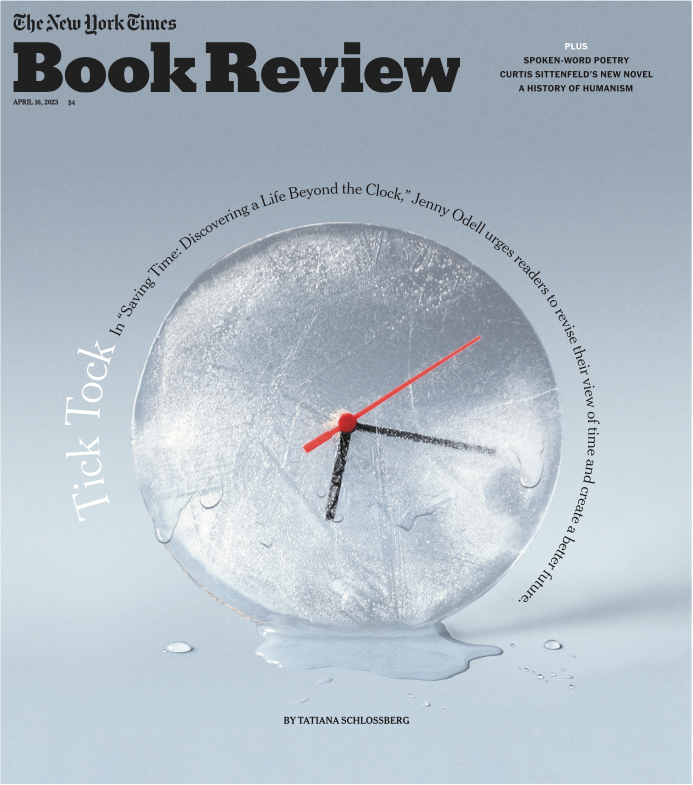
The author’s new book, “Saving Time: Discovering a Life Beyond the Clock,” urges readers to revise their conceptions of time and the world to nurture hope and action for a better future.
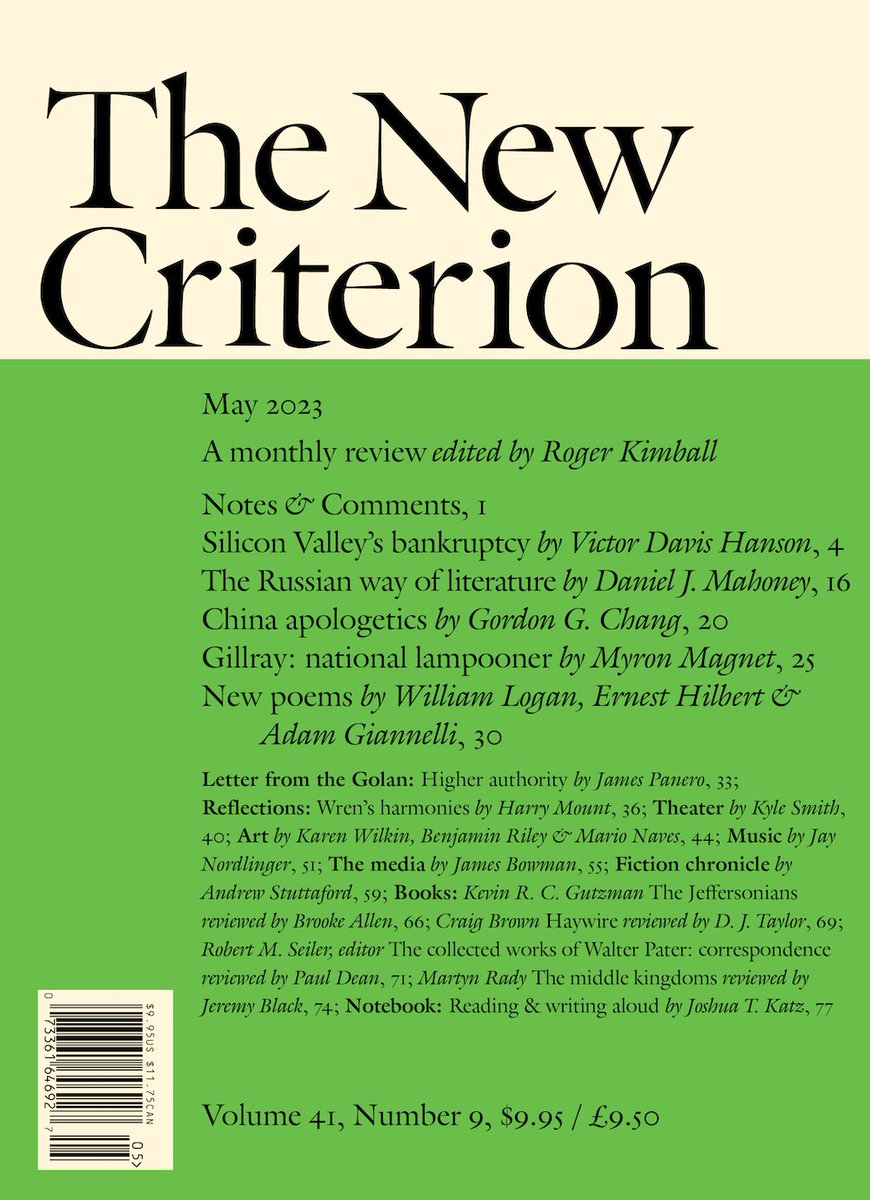
Silicon Valley’s moral bankruptcy by Victor Davis Hanson The Russian way of literature by Daniel J. Mahoney China apologetics by Gordon G. Chang Gillray: national lampooner by Myron Magnet
A niche group of consultants is trying to get you back to the office. It’s not going too well.
Being the boss doesn’t mean you get exactly what you wish for. That’s what Craig Knoblock discovered when he tried to get his employees to come back to the office in the fall of 2021.
Gig work has been silently taking over new industries, but not in the way many expected.
For most Americans, the concept of “gig work” has been synonymous with a handful of Silicon Valley giants — companies like Uber and DoorDash, Instacart and TaskRabbit. There was a moment in the 2010s when pundits told us to expect the “Uberization of everything”: a future in which the typical worker would move from job to job or task to task, finding either independence and flexibility in freelancing or, more realistically, the precarity of working for platforms that may be light on benefits and aggressively exploitative of labor.
News, Views and Reviews For The Intellectually Curious





























 Boomers Daily