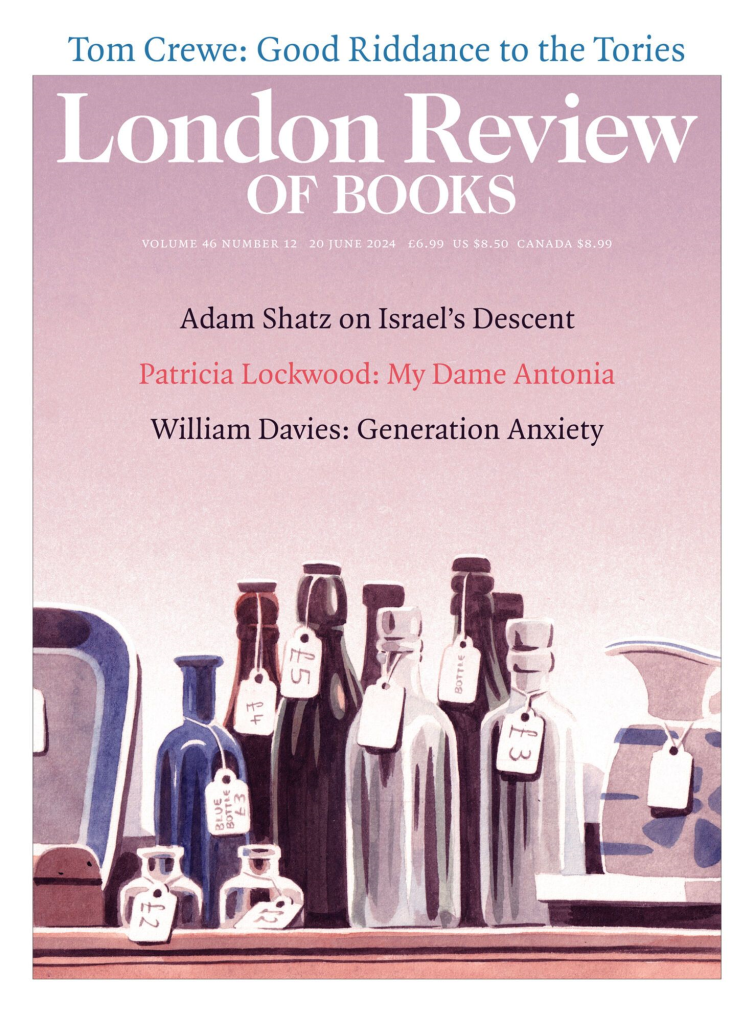
London Review of Books (LRB) – June 14 , 2024: The latest issue features Good Riddance to the Torries; Adam Shatz on ‘Israel’s Descent’; Patricia Lockwood – My Dame Antonia; William Davies – Generation Anxiety…
The Anxious Generation: How the Great Rewiring of Childhood Is Causing an Epidemic of Mental Illness by Jonathan Haidt. Allen Lane, 385 pp., £25, March, 978 0 241 64766 0
In the 1980s the term ‘anxiety’ was almost eliminated from the lexicon of American psychiatry. The infamous DSM-III (the third edition of the Diagnostic and Statistical Manual of Mental Disorders) took an axe to various legacies of psychoanalysis that had dominated psychiatric thinking in the postwar decades. Among them was a preoccupation with anxiety. Anything and everything could, it seemed, be attributed to anxiety: whether it presented as a specific phobia or a panic attack, a somatic symptom or just a lurking sense of dread, anxiety was at the root. It was this sort of all-purpose explanation, with no apparent scientific rigour or falsifiability, that the authors of DSM-III were trying to root out.
When Ariel Sharon withdrew more than eight thousand Jewish settlers from the Gaza Strip in 2005, his principal aim was to consolidate Israel’s colonisation of the West Bank, where the settler population immediately began to increase. But ‘disengagement’ had another purpose: to enable Israel’s air force to bomb Gaza at will, something they could not do when Israeli settlers lived there.
The State of Israel v. the Jews by Sylvain Cypel, translated by William Rodarmor. Other Press, 352 pp., £24, October 2022, 978 1 63542 097 5
The Palestinians of the West Bank have been, it seems, gruesomely lucky. They are encircled by settlers determined to steal their lands – and not at all hesitant about inflicting violence in the process – but the Jewish presence in their territory has spared them the mass bombardment and devastation to which Israel subjects the people of Gaza every few years.
Deux peuples pour un état?: Relire l’histoire du sionisme by Shlomo Sand. Seuil, 256 pp., £20, January, 978 2 02 154166 3
Our Palestine Question: Israel and American Jewish Dissent, 1948-78 by Geoffrey Levin. Yale, 304 pp., £25, February, 978 0 300 26785 3
Tablets Shattered: The End of an American Jewish Century and the Future of Jewish Life by Joshua Leifer. Dutton, 398 pp., £28.99, August, 978 0 593 18718 0
The Necessity of Exile: Essays from a Distance by Shaul Magid. Ayin, 309 pp., £16.99, December 2023, 979 8 9867803 1 3
Deluge: Gaza and Israel from Crisis to Cataclysm edited by Jamie Stern-Weiner. OR Books, 336 pp., £17.99, Ap
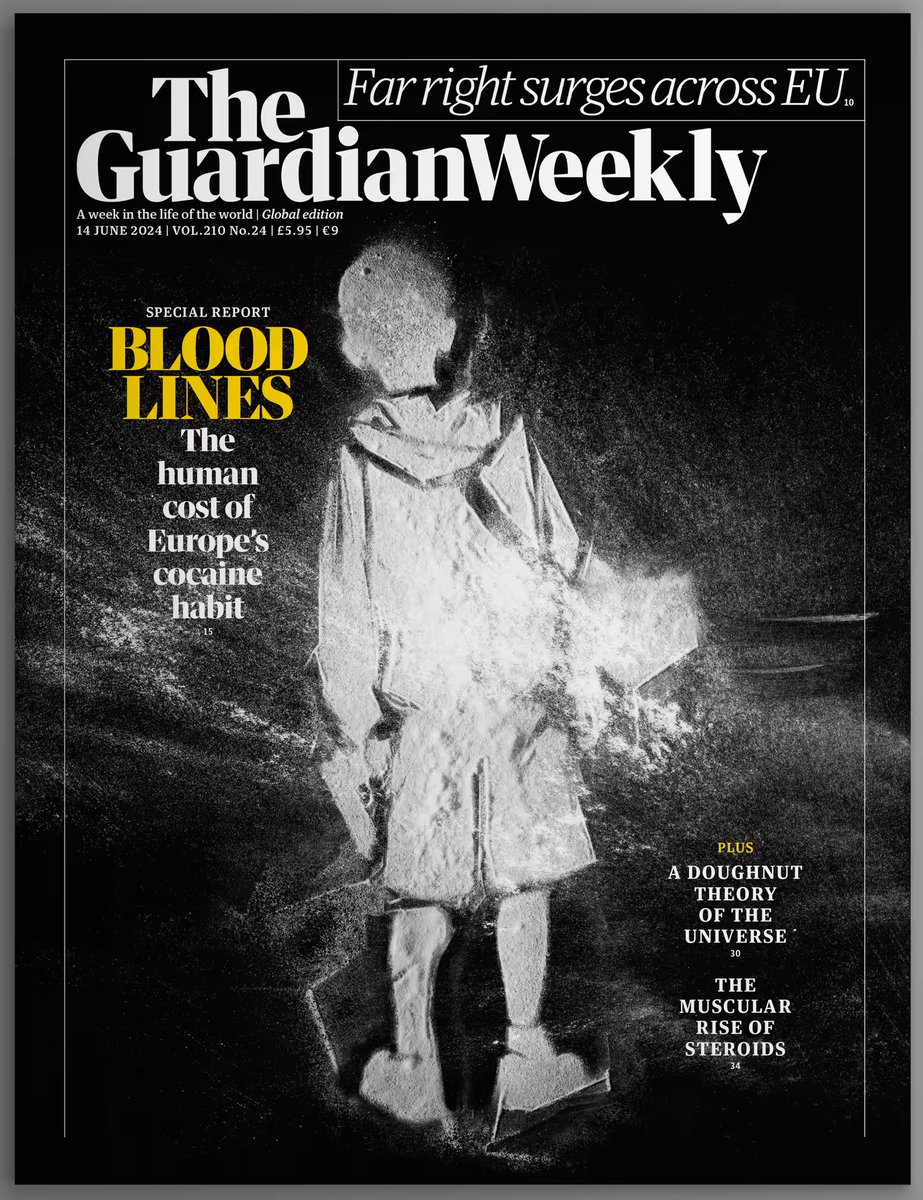
The Guardian Weekly (June 13, 2024) – The new issue features‘Blood Lines’ – The human cost of Europe’s cocaine habit’; The Far Rights surges across EU; A doughnut theory of the universe; The muscular rise of steroids…
In a week when much of the attention in Europe was on far-right political gains in the parliamentary elections, the Guardian Weekly’s cover shines a light on another of the continent’s disturbing undercurrents.
A Guardian investigation has found that hundreds of unaccompanied child migrants across Europe are being forced to work for increasingly powerful drug cartels to meet the continent’s soaring appetite for cocaine.
In cities including Paris and Brussels, gangs are exploiting the “unlimited” supply of vulnerable African children at their disposal, using brutal means to control their victims, including torture and rape if they fail to sell enough drugs, as they seek to expand Europe’s $13bn cocaine market.
Mark Townsend reveals the plight of the illegal trade’s child foot soldiers, while Annie Kelly explains the growing problem of cocaine use in Europe. And from Ecuador, Tom Phillips reports on how death and destruction follow the drug on its complex journey across the Atlantic.
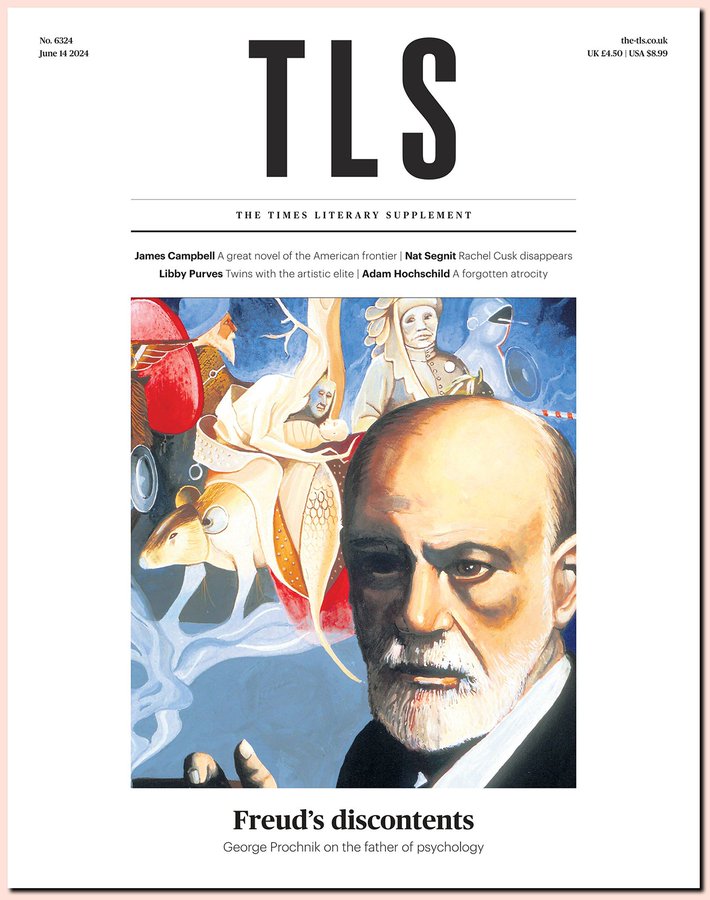
Times Literary Supplement (June 13, 2024): The latest issue features Freud’s Discontents – George Prochnik on the father of psychology; A great novel on the American Frontier; Death becomes them – The mourning rituals of the Victorians; Cover-up – An atrocity committed by US troops in the Philippines….
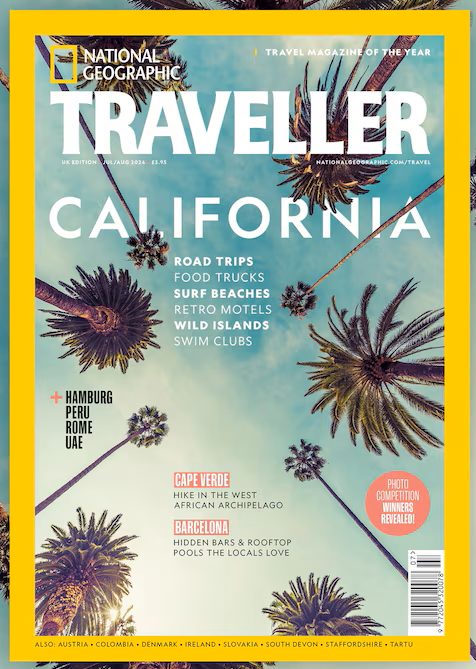
National Geographic Traveller Magazine (June 11, 2024): The July/August 2024 issue features a look beyond California’s vineyards and glacier-carved national parks to savour its tranquil coast, home to laid-back surf resorts and wave-lashed islands harbouring wildlife found nowhere else on Earth with the Jul/Aug 2024 issue. Plus, high-octane thrills in the deserts and mountains of Ras Al Khaimah and a slow journey along ancient trails in Cape Verde’s elemental hiking country.
Also inside this issue:
Ras Al Khaimah: The Emirate state of mountains, deserts and coastline is now emerging as an adventure hub Cape Verde: The West African archipelago is prime hiking country, with ancient trails running through farms and mountains Slovakia: The past is felt with every step in the central region of Horehronie, home to lush valleys and a diverse folk culture Peru: Unforgettable itineraries through which to discover the nation’s cuisine, culture and complex history Barcelona: There’s always time for one more cocktail on streets peppered with clandestine speakeasies Hamburg: Wedded to the water, Germany’s ‘gateway to the world’ has long welcomed the tides of change Danish Lakes:Dive into the waters around Silkeborg, where wild swimming spots mingle with fairytale forests South Devon: Award-winning wines, local rums and stellar farm shops in the south west Rome: Savour the Eternal City with a stay that incorporates its rich history, from secluded boutiques to grand palazzi
Plus, The return of Liguria’s much-loved Via dell’Amore; Ireland’s new national park; the story of Belgian cuisine; Tartu’s best hotels; a salsa-lovers guide to Cali, Colombia; Alpine thrills in Austria; a UK break in North Staffordshire; books for the summer months and kit for family trips to the coast.
We talk with author Sophie Yeo on the legacy of ice fishing in the Finnish wilderness, and ranger Edward Ndiritu on the future of anti-poaching in central Kenya. In our Ask the Experts section, the experts give advice on planning a food tour in Malaysia, low-impact French hiking holidays and more. The Info peeks behind the curtain of the Edinburgh Fringe, while Hot Topic explores the state of travel in Cyprus 50 years since its division. After a look at the winning images of this year’s Photo Competition, photographer Ulf Svane discusses distilling the magic of Phuket’s Vegetarian Festival for our June issue in How I got the shot.





















 National Geographic Traveller Magazine (June 11, 2024)




 Boomers Daily