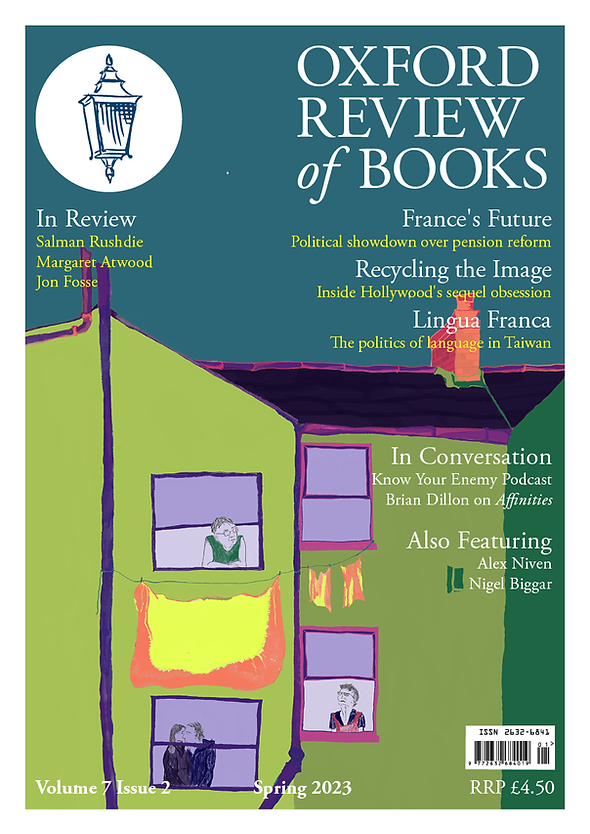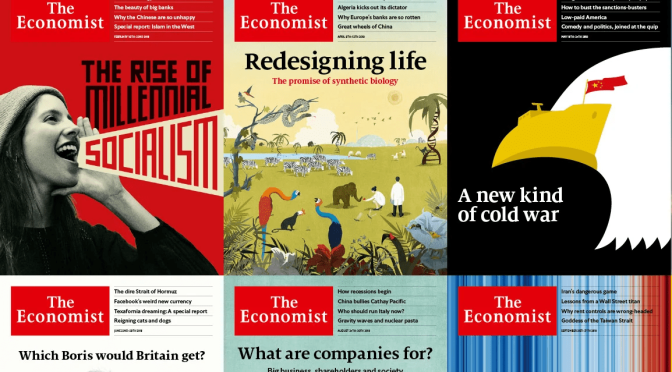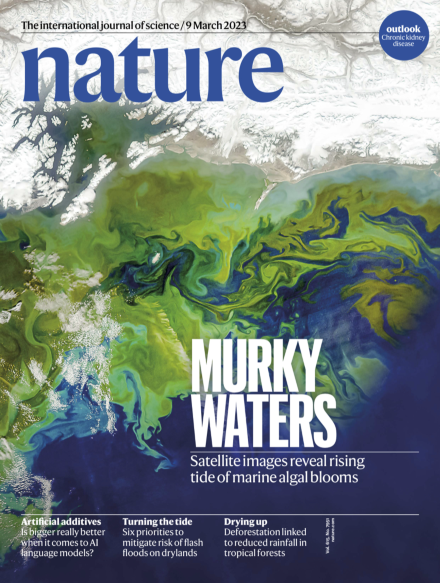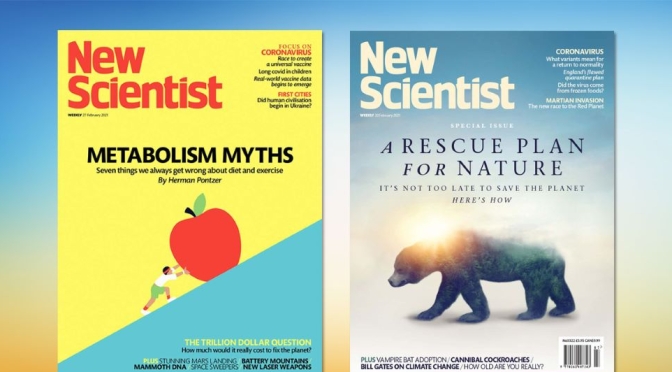

Oxford Review of Books (Spring 2023) – This issue includes reviews of the latest releases from Margaret Atwood, Salman Rushdie, and Jon Fosse, interviews with Brian Dillon and the Know Your Enemy Podcast. Our writers explore the politics of pension reform in France, Hollywood’s obsession with sequels, and the shifting linguistic landscape of Taiwan (among countless great articles!) as well as a Q+A with writer Alex Niven and Academic Nigel Biggar.
Inflation and higher interest rates brought an end to rah-rah returns for growth stocks. Advisors are adjusting by buying more bonds and shifting their focus away from once-sexy stock sectors.

It could take five to 10 years for an EV to pay off financially compared with a gasoline-powered car. Here’s what to know if you’re thinking of going electric.
Watch for reality-bending explorations of time and space, a Western horror novel from Victor LaValle and new fiction from Han Kang. Plus: Tom Hanks (yes, that Tom Hanks) releases his debut novel.
A new book by Joel Warner traces the fate of the parchment on which the infamous author wrote “120 Days of Sodom,” a trail involving scholars, aristocrats and thieves — and lots of money.
Oscar campaigns are often run by professional strategists, essentially a specialized breed of publicist. Their job begins as early as a year before the awards, sometimes before a film is even shot. They advise on which festival a film should premiere at, shape a campaign platform and hope that the film gains enough momentum to propel it into awards season.
Much of the cathedral’s restoration, projected to be completed in 2024, will address these large holes. They affect not just the structure of the building, but also something that cannot be seen: the acoustics. “Notre Dame has lost about 20 percent of its acoustics,” says Mylène Pardoen, who is the co-director of the acoustics team working on Notre Dame — under the aegis of the French Ministry of Culture and the Centre National de la Recherche Scientifique (C.N.R.S.), a research organization from whose ranks specialists have been drawn for the restoration. The holes caused a measurable decline in the glorious resonances that gave the building its unique sound.
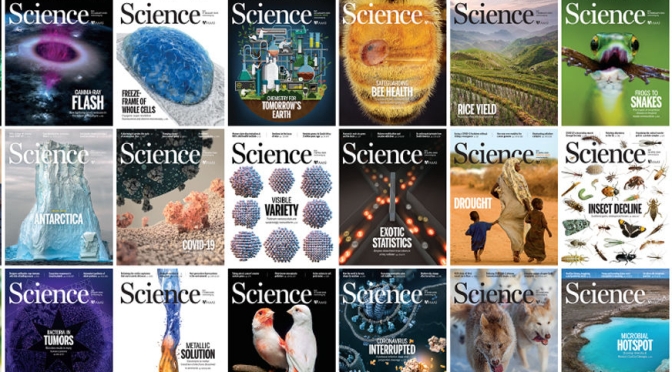
Science Magazine – March 10, 2023 issue: A honey bee (Apis mellifera) performs a complex dance to communicate resource location and value. Research now shows that novice bees dance better and communicate location more accurately if they were previously able to follow and socially learn from more experienced dancers.
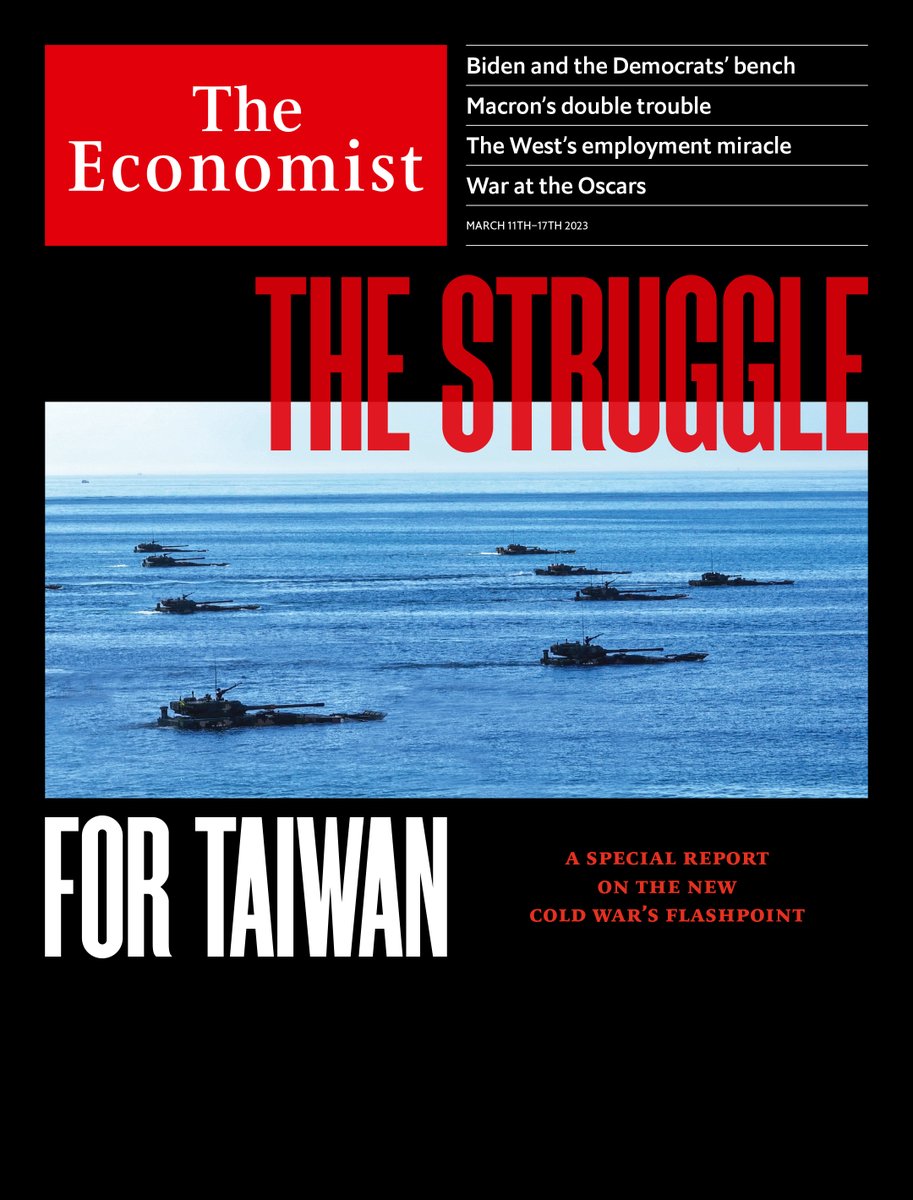
Europe is witnessing its bloodiest cross-border war since 1945, but Asia risks something even worse: conflict between America and China over Taiwan. Tensions are high, as American forces pivot to a new doctrine known as “distributed lethality” designed to blunt Chinese missile attacks. Last week dozens of Chinese jets breached Taiwan’s “air defence identification zone”. This week China’s foreign minister condemned what he called America’s strategy of “all-round containment and suppression, a zero-sum game of life and death”.
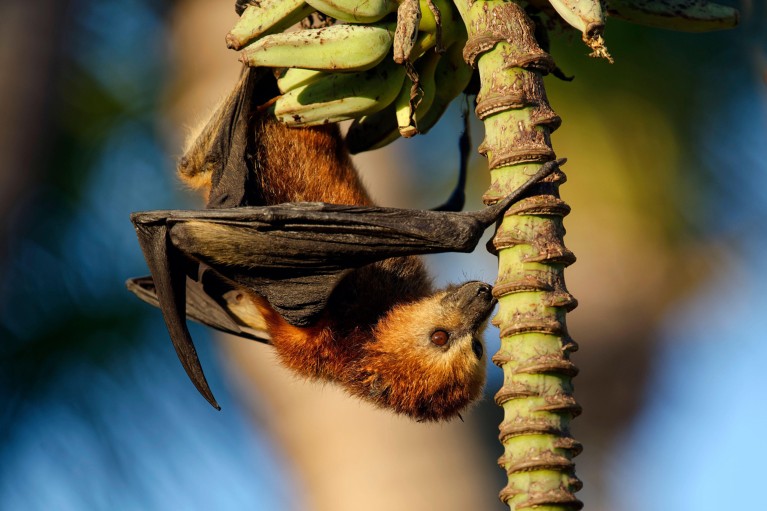
Human hunt at least 19% of bat species worldwide — especially flying foxes, which can have wingspans of 1.5 metres.
The Mauritian flying fox (Pteroptus niger). As relatively large bats, flying foxes are hunted more heavily than other species. Credit: Fabrice Bettex Photography/Alamy
Large tropical bats with narrow home ranges are disproportionately likely to be hunted by humans, according to a global analysis of 1,320 bat species — nearly all of the 1,400 known to science1.
From tracking the disease’s spread in wild birds to updating human vaccines, there are measures that could help keep avian influenza in check.
A goose being vaccinated against avian influenza in China.Credit: Wei Liang/China News Service/Getty
Fears are rising about bird flu’s potential to spark a human pandemic, as well as its destruction of wildlife and farmed birds. An 11-year-old girl tragically died in Cambodia last week after catching avian influenza. That followed reports earlier this year of the virus spreading from mammal to mammal through a mink farm, and causing mass mortality in Peruvian birds and sea lions. Since the beginning of 2022, more than 50 million poultry birds in the United States, and a similar number in Europe, have either died of the disease or been killed in efforts to stem its spread. Can bird flu be stopped, and if yes, how?
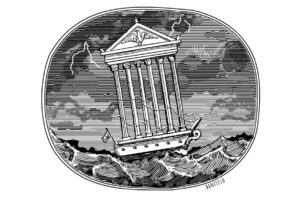
Ancient philosopher Anaximander’s discoveries about rain, wind and the cosmos may make him the true force behind modern science, argues physicist Carlo Rovelli in his newly republished first book
It’s no secret that methane is one of the most potent greenhouse gases, with scientists attributing 25% of global heating to its atmospheric release. A new Guardian analysis by environment editor Damian Carrington lays bare the extent of the problem, identifying more than 1,000 of the world’s worst emitters.
But methane is also a double-edged sword: while it traps 80 times more heat than carbon dioxide, it fades from the atmosphere in about a decade, far faster than the century or more taken by CO2, which is why urgent action to tackle leaks would be so effective in the push to limit global heating. Find out more in Damian’s Big Story report for us this week.
News, Views and Reviews For The Intellectually Curious