

Dr. Matthew Binnicker oversees Mayo Clinic’s laboratory response in developing a test to detect COVID-19 in clinical samples. A process that usually takes six months to a year, was accomplished in under a month, thanks to a dedicated team working around the clock. The test should help ease the burden currently being felt at the Centers for Disease Control & Prevention and state health labs. That will also mean faster turnaround times for results. Patients can expect results within 24 hours of when samples are collected and sent to Mayo Clinic Laboratories. Initially, Dr. Binnicker says the laboratory has the capacity to run between 200-300 tests daily. Additional equipment has been ordered to double that capacity in the coming weeks.
More health and medical news on the Mayo Clinic News Network. https://newsnetwork.mayoclinic.org/

 On this week’s show, freelance writer Christa Lesté-Lasserre talks with host Sarah Crespi about the scientists working on the restoration of Notre Dame, from testing the changing weight of wet limestone, to how to remove lead contamination from four-story stained glass windows.

 A central strategy for health care surge control is “forward triage” — the sorting of patients before they arrive in the emergency department (ED). Direct-to-consumer (or on-demand) telemedicine, a 21st-century approach to forward triage that allows patients to be efficiently screened, is both patient-centered and conducive to self-quarantine, and it protects patients, clinicians, and the community from exposure.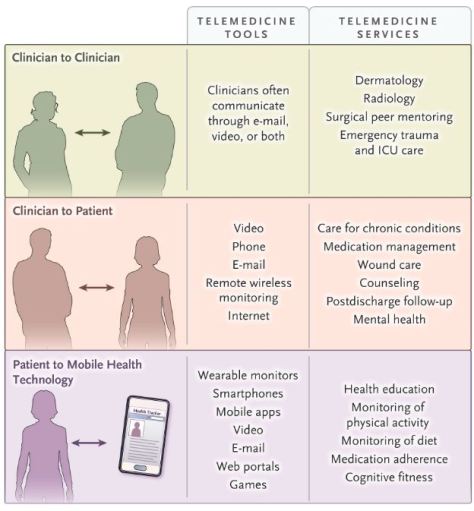


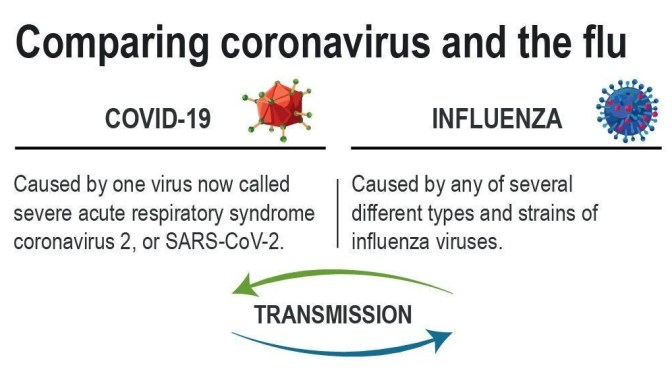
 Coronavirus appears to spread more slowly than the flu. This is probably the biggest difference between the two. The flu has a shorter incubation period (the time it takes for an infected person to show symptoms) and a shorter serial interval (or the time between successive cases). Coronavirus’s serial interval is around five to six days, while flu’s gap between cases is more like three days, the WHO says. So flu still spreads more quickly.
 Don’t blame snotty kids—adults are passing coronavirus around.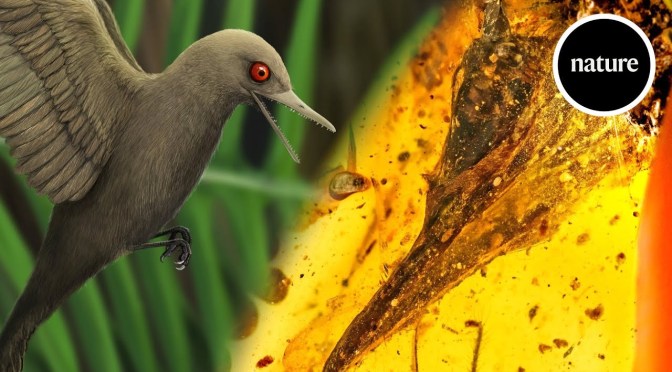
 Hear the latest science news, brought to you by Shamini Bundell and Nick Howe. This week, a newly discovered bird species from the time of the dinosaurs, and microbes hundreds of metres below the ocean floor.
 There’s a symptom review, there’s a travel review, and there’s an exposure review. And if the answer to any of those questions is yes, then you’re asked to not come in. And so far people have been compliant and have left. So that is a good thing.
 Boomers Daily