Less than 7% of the U.S. adult population has good cardiometabolic health, a devastating health crisis requiring urgent action, according to research led by a team from @TuftsNutrition. https://t.co/fDnypaSwgS
— Tufts University (@TuftsUniversity) July 5, 2022
Less than 7% of the U.S. adult population has good cardiometabolic health, a devastating health crisis requiring urgent action, according to research led by a team from the Friedman School of Nutrition Science and Policy at Tufts University in a pioneering perspective on cardiometabolic health trends and disparities published in the July 12 issue of the Journal of the American College of Cardiology. Their team also included researchers from Tufts Medical Center.
Researchers evaluated Americans across five components of health: levels of blood pressure, blood sugar, blood cholesterol, adiposity (overweight and obesity), and presence or absence of cardiovascular disease (heart attack, stroke, etc.). They found that only 6.8 percent of U.S. adults had optimal levels of all five components as of 2017-2018.
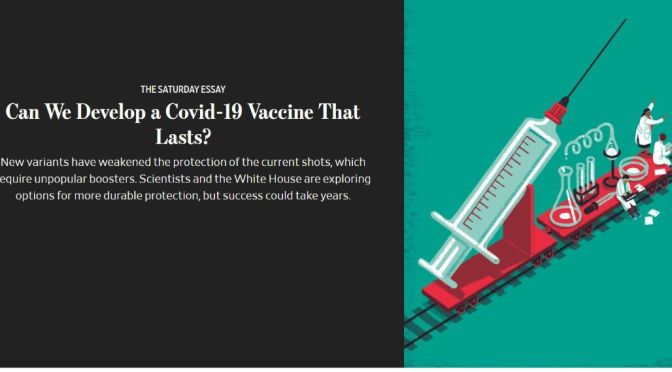
“Roughly two and a half years into the pandemic, White House officials and health experts have reached a pivotal conclusion about Covid-19 vaccines: The current approach of offering booster shots every few months isn’t sustainable.
Though most vaccines take years to develop, the Covid shots now in use were created in record time—in a matter of months. For health authorities and a public desperate for tools to deal with the pandemic, their speedy arrival provided a huge lift, preventing hospitalizations and deaths while helping people to escape lockdowns and return to work, school and many other aspects of pre-Covid life.”
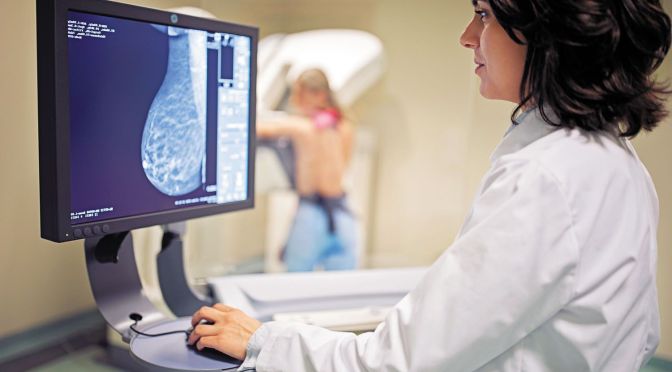
Postmenopausal women whose screening mammograms show signs of calcification in their breast arteries may have a higher risk of cardiovascular disease: https://t.co/iktQotQz5n#HarvardHealth
The routine mammograms women receive to check for breast cancer may also offer clues to their risk for heart disease, new research suggests.
White spots or lines visible on mammograms indicate a buildup of calcium in breast arteries. This breast arterial calcification is different from coronary artery calcification, which is known to be a marker for higher cardiovascular risk. For the study, researchers followed 5,059 postmenopausal women (ages 60 to 79) for six and a half years. They found that those with breast arterial calcification were 51% more likely to develop heart disease or have a stroke than those without calcification. The study was published March 15, 2022, in Circulation: Cardiovascular Imaging.
Vulnerability to heart disease can be projected before symptoms occur, Mayo Clinic discovered in preclinical research. This proof-of-concept study revealed that heart muscle changes indicate who is vulnerable to disease later in life. These changes can be detected from blood samples through comprehensive protein and metabolite profiling. This exploratory mapping, conducted in the Marriott Family Comprehensive Cardiac Regenerative Program within Mayo Clinic’s Center for Regenerative Medicine, is published in Scientific Reports.
“The team implemented state-of-the-art technologies to predict who is vulnerable and who is protected from heart disease,” says Andre Terzic, M.D., Ph.D., a Mayo Clinic cardiologist and the senior author. “In this era of post-genomic medicine, the acquired foundational knowledge provides guidance for development of curative solutions targeted to correct the disease-causing maladaptation.” Dr. Terzic is the Marriott Family Director, Comprehensive Cardiac Regenerative Medicine, for the Center for Regenerative Medicine and the Marriott Family Professor of Cardiovascular Research.
A new study suggests a high-fiber diet may protect against dementia. In a group of about 3,700 older adults, those who consumed the most fiber had the lowest rates of dementia, and those who ate the least fiber had the highest rates: https://t.co/XbUNndYghs#HarvardHealth
Fiber is known for keeping your digestive system healthy and lowering cholesterol levels. Now, study findings suggest it also may protect the brain from dementia.
The study involved approximately 3,700 healthy adults, ages 40 to 64, who completed routine dietary surveys for 16 years. Researchers then monitored the participants for two decades to see which ones developed dementia. The study revealed that people who consumed the most daily fiber had the lowest rates of dementia. The reverse also was true — those who ate the least fiber had the highest rates. Specifically, the low-risk group consumed an average of 20 grams daily, while those with the highest risk averaged only 8 grams. (The USDA recommends that men over age 50 eat 30 grams of fiber daily.)
The sudden surge of monkeypox cases outside Africa has alarmed public health authorities around the world. In Europe and North America it’s the first time community transmission has been recorded among people with no links to west or central Africa. So what is happening?
Ian Sample talks to virologist Oyewale Tomori about why monkeypox is flaring up, whether we should fear it, and what we can learn from countries such as Nigeria and the Democratic Republic of the Congo, which have been tackling this virus for decades.
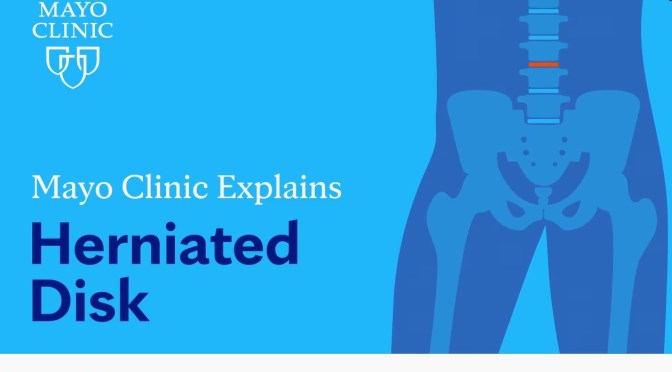
Learning about a herniated disk can be intimidating. Let our experts walk you through the facts, the questions, and the answers to help you better understand this condition.
0:00 Introduction 0:24 What is a herniated disk? 1:16 What causes a herniated disk? / Risk factors 2:10 Symptoms of a herniated disk 2:49 How is a herniated disk diagnosed? 3:38 Treatment options 4:50 Coping methods/ What now? 5:16 Ending
For more reading visit:https://mayocl.in/3PyJMvJ. When it comes to your health, Mayo Clinic believes credible and clear information is paramount. There’s a lot to learn about a herniated disk. We’re here to help.
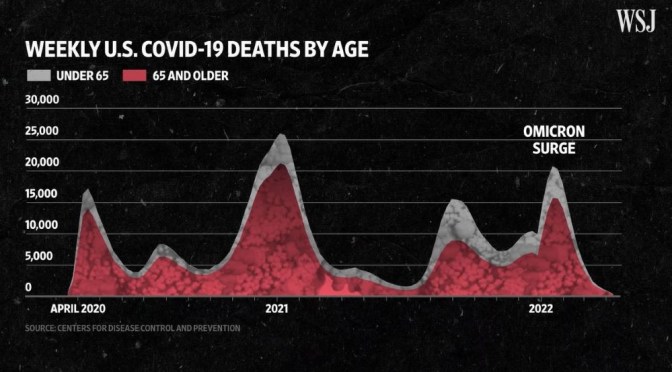
More than one million Americans were killed by Covid-19 in just over two years, the CDC reports. But the disease has hit some segments of the U.S. population far more than others. Photo illustration: Todd Johnson
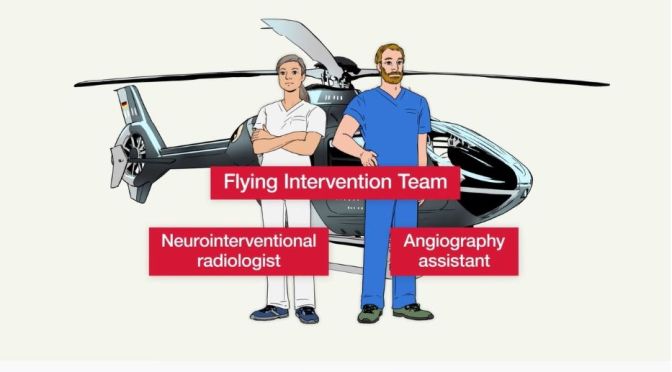
In a nonrandomized controlled intervention study published in JAMA, researchers in Germany assessed whether deployment of a flying interventional team, consisting of a neurointerventional radiologist and an angiography assistant, was associated with a shorter time to endovascular thrombectomy for patients in rural or intermediate population areas in Southeast Bavaria.
This video explains the study design. Click https://ja.ma/FIT for full details.
England’s health service handles 10m clinic appointments for eyes every year. Artificial intelligence could help speed up and improve diagnoses for patients. Film supported by @Maersk.
England’s health service handles 10m clinic appointments for eyes every year. Artificial intelligence could help speed up and improve diagnoses for patients.
News, Views and Reviews For The Intellectually Curious




 Boomers Daily