
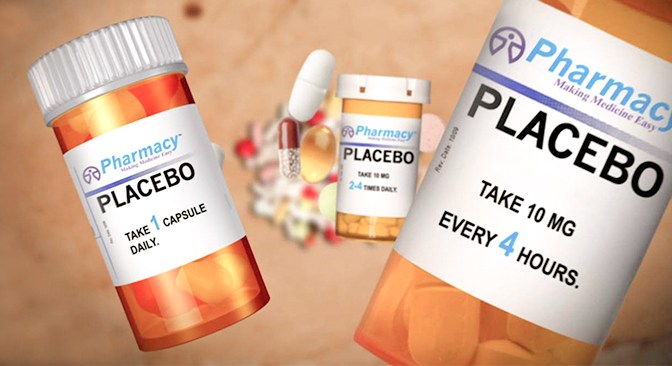
From a Wall Street Journal online article:
Researchers in Germany published a study in the journal Pain in December showing that open-label placebos can help relieve chronic lower-back pain, 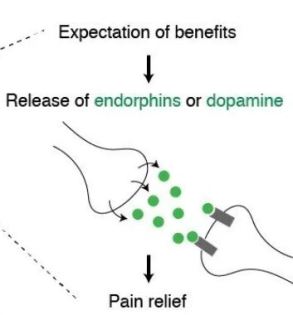 replicating a 2016 study. A similar study by University of Colorado, Boulder researchers found that placebo saline injections reduce chronic lower-back pain.
Two other recent studies showed placebos openly given to cancer patients helped relieve cancer-related fatigue. And a forthcoming study by German researchers found openly giving placebo to elderly patients helped improve knee pain.
More researchers are looking at the idea of placebos—substances that have no actual pharmaceutical effect—as an alternative to traditional pain medications, which can be ineffective and carry significant side effects. Placebos might have particular potential for difficult-to-treat conditions like chronic back pain, cancer-related fatigue and symptoms of irritable bowel syndrome, researchers hope.
As many as 30% to 50% of chronic pain patients will respond to placebos, research suggests. And new studies are helping to identify genetic and brain differences that make certain people more likely to respond.
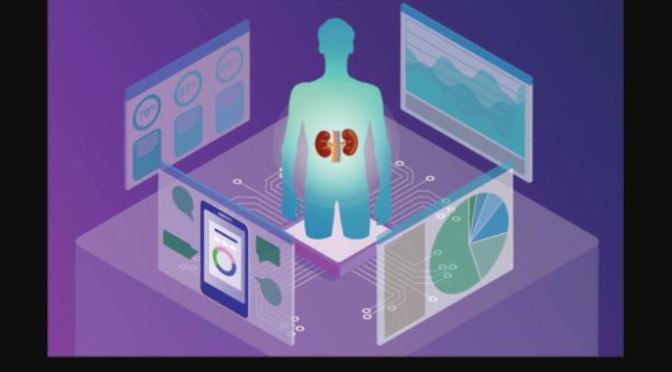
 Smartphone app-based platforms for urine testing could improve adherence to albumin creatinine ratio (ACR) testing. One study showed screening of at-risk patients almost doubled with a home urine test kit that uses a smartphone camera to easily and accurately quantify ACR from a user-performed urine dipstick. If independently validated in a large, diverse population, this low-cost strategy could change the often dim trajectory for individuals with declining kidney function.

 “We were able to show that if you can stop the plasmid from replicating, then most of the bacteria lose the plasmid as the bacteria grow and divide. This means that infections that might otherwise be hard to control, even with the most powerful antibiotics available, are more likely to be treatable with standard antibiotics.”
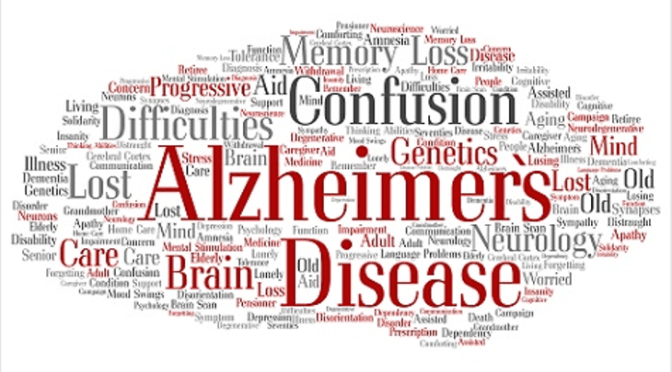
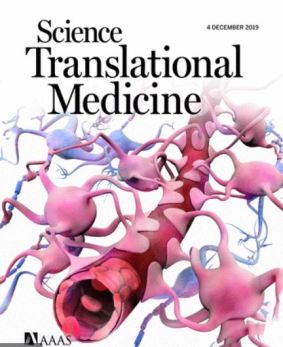 “Amyloid is important in initiating disease, but the actual damage in the brain is probably due to the accumulation of tau,” Holtzman told MedPage Today. “Normally, tau protein is inside cells, but there is more and more evidence suggesting that its spread to different parts of the brain is responsible for the progression of Alzheimer’s disease.”
 “Our data showed that rates of accelerating blood pressure elevation were significantly higher in women than men, starting earlier in life,” said Cheng, the Erika J. Glazer Chair in Women’s Cardiovascular Health, who also serves as director of Cardiovascular Population Sciences at the Barbra Streisand Women’s Heart Center. “This means that if we define the hypertension threshold the exact same way, a 30-year old woman with high blood pressure is probably at higher risk for cardiovascular disease than a man with high blood pressure at the same age.”
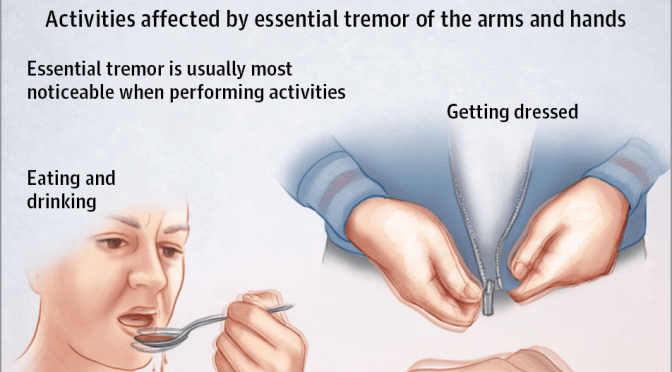
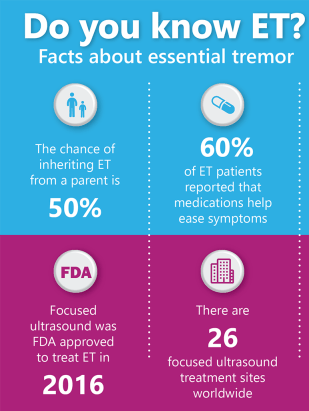 Essential tremor is a common movement disorder
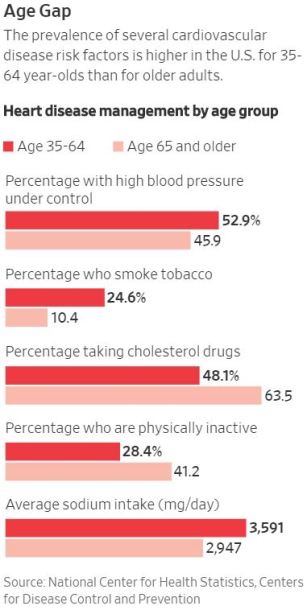 Death rates from cardiovascular disease among people between the ages of 45 and 64 are rising in cities all across the country, including in some of the most unlikely places.
 Boomers Daily