

 Researchers have run numerous military-style simulations to predict the consequences of fictitious viral outbreaks. We discuss how these simulations work, what recommendations come out of them and if any of these warnings have been heeded.
24:08 One good thing
Our hosts pick out things that have made them smile in the last week, including audience feedback, the official end of the Ebola outbreak in the northeastern Democratic Republic of the Congo, and an enormous t-shirt collection.
News: World’s second-deadliest Ebola outbreak ends in Democratic Republic of the Congo
28:50 The latest coronavirus research papers
Benjamin Thompson takes a look through some of the key coronavirus papers of the last few weeks.



 We take a look back over the past six months of the pandemic, and discuss how far the world has come. It’s been a period of turmoil and science has faced an unprecedented challenge. What lessons can be learned from the epidemic so far to continue the fight in the months to come?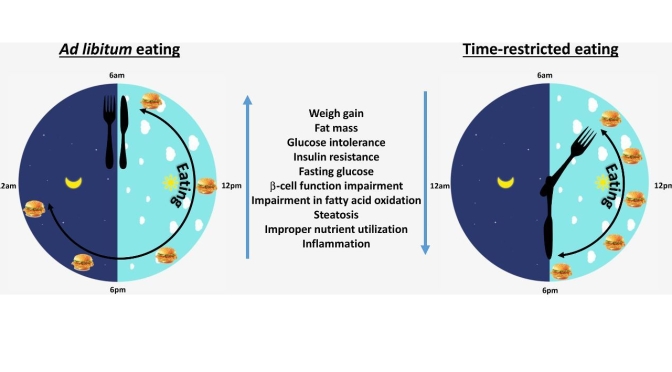
 …the beneficial effects of TRE are dose dependent, with greater reductions in body weight, fat mass, and improvement in glucose tolerance when a 9-h protocol was implemented versus 12 and 15 h. The optimal TRE time frame to recommend for people has not been tested. Clear improvements have been noted after 6-, 8-, 9-, and 10-h protocols. It is likely that the greater time restriction would result in greater weight losses, which may maximize the metabolic benefits.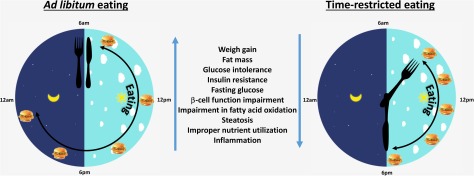

 The consensus among economists is that the U.S. recovery will most likely be something in between a V and a W — a sharp drop, a relatively small bounce back, and then a long period of slow growth.

 Boomers Daily