
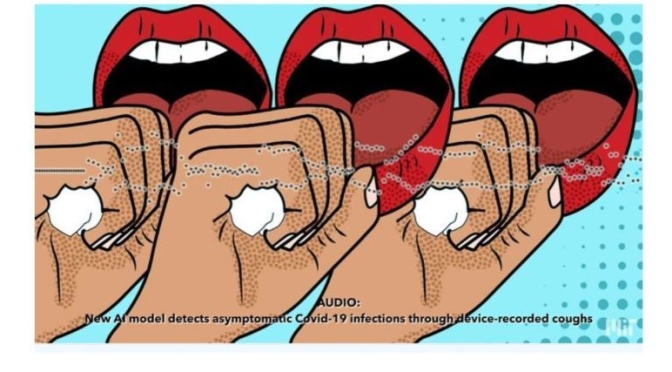
A team of MIT researchers have developed an AI model that can distinguish asymptomatic people with Covid-19 from healthy individuals without the disease through forced-cough recordings. (Learn more: http://news.mit.edu/2020/covid-19-cou…
Category Archives: Health

Pfizer’s Covid-19 Vaccine Is 90% Effective, But Has Storage & Shipping Issues
Work to distribute Pfize and BioNTech’s COVID-19 vaccine is gearing up but it won’t hit local pharmacies for the general public any time soon.

Covid-19 Podcasts: ‘Costs Of A Winter Lockdown To Take Cases To Zero’

Countries like the United Kingdom and France are locking down amid a spike in cases. They’re concerned that winter will only make things worse. But if Europe and America want to see an example of how well lockdowns work during colder months, they need only look at Melbourne, Australia.
The country’s second-largest city went through two lockdowns – one of which happened during its winter. Remarkably, the city has reported no new cases since late October. But, Jason Gale reports, it has come at a cost.
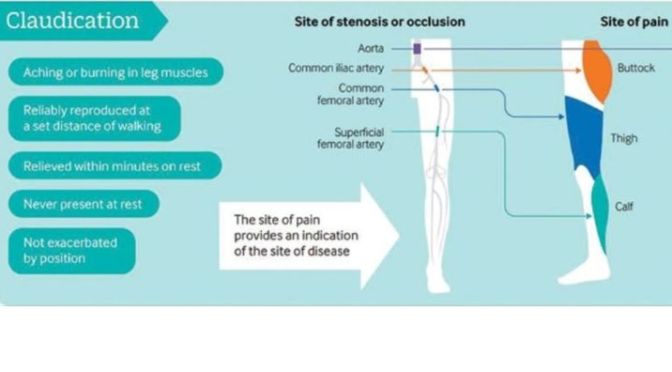
Infographic: Exercise For ‘Claudication’ (BMJ Study)
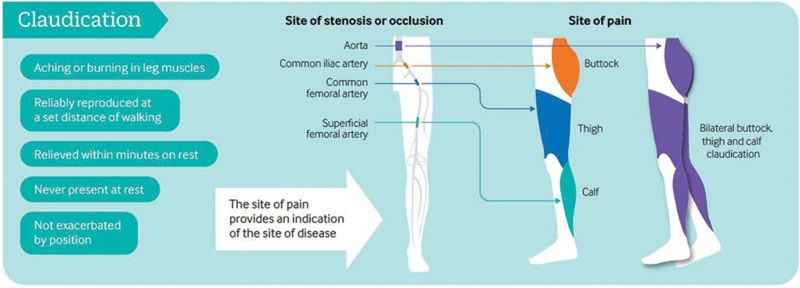
Exercise training is a safe, effective and low-cost intervention for improving walking ability in patients with IC. Additional benefits may include improvements in QoL, muscle strength and cardiorespiratory fitness. Clinical guidelines advocate supervised exercise training as a primary therapy for IC, with walking as the primary modality.
However, evidence is emerging for the role of various other modes of exercise including cycling and progressive resistance training to supplement walking training. In addition, there is emerging evidence for home-based exercise programmes. Revascularisation or drug treatment options should only be considered in patients if exercise training provides insufficient symptomatic relief.
Abstract
Peripheral artery disease (PAD) is caused by atherosclerotic narrowing of the arteries supplying the lower limbs often resulting in intermittent claudication, evident as pain or cramping while walking. Supervised exercise training elicits clinically meaningful benefits in walking ability and quality of life. Walking is the modality of exercise with the strongest evidence and is recommended in several national and international guidelines. Alternate forms of exercise such as upper- or lower-body cycling may be used, if required by certain patients, although there is less evidence for these types of programmes. The evidence for progressive resistance training is growing and patients can also engage in strength-based training alongside a walking programme. For those unable to attend a supervised class (strongest evidence), home-based or ‘self-facilitated’ exercise programmes are known to improve walking distance when compared to simple advice. All exercise programmes, independent of the mode of delivery, should be progressive and individually prescribed where possible, considering disease severity, comorbidities and initial exercise capacity. All patients should aim to accumulate at least 30 min of aerobic activity, at least three times a week, for at least 3 months, ideally in the form of walking exercise to near-maximal claudication pain.
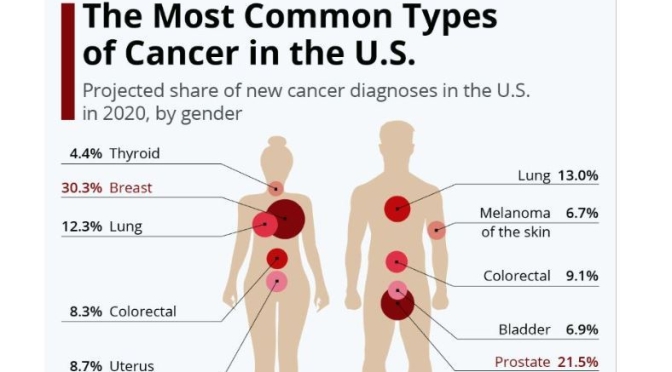
Infographic: ‘The Most Common Types Of Cancer’


Covid-19 Video: ‘Critical Coronavirus-Busting Therapies Explained’
Health experts say having a vaccine is just one front in a two-front battle against COVID-19. The other is effective treatments for those who are already sick with the disease. WSJ breaks down the three most promising types in development.
Photo Illustration: Jacob Reynolds/WSJ.
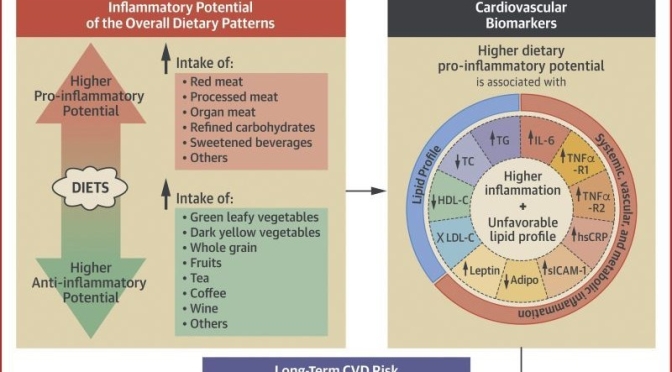
Study: “Anti-Inflamatory” Diet Of Vegetables, Fruits, Coffee & Tea Lowers Heart Disease And Stroke Risks
Dietary patterns with a higher proinflammatory potential were associated with higher CVD risk. Reducing the inflammatory potential of the diet may potentially provide an effective strategy for CVD prevention.

Background
Inflammation plays an important role in cardiovascular disease (CVD) development. Diet modulates inflammation; however, it remains unknown whether dietary patterns with higher inflammatory potential are associated with long-term CVD risk.

Aging Adults: ‘Learning About “End-Of-Life Care” From Grandpa’ (NEJM)

I described another option to Grandpa: he could voluntarily stop eating and drinking. He’d never considered this possibility (which reminded me again how one’s family members and clinicians contribute to inequities in end-of-life care). The option intrigued Grandpa, and during subsequent visits he reinforced his plan to pursue it. I insisted that he first move into my home. I wanted to ensure the quality of his care, knowing that I could enroll him in my health system’s hospice program. But I also wished to test his resolve, reasoning that his mind might change once his isolation ended.

For a month after he entered our home, his spirits were brighter, his gait steadier, and his appetite heartier. He joined my wife, two daughters, and me for dinner each night, typically preceded by a vodka martini that I had stirred for him — a daily pleasure he’d allowed himself for 80 years and had missed as a facility resident. He’d tell stories of the Navy, his career, and his family history and would regularly quip, “If you keep treating me this well, I might just stick around a while longer!”
But eventually he returned to his goal of hastening death. One night, he said he was ready to stop eating and drinking the next morning, but when morning came, he asked for his usual coffee and bagel. He confided that he was scared. When I asked of what, he replied, “It’s like trying to roller skate. I’m scared of starting. Though I know that once I do, I’ll probably roll.”
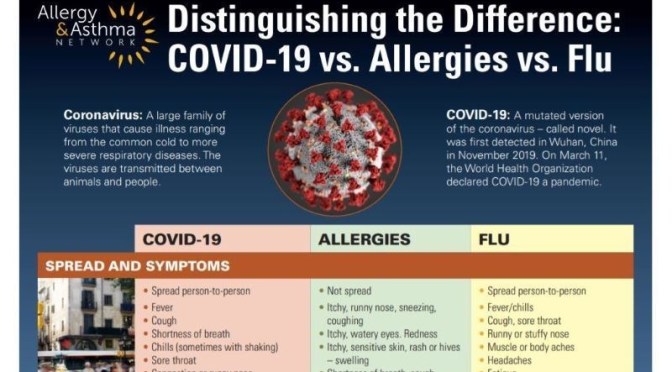
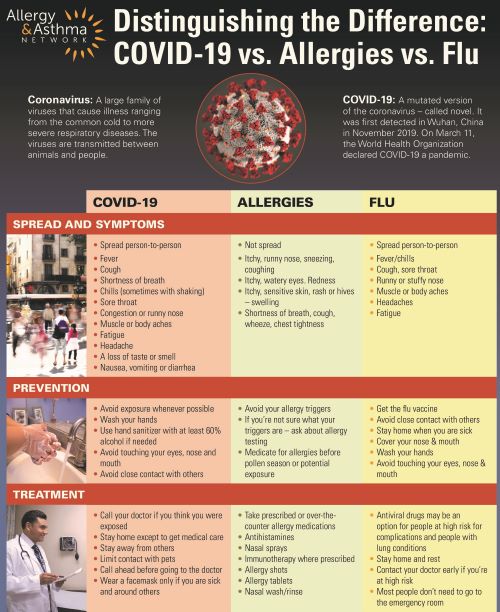
Infographic: ‘Differences Between COVID-19, The Flu And Allergies (2020)


Future Of Hospitals: ‘The New Pavilion At Penn Medicine – 2021’ (Video)
The new Pavilion at Penn Medicine will be one of the most state-of-the-art patient care facilities in the world when it opens in 2021.
 Boomers Daily