

Category Archives: Health

Covid-19 Podcast: Death Rates Are Falling – What This Means For Pandemic
The COVID-19 mortality rate is falling around the world. We discuss the reasons behind this – the role of new drugs, the treatment strategies the have been learned, or re-learned, and the ever-present worry that these hard won victories could be undone by rising infection rates.
In this episode:
00:44 An increase in survival rates
The COVID-19 mortality rate is falling around the world. We discuss the reasons behind this – the role of new drugs, the treatment strategies the have been learned, or re-learned, and the ever-present worry that these hard won victories could be undone by rising infection rates.
News Feature: Why do COVID death rates seem to be falling?
10:53 More vaccine good news
This week, Moderna released preliminary results for its COVID-19 vaccine candidate, the third positive indication from a string of vaccine announcements. Although the full data are yet to be published, do these results give us more reasons to feel hopeful?
News: COVID vaccine excitement builds as Moderna reports third positive result

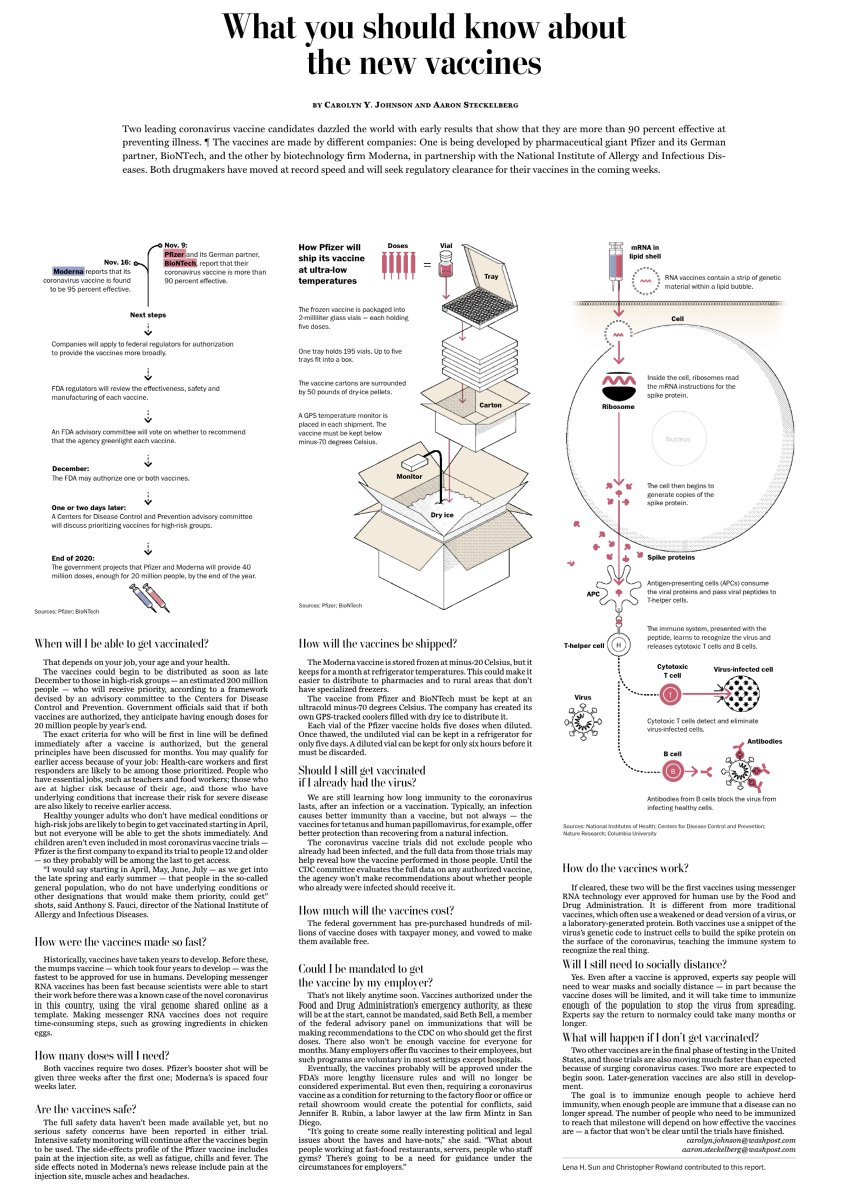
Covid-19: What To Know About The New Vaccines

Health: Covid-19 Vaccine Threatened By Mistrust Of Science & Politicians
A vaccine for covid-19 could be rolled out before the end of the year. But a worrying rise in mistrust of vaccines threatens its effectiveness. Now & Next is a series from The Economist Films: https://films.economist.com/nowandnext/

Health & Nature: ‘How Bats Can Transmit Viruses’
When it comes to viruses jumping from animals to humans, bats hold a unique place in the transmission chain. Christopher Golden and James Longman investigate an abandoned mine for signs of poaching or viruses impacting the bat population.

Covid-19 News: How ‘Moderna’s mRNA-1273 Vaccine’ Works (Video)
Early data from US biotech Moderna has revealed that its Covid-19 vaccine candidate is 94.5 per cent effective, raising hopes that a range of immunisations will be available to help end the pandemic. The interim analysis of the vaccine, currently known as mRNA-1273, comes after 95 trial participants contracted Covid-19, including just five who were given the coronavirus jab. While the data was published via a press release, it includes significant details that remain unclear around the Pfizer-BioNTech vaccine – which uses the same mRNA technology to target the coronavirus spike protein and an immune response.
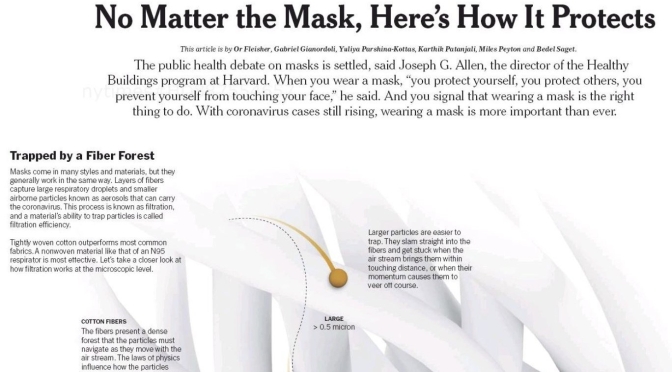
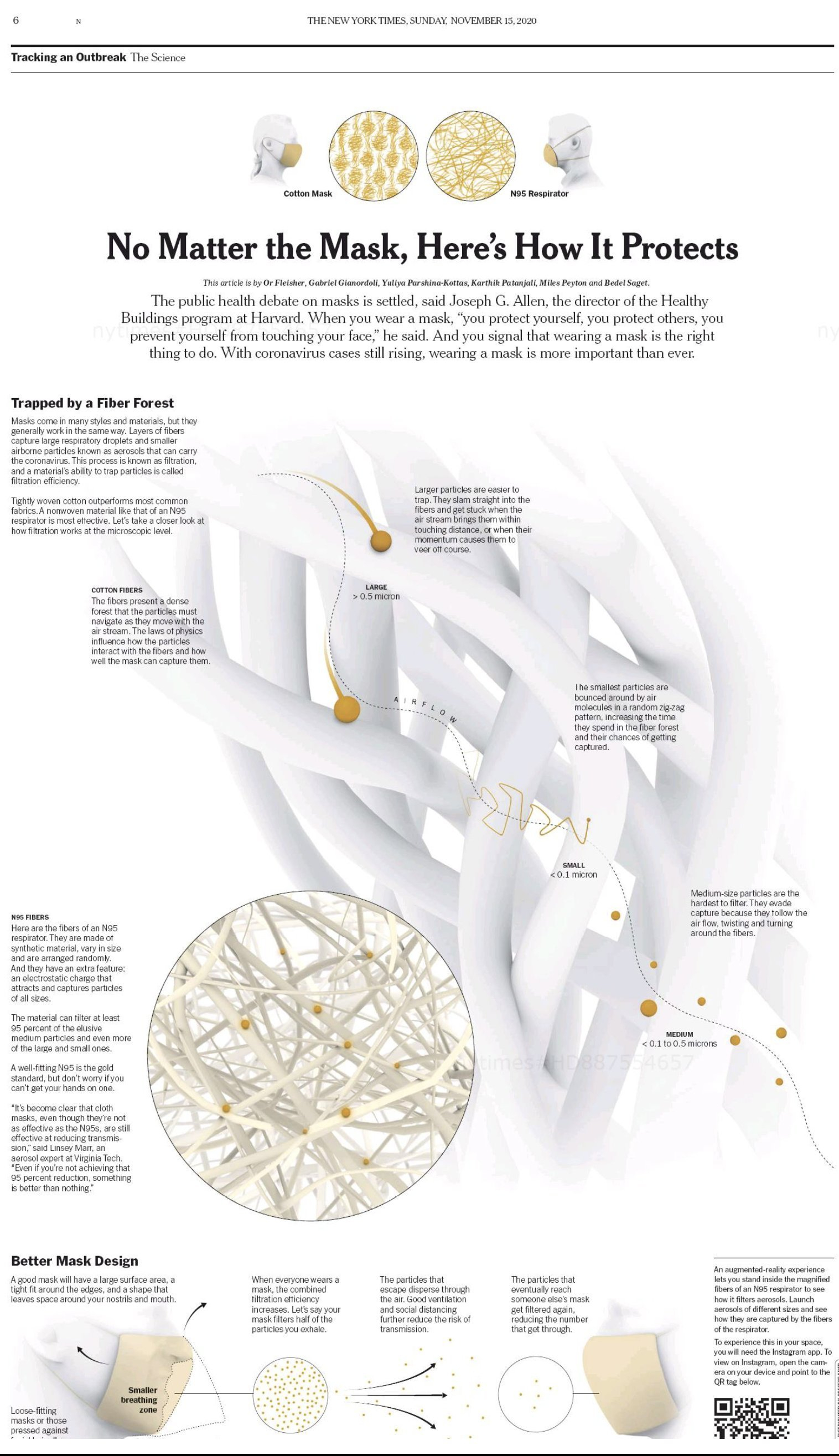
Infographic: ‘The Science Of How Masks Protect’
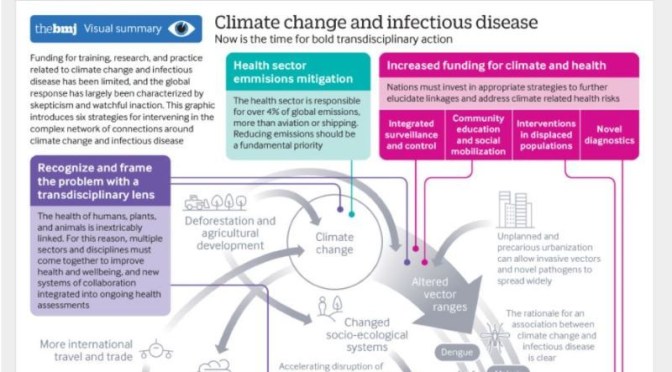
Health: ‘A Changing Climate, Changes Disease’
In recent decades, the worldwide burden of infectious disease has fallen, thanks to sanitation, hygiene, and prevention and control efforts. But the covid-19 pandemic shows how great a threat to global health remains – particularly as the climate crisis continues to affect disease spread and our response in myriad ways. Increasing temperatures are expanding the areas where diseases such as malaria and dengue thrive. More flooding and drought increases disease risk. Hygiene requires access to clean water. Further urbanization and migration related to climate change will also complicate prevention and control. The BMJ has published “The time is now” collection, calling for the strengthening of the global response to climate change and communicable disease. https://www.bmj.com/communicable-dise…
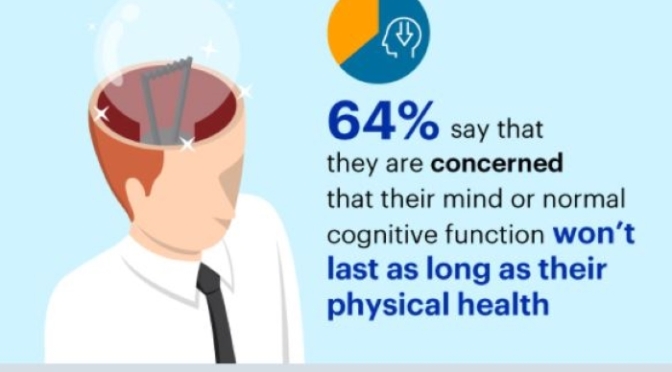
Infographic: Americans Feel ‘Old’ At 47, Fear Aging And Cognitive Decline


Retirement: Medicare, Medigap & Part D – Seniors Find Choices “Dizzying”
If you’re enrolled only in original Medicare with a Medigap supplemental plan, and don’t use a drug plan, there’s no need to re-evaluate your coverage, experts say. But Part D drug plans should be reviewed annually. The same applies to Advantage plans, which often wrap in prescription coverage and can make changes to their rosters of in-network health care providers.
“The amount of information that consumers need to grasp is dizzying, and it turns them off from doing a search,” Mr. Riccardi said. “They feel paralyzed about making a choice, and some just don’t think there is a more affordable plan out there for them.”
Is there another way?

When creation of the prescription drug benefit was being debated, progressive Medicare advocates fought to expand the existing program to include drug coverage, funded by a standard premium, similar to the structure of Part B. The standard Part B premium this year is $144.60; the only exceptions to that are high-income enrollees, who pay special income-related surcharges, and very low-income enrollees, who are eligible for special subsidies to help them meet Medicare costs.
“Given the enormous Medicare population that could be negotiated for, I think most drugs could be offered through a standard Medicare plan,” said Judith A. Stein, executive director of the Center for Medicare Advocacy.
“Instead, we have this very fragmented system that assumes very savvy, active consumers will somehow shop among dozens of plan options to see what drugs are available and at what cost with all the myriad co-pays and cost-sharing options,” she added.
Advocates like Ms. Stein also urged controlling program costs by allowing Medicare to negotiate drug prices with pharmaceutical companies — something the legislation that created Part D forbids.
 Boomers Daily