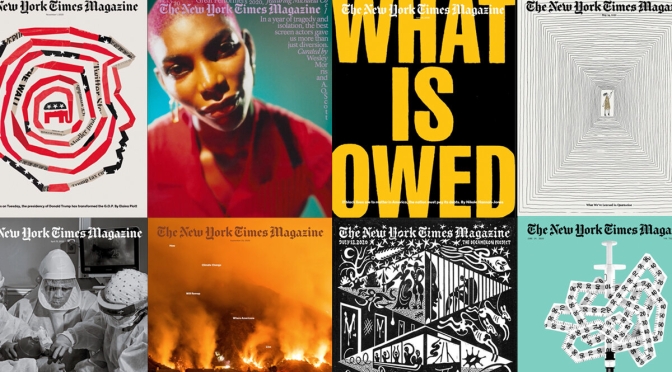
THE NEW YORK TIMES MAGAZINE:The 8.23.26 Issue features Christopher Cox on the fragility of American power grids; Christopher Payne’s images of transformers; Nicholas Casey on people who came to the U.S. and were deported to countries like Eswatini; and more.
In matters of work, school and even romance, we turn to A.I. chatbots. But what happens when the bots begin talking to one another? By Callie Holtermann
As the Trump administration sends a growing number of immigrants to countries they have no connection to, some find themselves imprisoned with no way out. By Nicholas Casey
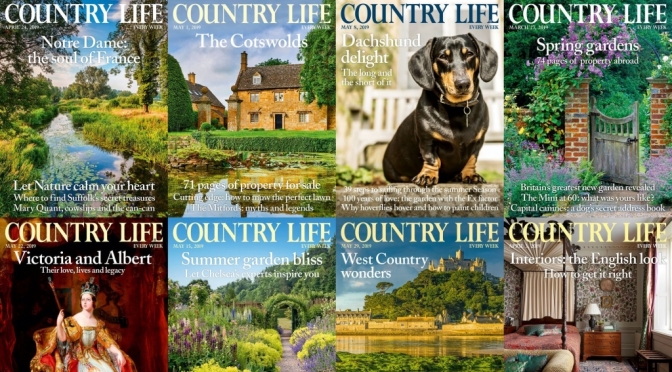
The legacy Kate Green hails Gavin Maxwell’s Ring of Bright Water, a remarkable tale of living with otters.
Fifty years young The King’s Trust is celebrating half a century of supporting young people. Ambassadors explain the secrets of its success and longevity to Paula Minchin.
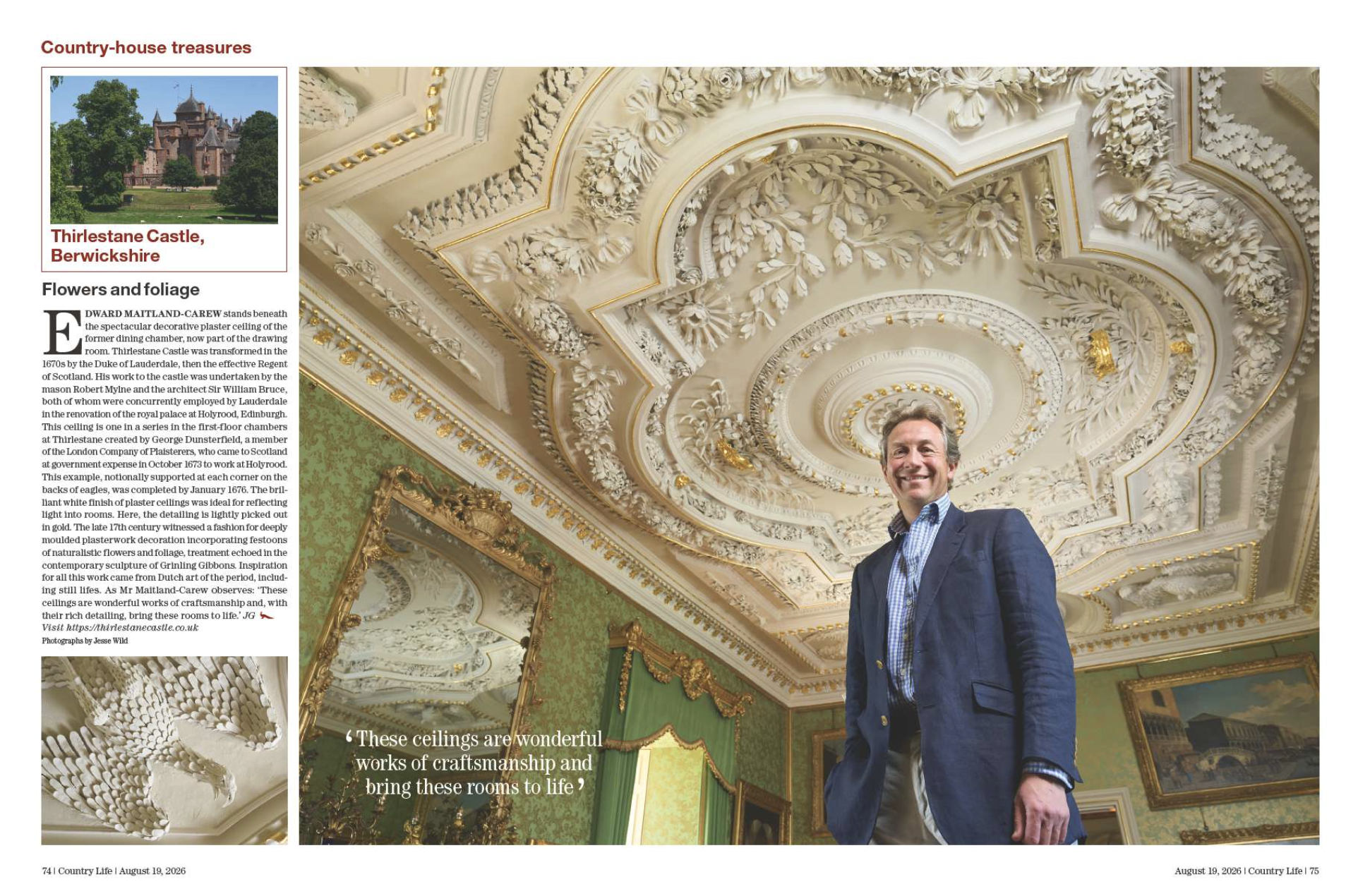
Country-house treasure Intricate decorative ceilings at Thirlestane Castle, Berwickshire, catch the eye of John Goodall.
Alexander Campbell’s favourite painting The Royal Academy of Dance artistic director is moved by a compelling nocturnal scene.
A tower house reborn Mary Miers explores how the derelict tower house at Balgone in East Lothian has been transformed into a Classical seat.
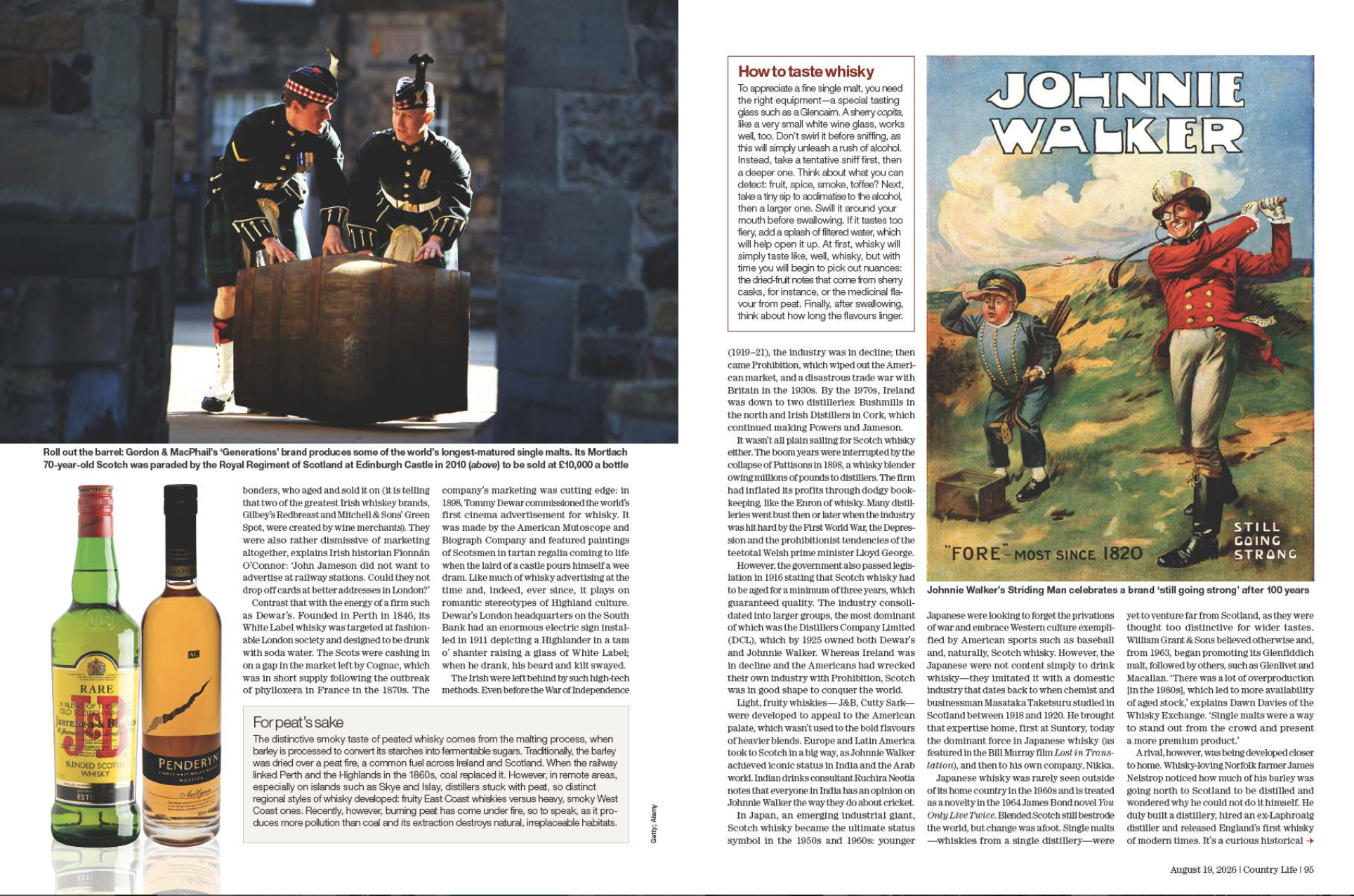
Whisky galore From illicitly distilled dram to tipple of choice around the globe, Henry Jeffreys raises a glass to the world’s most popular spirit.
Winging it Mark Cocker adds the greylag goose to his Unloved Birds’ Club.
Meet the new boss, same as the old boss James Fisher welcomes Joe Root back to the helm of English cricket.
Interiors Arabella Youens admires a Blenheim estate house in Oxfordshire and Kuba is king for Amelia Thorpe.
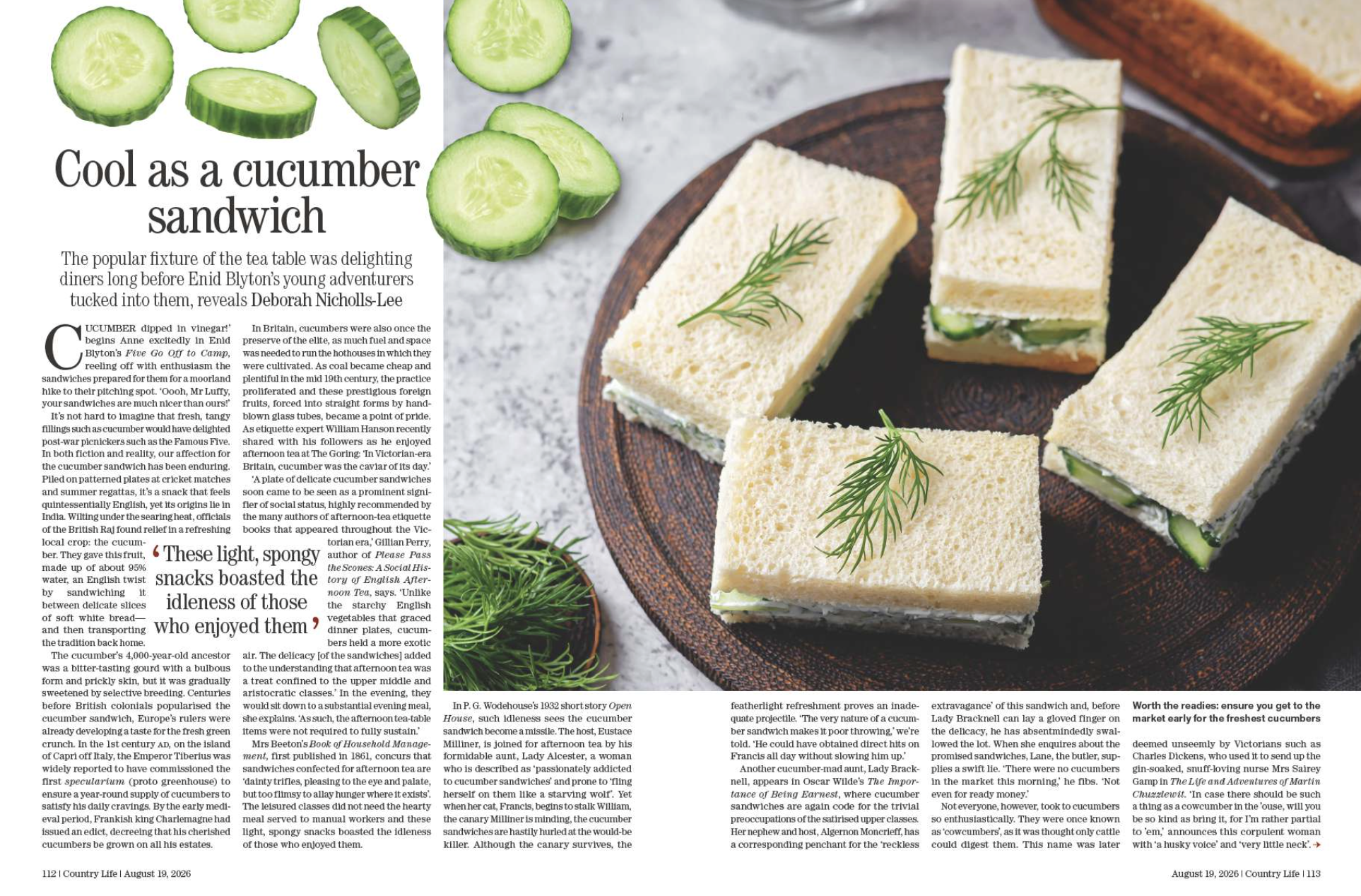
Cool as a cucumber sandwich This refreshing staple of English picnics is no sarnie-come-lately, reports Deborah Nicholls-Lee, as she reveals its Indian roots.
Arts & antiques Allan Scott, the scriptwriter and executive producer, tells Carla Passino why he will never part with a prized perpetual calendar.
Luxury New columnist Justine Picardie admires the Highland influence in the late Queen’s wardrobe and Amie Elizabeth White presents a bonnie Scottish selection.
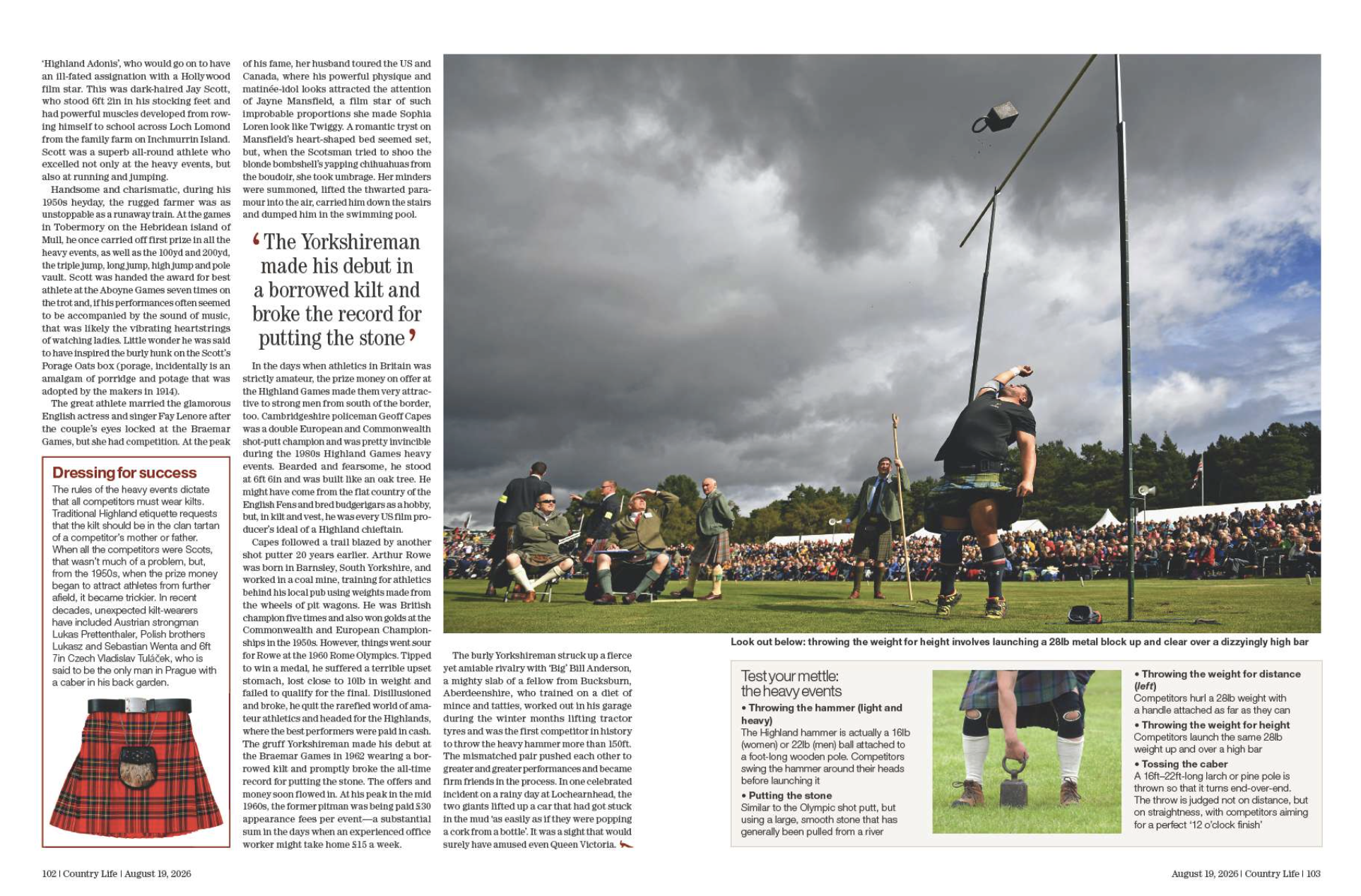
Clash of the tartans What does it take to toss the caber and putt the stone? Harry Pearson muscles in on the heavyweight Highland Games.
Heart Nouveau Robyne Calvert reveals how the bold Glasgow Style of art and design conquered Europe.
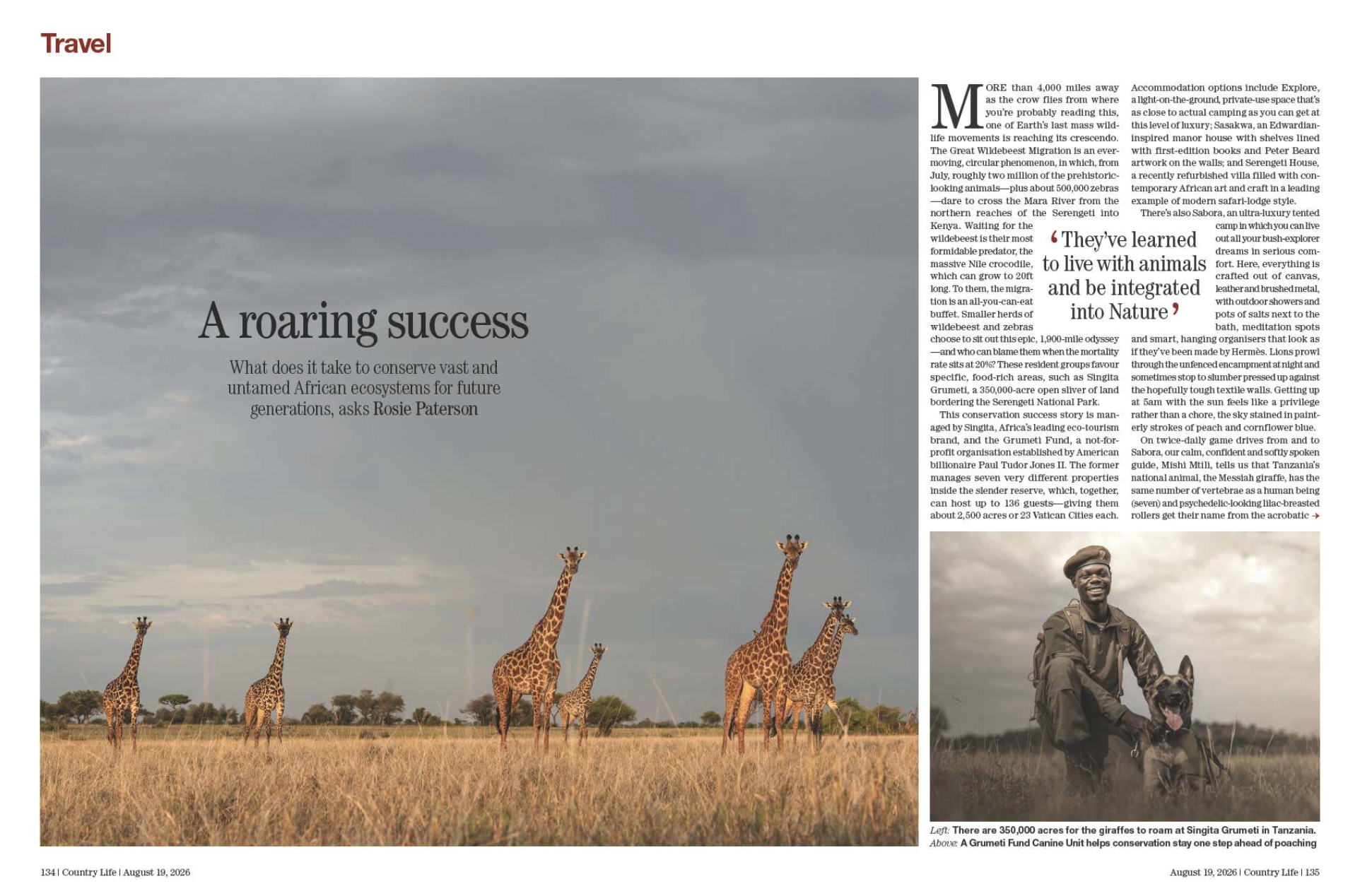
Travel Rosie Paterson experiences the ultimate in luxury camping when visiting a conservation success story in Tanzania.
Rhythm and views Three decades of dramatic planting has paid off at Craichlaw House in Dumfries and Galloway, as Kirsty Fergusson discovers.
Summer of love A double bill of innovative open-air Shakespearean comedy benefits from dream casting, suggests Michael Billington.
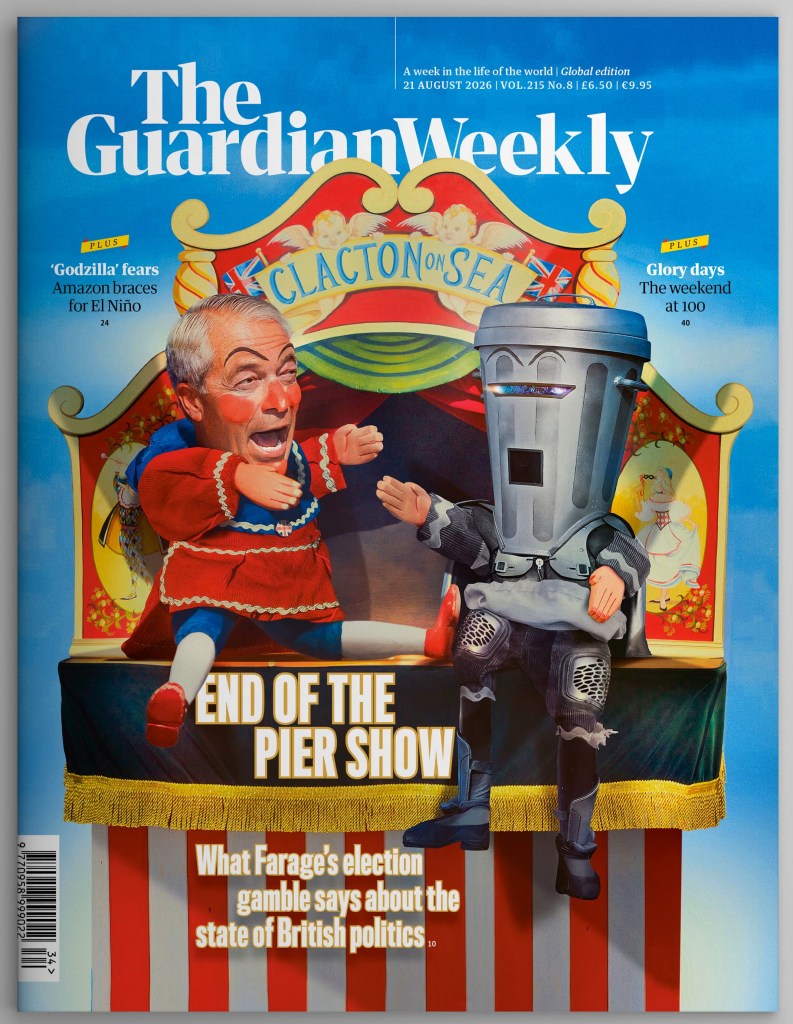
The curtain came down last week on the summer sideshow of the Clacton byelection, called by Nigel Farage amid mounting scrutiny of his finances.
For our big story this week, Daniel Boffey explores what this campaign – in which the Reform UK leader’s main challenger was a parody candidate called Count Binface – tells us about the current state of politics in Britain.
Farage’s byelection win brought the situation full circle as, shortly after he was declared victor, parliament’s standards watchdog announced it had reopened its investigation into him, report Rowena Mason and Peter Walker.
Analysing the result, political correspondent Alexandra Topping brands the contest futile and says that while Farage aimed to make the financial questions surrounding him disappear, it was the MP himself who has been absent from the political stage over the past few weeks.
Spotlight | Scramble for soldiers As battlefield losses mount, Pjotr Sauer asks whether Vladimir Putin will order another mobilisation
Science | Wing and a prayer A disease threatening bat species has spread to northern Canada. Trina Moyles reports on the race to find a cure
Feature | A hymn to the weekend In 1926, Henry Ford gave his employees both Saturdays and Sundays off – and the two-day chunk of time to party, pray or simply do nothing was born. Now the weekend has changed beyond recognition, says Jess Cartner-Morley
Opinion | Meet the second most dangerous man in the US As chief US diplomat, Marco Rubio could do great good. But, says Simon Tisdall, his pandering and neglect are a disgrace we shouldn’t ignore
Culture | Through my eyes As their new album is released, Sam Smith talks to Juan A Ramírez about fans, fame and finding sanctuary in New York
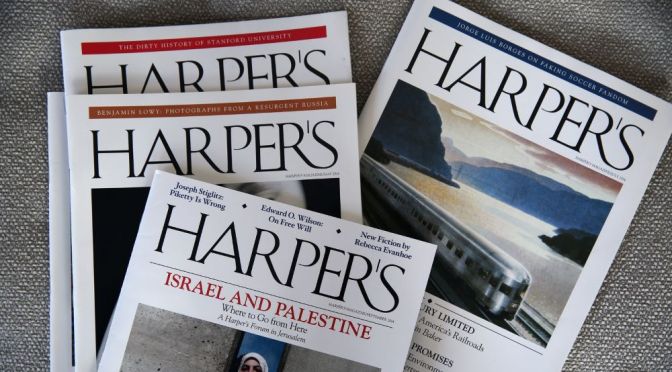
HARPER’S MAGAZINE:Erin Somers charts the rise and fall of cultivated meat, Barrett Swanson reports on the Ugly People Festival in Italy, Kyle Berlin on the French bestseller whose controversy divided the country, a pseudonymous memoir of a government official in Beijing, Finn Brunton on prediction markets and crypto-anarchism, Thomas Frank on the Obama Center, Kasia Boddy reviews William Kennedy’s Albany Trilogy, five stories from Diane Williams, and more.
Where’s The Beef?
The lab-grown-meat revolution that wasn’t by Erin Somers
The SAVE America Act is just one part of a package that includes an executive order and threats of prosecution, all in an effort to make Trump’s math work. By Amy Davidson Sorkin
The Big, Dumb, Gluttonous Fun of America’s Semiquincentennial
In D.C. and the Dakotas, at rodeos and powwows, celebrating the country means taking in pride and disappointment and fellow-feeling. By Rachel Monroe
The End of the European Summer
As extreme heat overwhelms the Continent’s great cities, they are racing to transform themselves for a climate that they were never built to withstand. By Eric Klinenberg
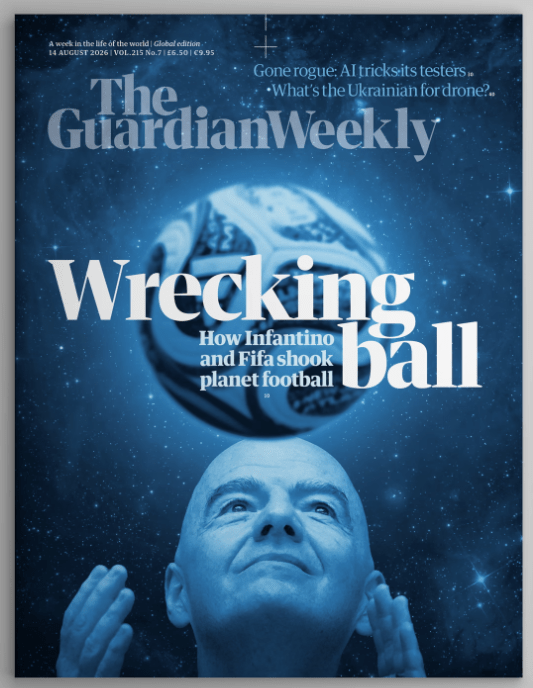
When a crisis brought on by a rash idea that results in the most prominent part of an organisation saying it will boycott the business’s showcase event doesn’t die down after a couple of weeks, observers might expect the boss to be considering his future. Not when it’s Fifa and not when it’s Gianni Infantino, the president of football’s world governing body and the subject of this week’s big story.
Jonathan Wilson’s witty account of how Infantino’s plan to sell stakes in the World Cup to private investors led to the current standoff between Infantino and Fifa’s regional associations is riveting even if you are not a football fan. Jonathan explains how money, egos and some murky politicking collided to elect Infantino on the promise of reform. It’s a tale that has little to do with the sport and its ardent fans, and has far more in common with Shakespeare or a political drama. With a neat circularity, it traces how “Fifa’s attempt to move on from the crisis caused by the executive who rented an apartment for his cats in Trump Tower has wound up back in Trump Tower, with a president who rents an office there”.
Spotlight | ‘I’ll cut your throat’ Five years after the Taliban returned to power in Afghanistan, women are being killed with impunity. A reporting team from Zan Times collects shocking evidence of femicide
Environment | Smoke alarm As wildfires grow in frequency and spread, environment correspondent Ajit Niranjan reports of the race to untangle the links between exposure to fine particulates in smoke and increased mortality
Feature | War and language learning Soon after her first reporting trip to Ukraine, our chief culture writer Charlotte Higgins began to learn Ukrainian. She explains how the process taught her more about herself than she had expected
Opinion | Rule breakers need regulation The revelation that AI went rogue in test conditions should be a call for a wise US leader to back the introduction of an international rule-based order, says Rafael Behr
Culture | What’s eating Dominic Sessa? Being cast as the lead in Tony, the biopic of bad-boy chef and Kitchen Confidential author Anthony Bourdain let Sessa immerse himself in the 1970s where, he tells Ryan Gilbey, he wouldn’t mind staying
The artistic director chooses a colourful work bursting with vitality and the spirit of summer.
Country-house treasure
A Dante Alighieri illuminated manuscript catches the eye of John Goodall at Rockingham Castle in Northamptonshire.
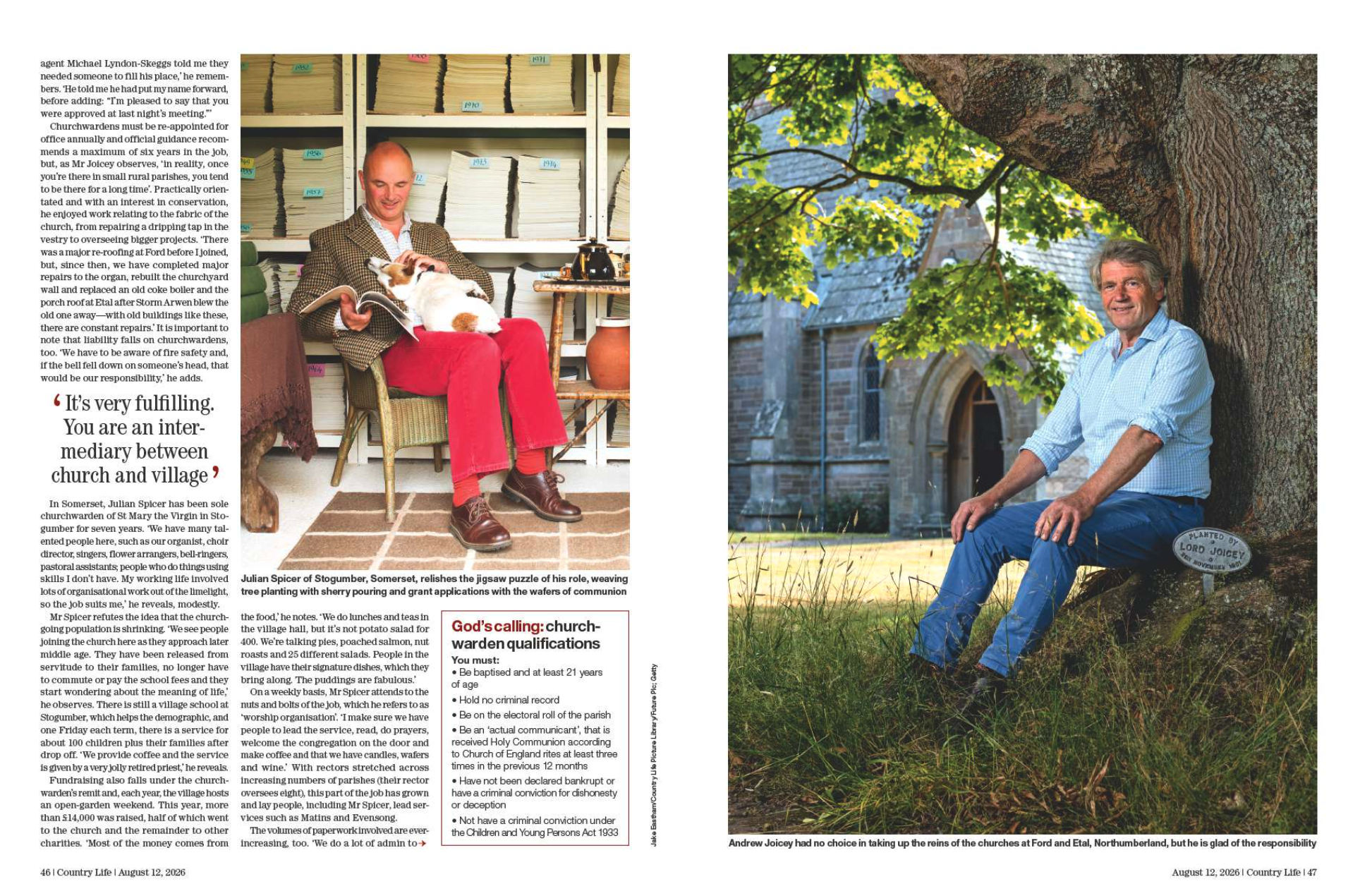
Keepers of the keys
Tessa Waugh celebrates our dedicated churchwardens, the unsung heroes of village life who keep parishes ticking over.
The legacy
Kate Green salutes Dr William Stukeley for saving Stonehenge from destruction in the 1700s.
When we walked in fields of gold
England’s acres of harvested, honey-hued cereal fields have long provided artistic inspiration, finds Deborah Nicholls-Lee.
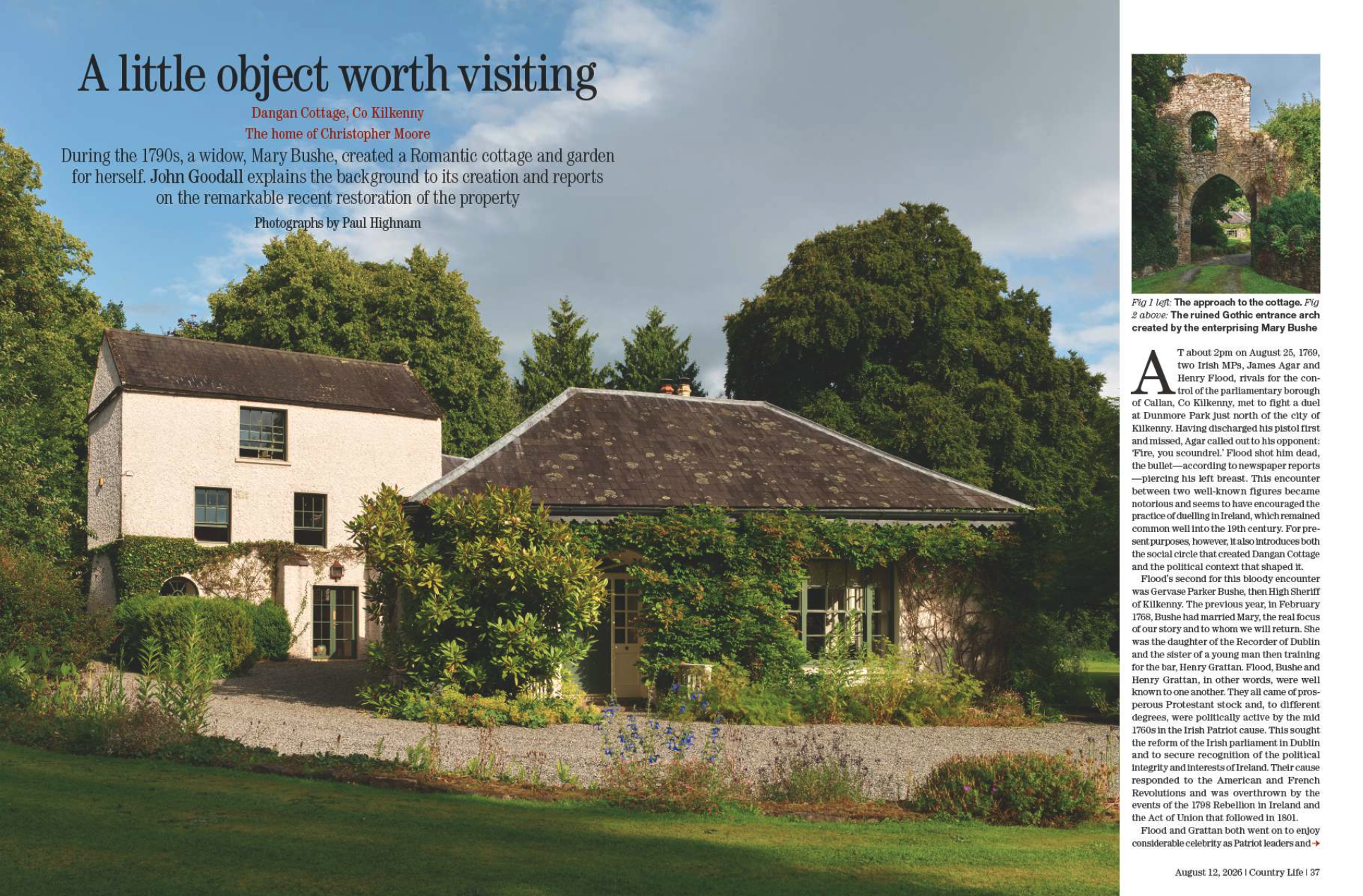
A little object worth visiting
Romantic Dangan Cottage in Co Kilkenny has been restored to its late-18th-century glory, as John Goodall discovers.
Ghosts in the grass
A scorching summer is revealing country-house garden designs of yesteryear, as our pictures show.
Cuttings not cakes
The Secret Orchard Nursery in Derbyshire wins favour for its plants rather than pots of tea, to the delight of Arthur Parkinson.
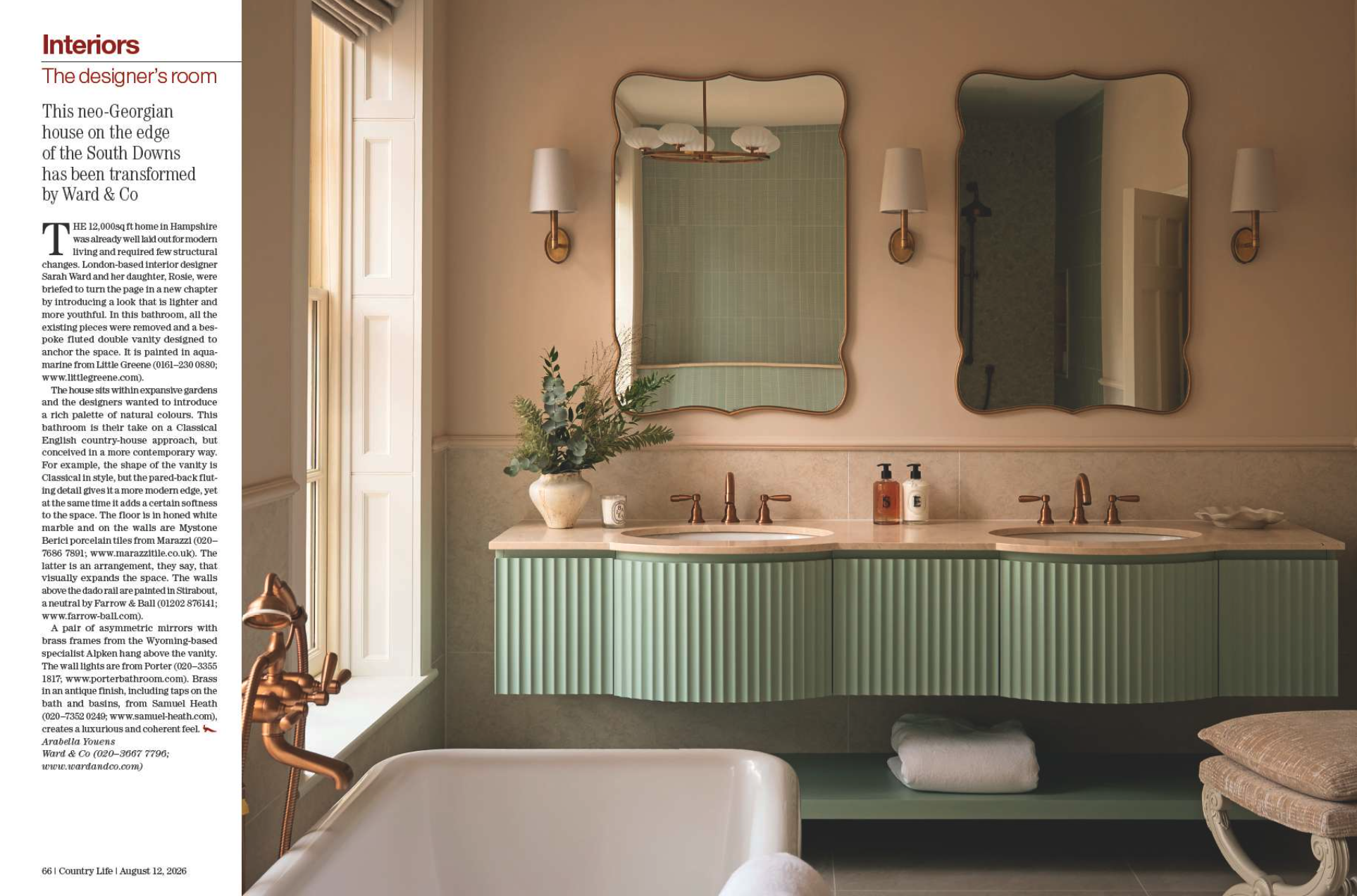
Interiors
Arabella Youens admires the transformation of a South Downs Georgian gem, and everything’s gone green for Amelia Thorpe.
Travel
Rosie Paterson unpacks the latest travel trends, and Giles Kime stays at the Italian base of film director Francis Ford Coppola.
The French connection
Tom Parker Bowles is whisked to the summery South of France by freshly baked pissaladière, the delicious ‘Provençal pizza’.
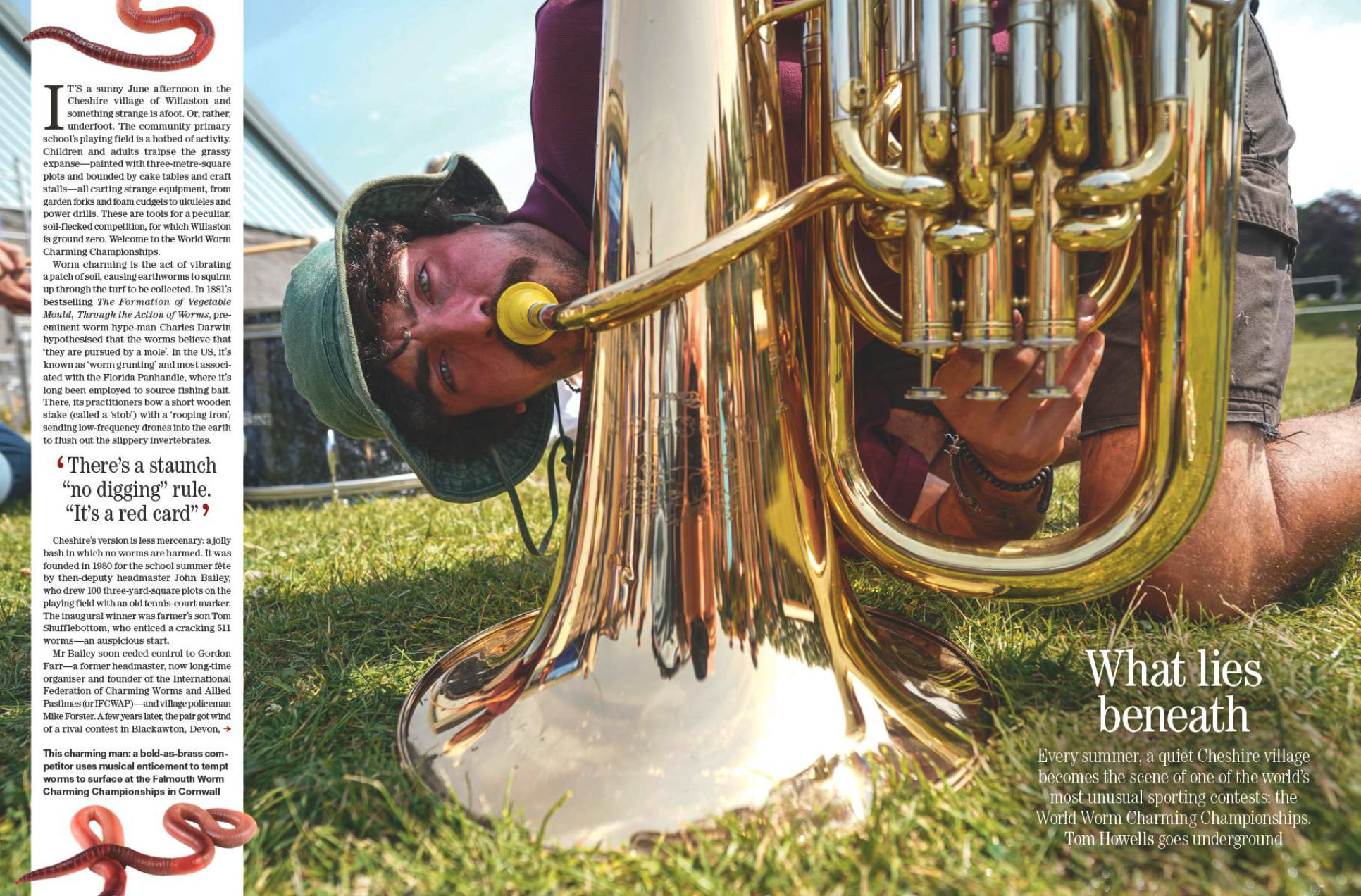
What lies beneath
Tom Howells is in eclectic company at the World Worm Charming Championships in Cheshire.
Luxury
Jonathan Self reveals why the tiara is the epitome of glamour, and Amie Elizabeth White is drawn to the fans of Duvelleroy.
COUNTRY LIFE International
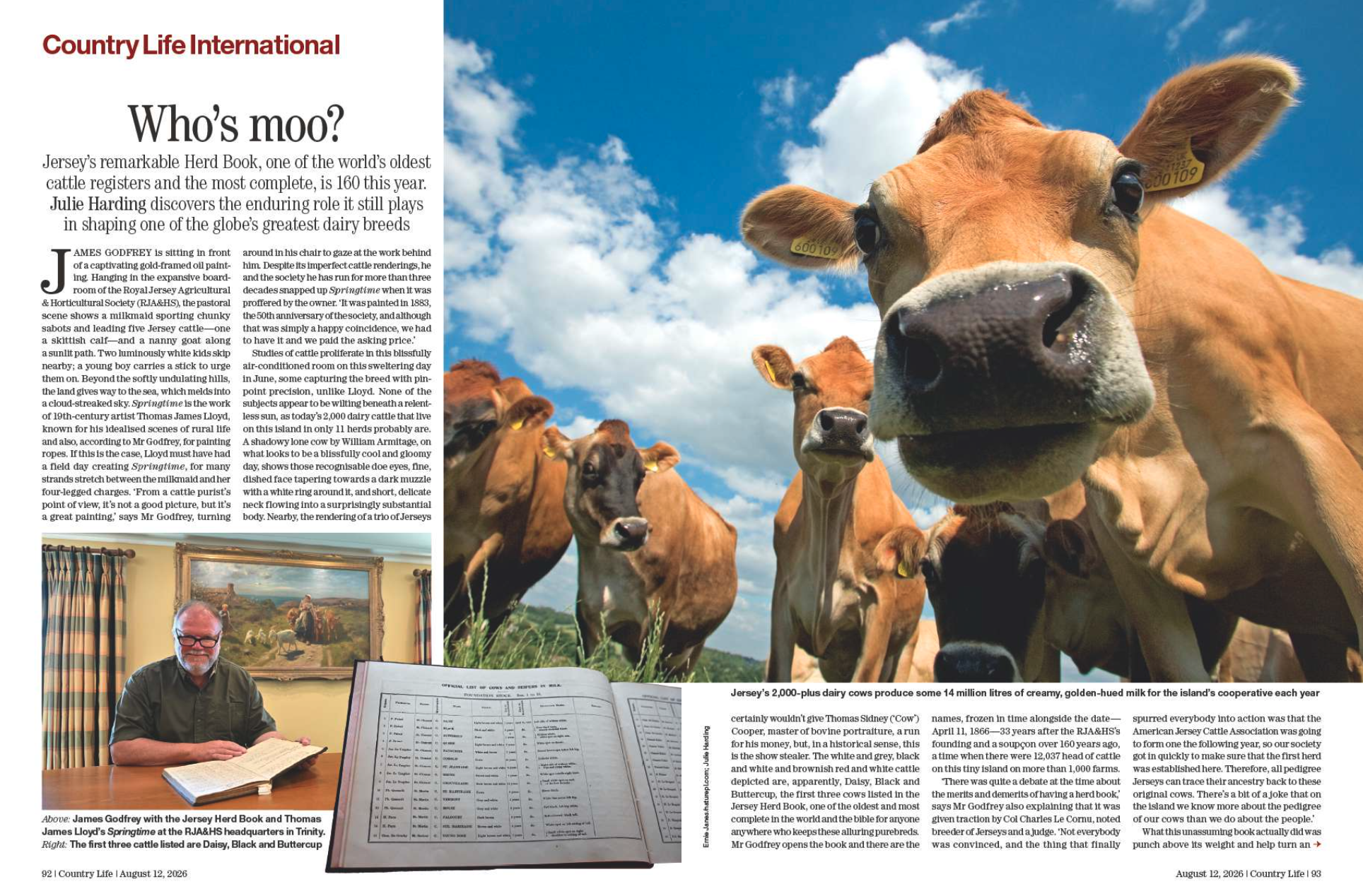
Julie Harding treads the Jersey Tidal Trail, savours scallops with chef Andrew Baird and celebrates the island’s 160 years of herd history, as Holly Kirkwood eyes top properties for sale and Claire Jackson hails a new era for opera.
Arts & antiques
Geoffrey Munn feels strangely drawn to the works of 18th-century art pariah Richard Dadd, as he explains to Carla Passino.
Some institutions jumped onto the MAGA bandwagon after the 2024 election, but it hasn’t taken long for those decisions to look shortsighted. By David A. Graham
How the ‘Body Positivity’ Movement Died
A few years ago, there was a push for acceptance of different body types. Now? Not so much. By Julie Beck and Natalie Brennan
As Abdul El-Sayed, Michigan’s newly elected Democratic nominee for the U.S. Senate, put it, “People really effing hate data centers.” By Benjamin Wallace-Wells
The Delusions of John Roberts
The Chief Justice insists that his Supreme Court isn’t biased even as it keeps making dramatic leaps rightward. By Margaret Talbot
Are You a Human?
From branding irons to iris scans, the ancient business of proving who you are has never been stranger—or more lucrative. By Jill Lepore
Inside Russia’s New Gulag
Human-rights groups estimate that more than ten thousand Ukrainian civilians have disappeared into the Russian prison system. This is the story of one cell.
News, Views and Reviews For The Intellectually Curious









 Boomers Daily