
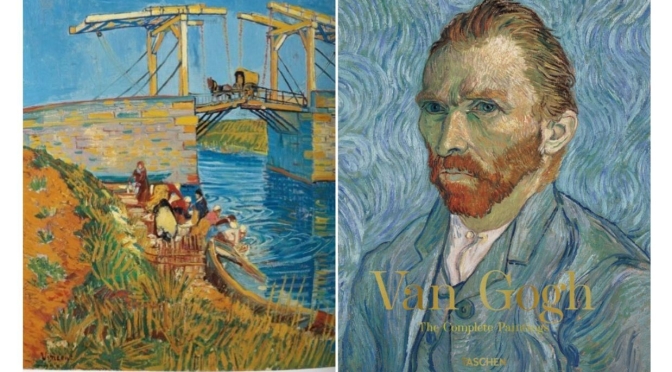
This comprehensive study of Vincent van Gogh offers a complete catalogue of his 871 paintings, alongside writings and essays, charting the life and work of a master who continues to tower over art to this day.
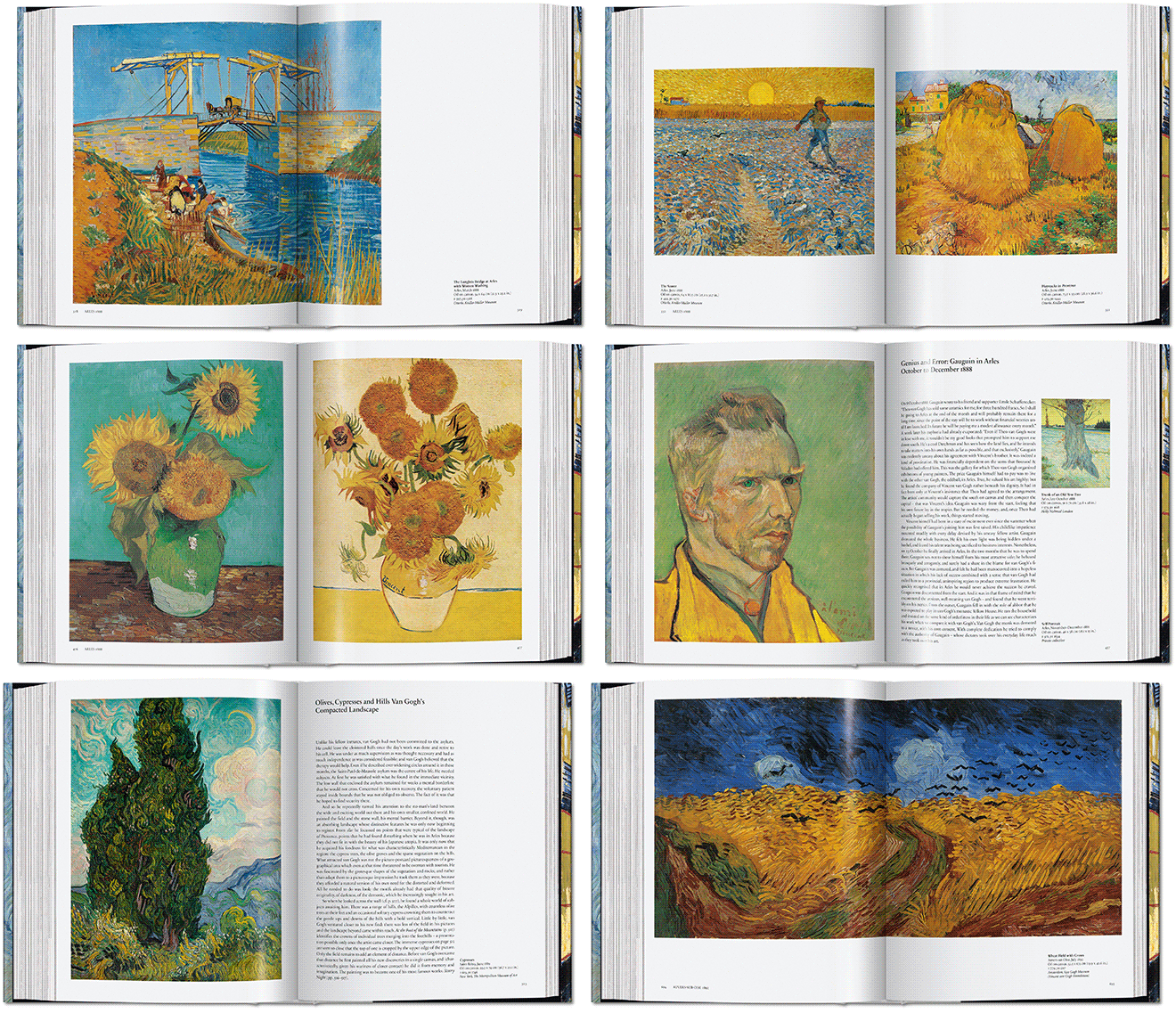
Today, the works of Vincent van Gogh (1853–1890) are among the most well known and celebrated in the world. In paintings such as Sunflowers, The Starry Night, and Self-Portrait with Bandaged Ear, we recognize an artist uniquely dexterous in the representation of texture and mood, light and place.
Yet in his lifetime, van Gogh battled not only the disinterest of his contemporary audience but also devastating bouts of mental illness. His episodes of depression and anxiety would eventually claim his life, when, in 1890, he committed suicide shortly after his 37th birthday.
The authors
Ingo F. Walther (1940–2007) was born in Berlin and studied medieval studies, literature, and art history in Frankfurt am Main and Munich. He published numerous books on the art of the Middle Ages and of the 19th and 20th centuries. Walther’s many titles for TASCHEN include Vincent van Gogh, Pablo Picasso, Art of the 20th Century, and Codices illustres.
Rainer Metzger studied art history, history, and German literature in Munich and Augsburg. In 1994, he earned his Ph.D. on the subject of Dan Graham, and subsequently worked as a fine arts journalist for the Viennese newspaper Der Standard. He has written numerous books on art, including volumes on van Gogh and Chagall. Since 2004, he has worked as Professor of art history at the Academy of Fine Arts in Karlsruhe.

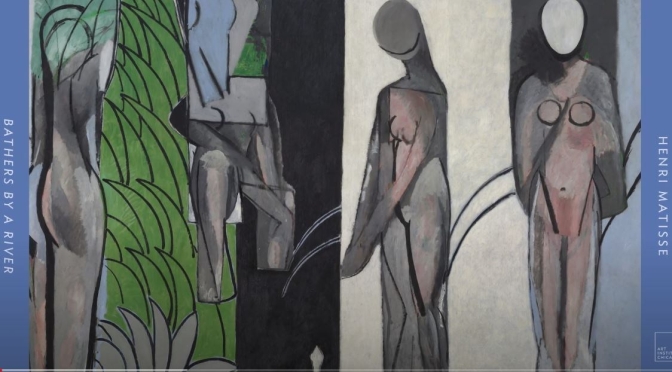

 Japanese artist


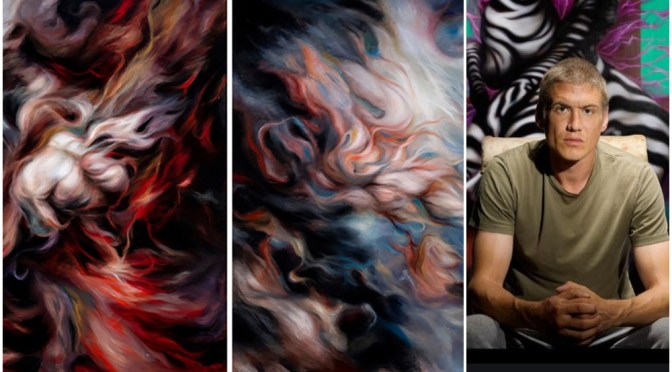
 Formally trained as a classic painter, British artist Hugo Wilson borrows images and techniques from Old Masters to create dramatic new works.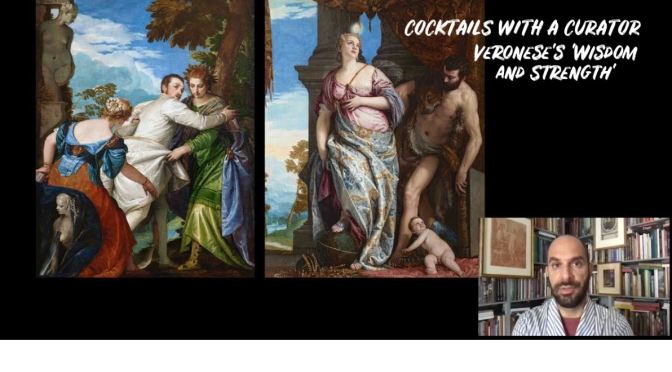
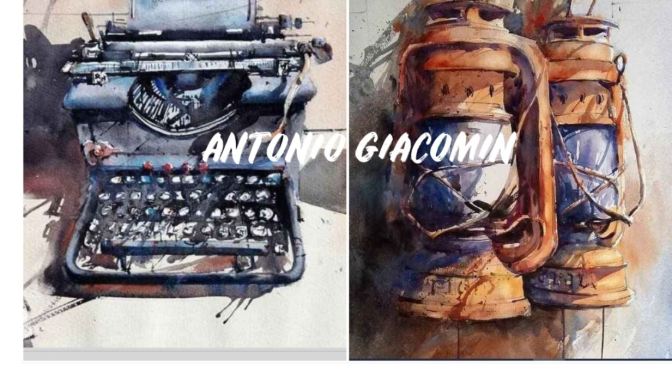
 was born in Serra Gaúcha, where, in 1980, he started in the universe of painting. It was to improve in the United States, Mexico and Europe. In 2007, he launched the book “Poesias em Aquarela”, an inventory of thematic images resulting from trips undertaken in various regions of Rio Grande do Sul.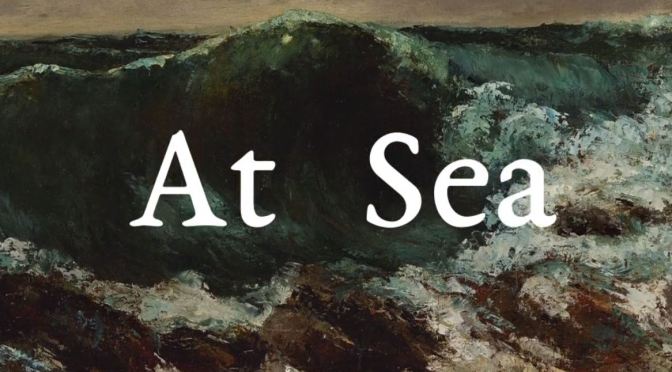

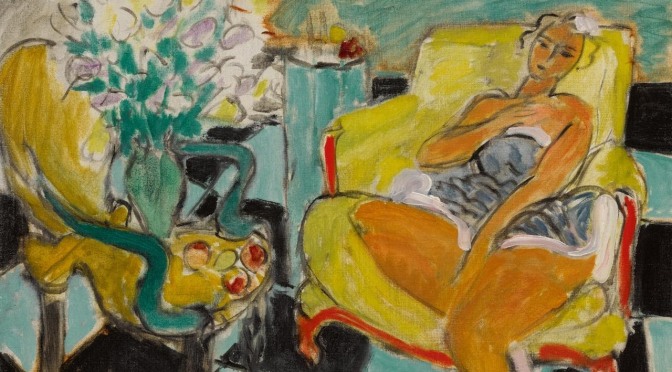
 Unseen since 1949 and set to appear at auction for the first time, this beautiful work is a quintessential example of Henri Matisse’s sensuous odalisques. The elegant model is Italian countess Carla Avogadro, reclining on an extravagant Venetian Rococo armchair that Matisse bought on a whim and, in his own words, became “obsessed” with. ‘Danseuse dans un intérieur, carrelage vert et noir’
 Boomers Daily