
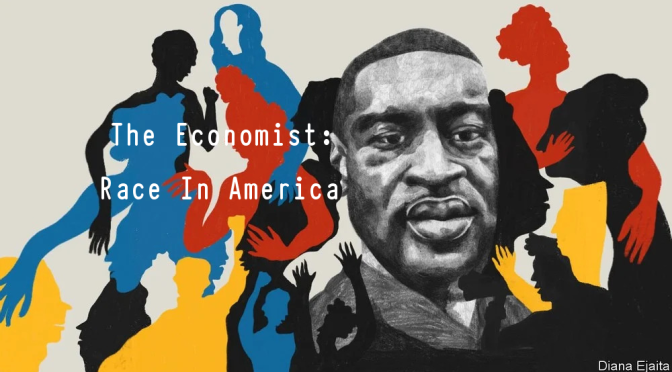
A selection of three essential articles read aloud from the latest issue of The Economist. This week: race in America, the green investment boom (10:00), and why NATO increasingly sees its soldiers’ phones as a liability (21:50).
Category Archives: Analysis

Vaccine Passports: Legal & Medical Issues Are Raised
The CDC says fully vaccinated Americans can resume many normal activities but should people have to prove they have gotten those shots? Brook Silva-Braga reports on the pros and cons of so-called “vaccine passports” and the medical and legal issues raised.
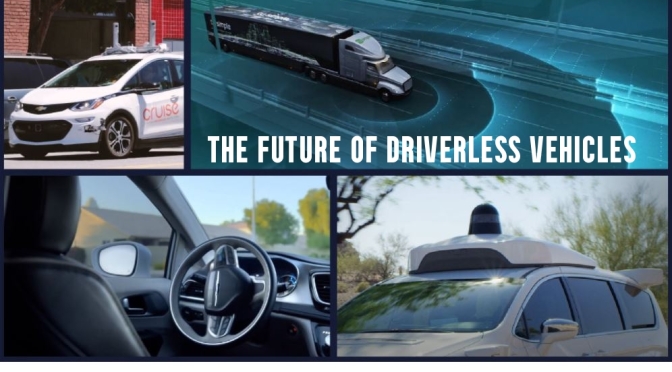
Analysis: The Future Of Driverless Vehicles (WSJ)
While Tesla and others already offer assisted-driving features, startups Waymo, Cruise, TuSimple and Aurora are betting their autonomous vehicles will make driving a thing of the past. WSJ asked them about safety and other challenges they face. Photo composite: George Downs
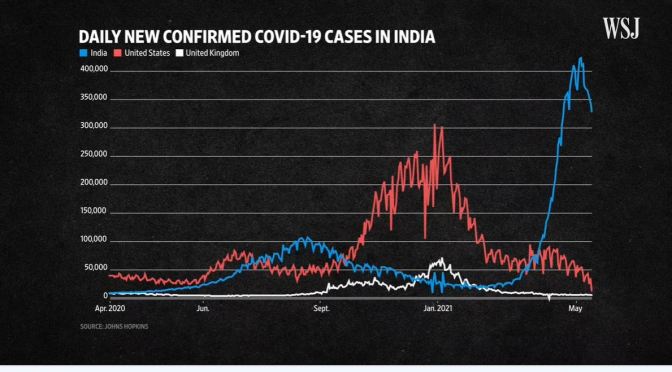
Analysis: How India’s Covid Crisis Got Out Of Control
India’s Covid-19 crisis has resulted in record numbers of cases and deaths. WSJ breaks down the chain of events that led to the fastest-growing wave of infection since the pandemic started, and what it means for the world. Photo: Samuel Rajkumar/Reuters
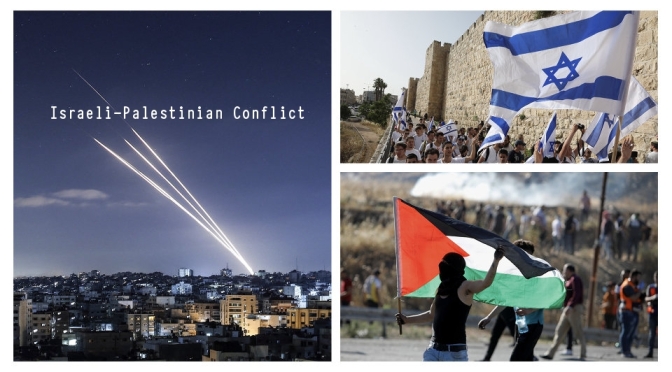
Analysis: ‘Old Dynamics’ In Israel-Hamas Conflict
As international calls for a cease-fire grow and Gaza death tolls rise, there seems to be no clear end in sight. WSJ’s Gerald F. Seib explains why this recent outbreak may be a sign that the old dynamics are still in place in the decades-long conflict between Israel and Palestinians. Photo illustration: Todd Johnson

Analysis: Colonial Pipeline Cyberattack Explained
A cyberattack on the U.S.’s largest fuel pipeline on May 7 forced a shutdown that triggered a spike in gas prices and shortages in parts of the Southeast. WSJ explains just how vulnerable the nation’s critical energy infrastructure is to attack. Photo illustration: Liz Ornitz/WSJ

Political Analysis: Tamara Keith And Amy Walter On Race Relations In America
NPR’s Tamara Keith and Amy Walter of the Cook Political Report join Amna Nawaz to discuss the latest political news, including race relations in America, investigating the Capitol riot, and U.S. response to the Israeli-Palestinian conflict in the Middle East.
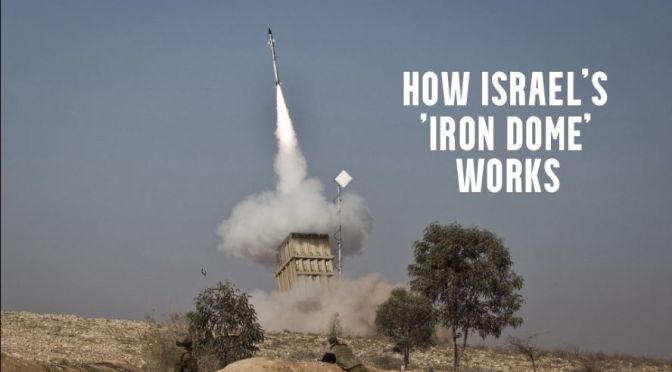
Military Analysis: How Israel’s ‘Iron Dome’ Works
Israel’s Iron Dome missile-defense system is designed to intercept and destroy short-range rockets and mortars. During the recent conflict, it has been used to destroy more than 200 rockets bound for Israeli cities. Here’s how it works. Photo: Ilia Yefimovich/Getty Images
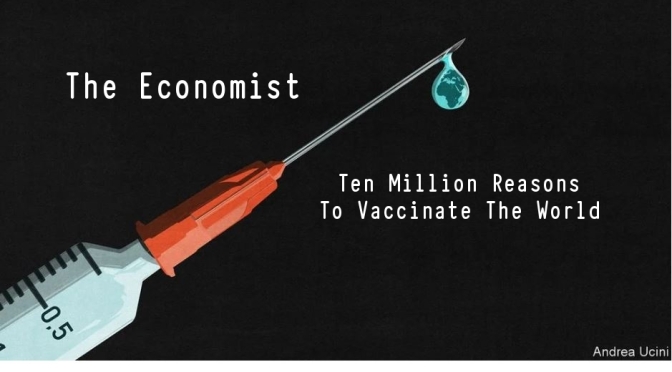
Analysis: Vaccinating The World, Israel-Palestinian Clash, Musical Plagarism
A selection of three essential articles read aloud from the latest issue of The Economist. This week: ten million reasons to vaccinate the world, Israel and the Palestinians (9:48) and musical plagiarism (15:35).
Analysis: How Coca-Cola Leads Beverage Market
With more than 1.9 billion drinks served every day Coca-Cola is one of the world’s largest beverage companies. From its humble beginnings selling a single product at a drugstore for 5 cents a glass, the company now has a roster of 200 brands that includes Coke, Fanta, and Sprite. But with health and wellness trends on the rise, the company has been forced to pivot. So after 135-years in business, can the soft drink giant stay on top? And what will the secular decline of sugar-sweetened beverages in the U.S. mean for the future of Coca-Cola?
 Boomers Daily