1,000 Miles & 1,000 Smiles
“We make beautiful art that that is meant to be driven and enjoyed” says Aston Martin….
Sadly, many of these works of art are destined for a life locked away in garages and only taken out for shows and events. Luckily we know someone who realises that a DB4, a DB5 and a DB6 love to be driven – enjoyed not only by the driver, but the countless people who stop to look and wave as they pass by. And driven in spectacular locations renowned for the winding roads and jaw dropping scenery. In 5 days, during which it rained every day, these cars covered over 1000 miles through the Scottish highlands, without a single issue (we lie – one electric window issue), and created a thousand smiles.

It was a rare privilege and pleasure to have been invited to film, photograph, and drive these working pieces of art, and enjoy Scotland in a unique way that is in fact priceless, and certainly a very big bucket list tick. The film is quite dark and moody, and almost black and white, but we think suits the occasion… (it’s also what the client wanted!). The brief appearance of the Rapide AMR only added to the convoy. Although it looks quite remote, deserted and desolate it was in fact peak holiday season, so between the traffic, the rain and the distances, every shot in this film was based on one take with no rehearsals… which justified the occasional use of strong language “och aye Jimmy”. However, we hope that this final brief overview of the journey, being a short edit of what was delivered to the client, gives these cars…nay laddie – these Aston Martins… and the location, Bonnie Scotland, the justice they deserve. Enjoy.
Website


 Carel Willink was a pioneer of Magic Realism, an avant-garde movement of Dutch modernism closely associated with Surrealism. In this episode of Anatomy of an Artwork, discover how a visit to Italy’s Bomarzo Gardens following the death of his wife inspired a series of paintings featuring monsters, see how Willink drew further inspiration from dream-like images and illusions, and learn how his near-photographic style exudes a sense of mystery and enchantment.







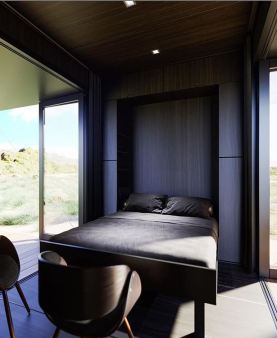 Drawing upon Garnero’s six years of cargotecture experience and Burdge’s design expertise, the duo recently launched the Buhaus: a tiny pre-permitted container home designed for indoor/outdoor living. “People appreciate great design, and most shipping container designs seem to be more low-end,” says Burdge. “We wanted to create a higher-end shipping container living unit.”
 Boomers Daily