THE NEW YORK TIMES – FRIDAY, AUGUST 8, 2025

Netanyahu, Aiming to Capture Gaza City, Risks Ending in Familiar Deadlock

Time and again, Prime Minister Benjamin Netanyahu has pledged to defeat Hamas by force. The decision to capture Gaza City repeats a strategy that has failed in the past.

Trump Escalates a Fight Over How to Measure Merit in American Education

President Trump’s demand for college admissions data enters a debate over how grades and test scores should be weighed against less quantitative measures.

Can Russia’s Economy Withstand Trump’s Pressure?

The Russian economy was slowing even before President Trump’s latest threats. But the Kremlin has enough money to keep fighting in Ukraine.

SCIENCE MAGAZINE – AUGUST 8, 2025 PREVIEW

Science issue cover

SCIENCE MAGAZINE: The latest issue features ‘Evoloving Immunity’…

The multifunctional immune system

Thank ketchup, and interbreeding, for your French fries

Hybridization 9 million years ago gave potatoes the genetic knack to develop tubers, a new study finds

Study reveals industrial-scale publishing fraud

Sophisticated global networks are infiltrating journals to publish fake papers

AI-generated text surges in research papers

One-fifth of computer science papers may include AI-written sentences

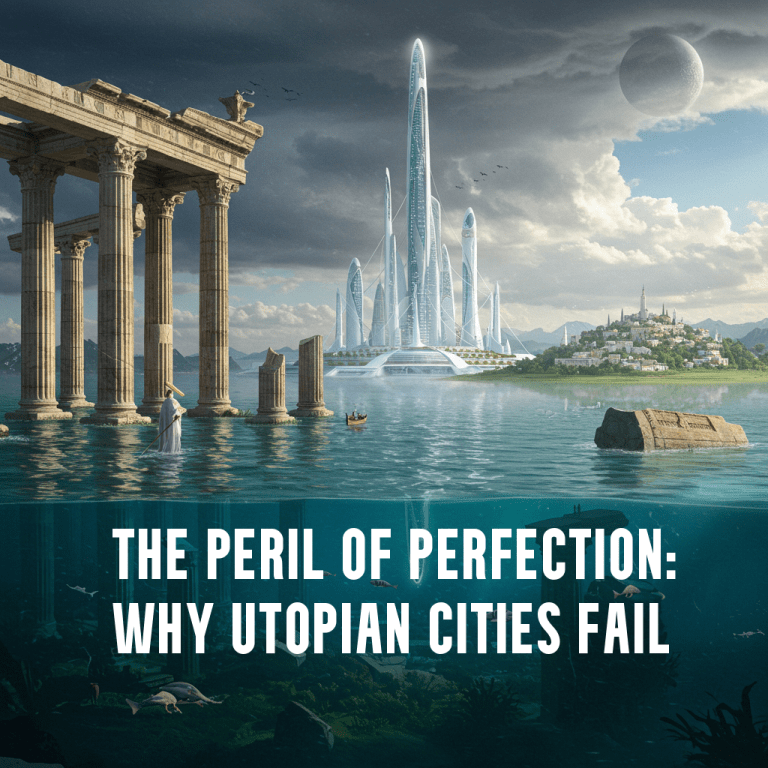
The Peril Of Perfection: Why Utopian Cities Fail

By Michael Cummins, Editor, August 7, 2025

Throughout human history, the idea of a perfect city—a harmonious, orderly, and just society—has been a powerful and enduring dream. From the philosophical blueprints of antiquity to the grand, state-sponsored projects of the modern era, the desire to create a flawless urban space has driven thinkers and leaders alike. This millennia-long aspiration, rooted in a fundamental human longing for order and a rejection of present-day flaws, finds its most recent and monumental expression in China’s Xiongan New Area, a project highlighted in an August 7, 2025, Economist article titled “Xi Jinping’s city of the future is coming to life.” Xiongan is both a marvel of technological and urban design and a testament to the persistent—and potentially perilous—quest for an idealized city.

By examining the historical precedents of utopian thought, we can understand Xiongan not merely as a contemporary infrastructure project but as the latest chapter in a timeless and often fraught human ambition to build paradise on earth. This essay will trace the evolution of the utopian ideal from ancient philosophy to modern practice, arguing that while Xiongan embodies the most technologically advanced and politically ambitious vision to date, its top-down, state-driven nature and astronomical costs raise critical questions about its long-term viability and ability to succeed where countless others have failed.

The Philosophical and Historical Roots

The earliest and most iconic examples of this utopian desire were theoretical and philosophical, serving as intellectual critiques rather than practical blueprints. Plato’s mythological city of Atlantis, described in his dialogues Timaeus and Critias, was not just a lost city but a complex philosophical thought experiment. Plato detailed a powerful, technologically advanced, and ethically pure island society, governed by a wise and noble lineage. The city itself was a masterpiece of urban planning, with concentric circles of land and water, advanced canals, and stunning architecture.

However, its perfection was ultimately undone by human greed and moral decay. As the Atlanteans became corrupted by hubris and ambition, their city was swallowed by the sea. This myth is foundational to all subsequent utopian thought, serving as a powerful and enduring cautionary tale that even the most perfect physical and social structure is fragile and susceptible to corruption from within. It suggests that a utopian society cannot simply be built; its sustainability is dependent on the moral fortitude of its citizens.

Centuries later, in 1516, Thomas More gave the concept its very name with his book Utopia. More’s work was a masterful social and political satire, a searing critique of the harsh realities of 16th-century England. He described a fictional island society where there was no private property, and all goods were shared. The citizens worked only six hours a day, with the rest of their time dedicated to education and leisure.

“For where pride is predominant, there all these good laws and policies that are designed to establish equity are wholly ineffectual, because this monster is a greater enemy to justice than avarice, anger, envy, or any other of that kind; and it is a very great one in every man, though he have never so much of a saint about him.” – Utopia by Thomas More

The society was governed by reason and justice, and there were no social classes, greed, or poverty. More’s Utopia was not about a perfect physical city, but a perfect social structure. It was an intellectual framework for political philosophy, designed to expose the flaws of a European society plagued by poverty, inequality, and the injustices of land enclosure. Like Atlantis, it existed as an ideal, a counterpoint to the flawed present, but it established a powerful cultural archetype.

The city as a reflection of societal ideals. — Intellicurean

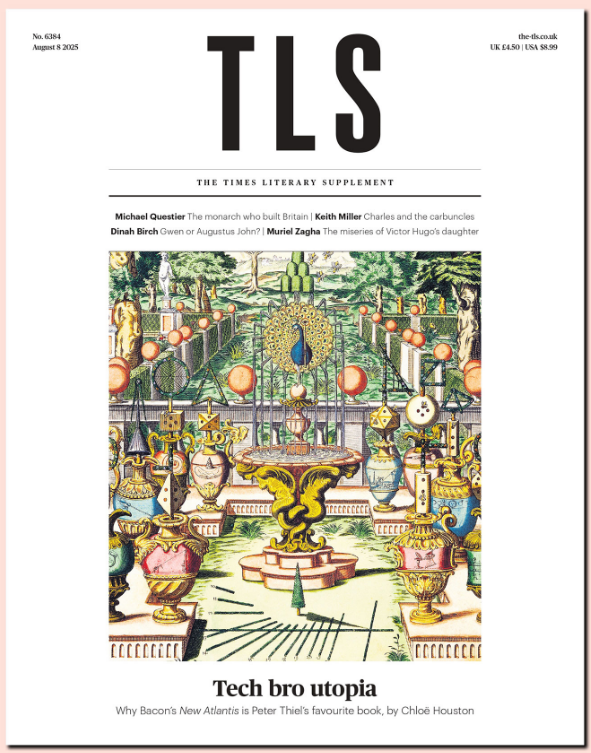
Following this, Francis Bacon’s unfinished novel New Atlantis (1627) offered a different, more prophetic vision of perfection. His mythical island, Bensalem, was home to a society dedicated not to social or political equality, but to the pursuit of knowledge. The core of their society was “Salomon’s House,” a research institution where scientists worked together to discover and apply knowledge for the benefit of humanity. Bacon’s vision was a direct reflection of his advocacy for the scientific method and empirical reasoning.

In his view, a perfect society was one that systematically harnessed technological innovation to improve human life. Bacon’s utopia was a testament to the power of collective knowledge, a vision that, unlike More’s, would resonate profoundly with the coming age of scientific and industrial revolution. These intellectual exercises established a powerful cultural archetype: the city as a reflection of societal ideals.

From Theory to Practice: Real-World Experiments

As these ideas took root, the dream of a perfect society moved from the page to the physical world, often with mixed results. The Georgia Colony, founded in 1732 by James Oglethorpe, was conceived with powerful utopian ideals, aiming to be a fresh start for England’s “worthy poor” and debtors. Oglethorpe envisioned a society without the class divisions that plagued England, and to that end, his trustees prohibited slavery and large landholdings. The colony was meant to be a place of virtue, hard work, and abundance. Yet, the ideals were not fully realized. The prohibition on slavery hampered economic growth compared to neighboring colonies, and the trustees’ rules were eventually overturned. The colony ultimately evolved into a more typical slave-holding, plantation-based society, demonstrating how external pressures and economic realities can erode even the most virtuous of founding principles.

In the 19th century, with the rise of industrialization, several communities were established to combat the ills of the new urban landscape. The Shakers, a religious community founded in the 18th century, are one of America’s most enduring utopian experiments. They built successful communities based on communal living, pacifism, gender equality, and celibacy. Their belief in simplicity and hard work led to a reputation for craftsmanship, particularly in furniture making. At their peak in the mid-19th century, there were over a dozen Shaker communities, and their economic success demonstrated the viability of communal living. However, their practice of celibacy meant they relied on converts and orphans to sustain their numbers, a demographic fragility that ultimately led to their decline. The Shaker experience proved that a society’s success depends not only on its economic and social structure but also on its ability to sustain itself demographically.

These real-world attempts demonstrate the immense difficulty of sustaining a perfect society against the realities of human nature and economic pressures. — Intellicurean

The Transcendentalist experiment at Brook Farm (1841-1847) attempted to blend intellectual and manual labor, blurring the lines between thinkers and workers. Its members, who included prominent figures like Nathaniel Hawthorne, believed that a more wholesome and simple life could be achieved in a cooperative community. However, the community struggled from the beginning with financial mismanagement and the impracticality of their ideals. The final blow was a disastrous fire that destroyed a major building, and the community was dissolved. Brook Farm’s failure illustrates a central truth of many utopian experiments: idealism can falter in the face of economic pressures and simple bad luck.

A more enduring but equally radical experiment, the Oneida Community (1848-1881), achieved economic success through manufacturing, particularly silverware, under the leadership of John Humphrey Noyes. Based on his concept of “Bible Communism,” they practiced communal living and a system of “complex marriage.” Despite its radical social structure, the community thrived economically, but internal disputes and external pressures ultimately led to its dissolution. These real-world attempts demonstrate the immense difficulty of sustaining a perfect society against the realities of human nature and economic pressures.

Xiongan: The Modern Utopia?

Xiongan is the natural, and perhaps ultimate, successor to these modern visions. It represents a confluence of historical utopian ideals with a uniquely contemporary, state-driven model of urban development. Touted as a “city of the future,” Xiongan promises short, park-filled commutes and a high-tech, digitally-integrated existence. It seeks to be a model of ecological civilization, where 70% of the city is dedicated to green space and water, an explicit rejection of the “urban maladies” of pollution and congestion that plague other major Chinese cities.

Its design principles are an homage to the urban planners of the past, with a “15-minute lifecycle” for residents, ensuring all essential amenities are within a short walk. The city’s digital infrastructure is also a modern marvel, with digital roads equipped with smart lampposts and a supercomputing center designed to manage the city’s traffic and services. In this sense, Xiongan is a direct heir to Francis Bacon’s vision of a society built on scientific and technological progress.

Unlike the organic, market-driven growth of a city like Shenzhen, Xiongan is an authoritarian experiment in building a perfect city from scratch. — The Economist

This vision, however, is a top-down creation. As a “personal initiative” of President Xi, its success is a matter of political will, with the central government pouring billions into its construction. The project is a key part of the “Jing-Jin-Ji” (Beijing-Tianjin-Hebei) coordinated development plan, meant to relieve the pressure on the capital. Unlike the organic, market-driven growth of a city like Shenzhen, Xiongan is an authoritarian experiment in building a perfect city from scratch. Shenzhen, for example, was an SEZ (Special Economic Zone) that grew from the bottom up, driven by market forces and a flexible policy environment. It was a chaotic, rapid, and often unplanned explosion of economic activity. Xiongan, in stark contrast, is a meticulously planned project from its very inception, with a precise ideological purpose to showcase a new kind of “socialist” urbanism.

This centralized approach, while capable of achieving rapid and impressive infrastructure development, runs the risk of failing to create the one thing a true city needs: a vibrant, organic, and self-sustaining culture. The criticisms of Xiongan echo the failures of past utopian ventures; despite the massive investment, the city’s streets remain “largely empty,” and it has struggled to attract the talent and businesses needed to become a bustling metropolis. The absence of a natural community and the reliance on forced relocations have created a city that is technically perfect but socially barren.

The Peril of Perfection

The juxtaposition of Xiongan with its utopian predecessors highlights the central tension of the modern planned city. The ancient dream of Atlantis was a philosophical ideal, a perfect society whose downfall served as a moral warning against hubris. The real-world communities of the 19th century demonstrated that idealism could falter in the face of economic and social pressures, proving that a perfect society is not a fixed state but a dynamic, and often fragile, process. The modern reality of Xiongan is a physical, political, and economic gamble—a concrete manifestation of a leader’s will to solve a nation’s problems through grand design. It is a bold attempt to correct the mistakes of the past and a testament to the immense power of a centralized state. Yet, the question remains whether it can escape the fate of its predecessors.

The ultimate verdict on Xiongan will not be about the beauty of its architecture or the efficiency of its smart infrastructure alone, but whether it can successfully transcend its origins as a state project. — The Economist

The ultimate verdict on Xiongan will not be about the beauty of its architecture or the efficiency of its smart infrastructure alone, but whether it can successfully transcend its origins as a state project to become a truly livable, desirable, and thriving city. Only then can it stand as a true heir to the timeless dream of a perfect urban space, rather than just another cautionary tale. Whether a perfect city can be engineered from the top down, or if it must be a messy, organic creation, is the fundamental question that Xiongan, and by extension, the modern world, is attempting to answer.

THIS ESSAY WAS WRITTEN AND EDITED UTILIZING AI

THE ECONOMIST MAGAZINE – AUGUST 9, 2025 PREVIEW

THE ECONOMIST MAGAZINE: The latest issue features Why Israel must hold itself to account

Why Israel must hold itself to account

And how it can be made to do so

Donald Trump’s awful trade policy will outlast him

He thinks America is winning. It is not

Buy now, pay later gets a bad rap. But it could be useful

Provided lenders open up

THE GUARDIAN WEEKLY – AUGUST 8, 2025 PREVIEW

THE GUARDIAN WEEKLY: The latest issue features ‘We are dying slowly, save us’ – The horror of famine in Gaza.

Images of starving Palestinians have appeared with increasing insistency across the world’s media over the past few weeks. Deciding whose child and which picture best illustrates the territory’s slide into famine is a grim task. Five-year-old Lana Salih Juha, on this week’s cover, weighed just 8kg when this photograph was taken in Gaza City on 28 July.

As Malak A Tantesh reports from Gaza for this week’s big story, Lana’s parents are among many inside the territory forced to watch children waste away as deliberate aid restrictions from Israel mean hunger is becoming a killer. It was, as Malak reports, a week when two milestones were reached: a Palestinian official record of 60,000 deaths and the Integrated Food Security Phase Classification, a group of UN and aid organisations, stating that the whole population of 2.2 people were now living in a state of famine.

Five essential reads in this week’s edition

Spotlight | Transatlantic barbs traded over social media safety
The UK’s new law restricting under-18s’ internet access has only just come into force but already US tech giants and rightwing commentators are bolstering Nigel Farage’s efforts to turn restriction into a free speech issue, reports Dan Milmo

Environment | The best job in the world
Matthew Jeffery explains to Donna Ferguson how he became Cambridge University’s first expedition botanist since Darwin and how he prepared for his new post

Feature | Has nature writing strayed off the path of success?
In the footsteps of the controversy over The Salt Path, Alex Clark explores how, despite public appetite, memoirs of redemption through the natural world may have reached journey’s end

Opinion | A good jigsaw is simply champion
Why did the Lionesses bring Lego, sourdough starters and a puzzle or two to the Women’s Euro 2025? Because they are perfect ways to build mental resilience, explains Amy Izycky

Culture | AI rescues Woody Guthrie’s basement tapes
The legendary folk singer’s daughter and granddaughter tell Dave Simpson how they became custodians of his vast archive, including tracks that have now been released

THE NEW YORK TIMES – THURSDAY, AUGUST 7, 2025

As Trump’s Tariffs Reorder World Trade, Hardest-Hit Countries Rush to Respond

Few major trading partners have been spared the import taxes, which have already disrupted supply chains and are expected to drive up prices for Americans.

What Putin Wants From a Meeting With Trump

President Vladimir Putin of Russia sees direct talks with President Trump as essential to achieving his ultimate aims in Ukraine.

Trumps Seeks New Census to Exclude Illegal Migrants

The census, which is mandated by the Constitution, is next due in 2030. President Trump tried a similar move during his first term, but was unsuccessful.

Trump’s Deals With Top Colleges May Give Rich Applicants a Bigger Edge

Demanded by President Trump, the public release of data on test scores and race could wind up making wealth even more influential in admissions.

Passion Unleashed Or Reason Restrained: The Tale Of Two Theaters

By Michael Cummins, Editor, August 6, 2025

The theatrical landscapes of England and France, while both flourishing in the early modern period, developed along distinct trajectories, reflecting their unique cultural, philosophical, and political climates. The English Renaissance stage, exemplified by the towering figures of Christopher Marlowe and William Shakespeare, embraced a sprawling, often chaotic, exploration of human experience, driven by individual ambition and psychological depth. In contrast, the French Neoclassical theatre, championed by masters like Molière and Jean Racine, championed order, reason, and a more focused examination of societal manners and tragic passions within a stricter dramatic framework.

This essay will compare and contrast these two powerful traditions by examining how Marlowe and Shakespeare’s expansive and character-driven dramas differ from Molière’s incisive social comedies and Racine’s intense psychological tragedies. Through this comparison, we can illuminate the divergent artistic philosophies and societal preoccupations that shaped the dramatic arts in these two influential European nations.

English Renaissance Drama: The Expansive Human Spirit and Societal Flux

The English Renaissance theatre was characterized by its boundless energy, its disregard for classical unities, and its profound interest in the multifaceted human psyche. Playwrights like Christopher Marlowe and William Shakespeare captured the era’s spirit of exploration and individualism, often placing ambitious, flawed, and deeply introspective characters at the heart of their narratives. These plays, performed in bustling public theaters, offered a mirror to an English society grappling with rapid change, shifting hierarchies, and the exhilarating—and terrifying—potential of the individual.

Christopher Marlowe (1564–1593), a contemporary and rival of Shakespeare, pioneered the use of blank verse and brought a new intensity to the English stage. His plays often feature protagonists driven by overwhelming, almost superhuman, desires—for power, knowledge, or wealth—who challenge societal and divine limits. In Tamburlaine the Great, the Scythian shepherd rises to conquer empires through sheer force of will, embodying a ruthless individualism that defied traditional hierarchies. Marlowe’s characters are often defined by their singular, often transgressive, ambition.

“I hold the Fates bound fast in iron chains, / And with my hand turn Fortune’s wheel about.” — Christopher Marlowe, Tamburlaine the Great

Similarly, Doctor Faustus explores the dangerous pursuit of forbidden knowledge, with its protagonist selling his soul for intellectual mastery and worldly pleasure. Marlowe’s drama is characterized by its grand scale, its focus on the exceptional individual, and its willingness to delve into morally ambiguous territory, reflecting a society grappling with new ideas about human potential and the limits of authority. His plays were often spectacles of ambition and downfall, designed to provoke and awe, suggesting an English fascination with the raw, unbridled power of the individual, even when it leads to destruction. They spoke to a society where social mobility, though limited, was a potent fantasy, and where traditional religious and political certainties were increasingly open to radical questioning.

William Shakespeare (1564–1616) built upon Marlowe’s innovations, expanding the scope of English drama to encompass an unparalleled range of human experience. While his historical plays and comedies are diverse, his tragedies, in particular, showcase a profound psychological realism. Characters like Hamlet, Othello, and King Lear are not merely driven by singular ambitions but are complex individuals wrestling with internal conflicts, moral dilemmas, and the unpredictable nature of fate. Shakespeare’s plays often embrace multiple plots, shifts in tone, and a blend of prose and verse, reflecting the messy, unconstrained reality of life.

“All the world’s a stage, / And all the men and women merely players; / They have their exits and their entrances; / And one man in his time plays many parts…” — William Shakespeare, As You Like It

Hamlet’s introspection and indecision, Lear’s descent into madness, and Othello’s tragic jealousy reveal a deep fascination with the inner workings of the human mind and the devastating consequences of human fallibility. Unlike the French emphasis on decorum, Shakespeare’s stage could accommodate violence, madness, and the full spectrum of human emotion, often without strict adherence to classical unities of time, place, or action. This freedom allowed for a rich, multifaceted exploration of the human condition, making his plays enduring studies of the soul. These plays vividly portray an English society grappling with the breakdown of traditional order, the anxieties of political succession, and the moral ambiguities of power. They suggest a national character more comfortable with contradiction and chaos, finding truth in the raw, unfiltered experience of human suffering and triumph rather than in neat, rational resolutions.

French Neoclassical Drama: Order, Reason, and Social Control

The French Neoclassical theatre, emerging in the 17th century, was a reaction against the perceived excesses of earlier drama, favoring instead a strict adherence to classical rules derived from Aristotle and Horace. Emphasizing reason, decorum, and moral instruction, playwrights like Molière and Jean Racine crafted works that were elegant, concentrated, and deeply analytical of human behavior within a structured society. These plays offered a reflection of French society under the centralized power of the monarchy, particularly the court of Louis XIV, where order, hierarchy, and the maintenance of social appearances were paramount.

Molière (Jean-Baptiste Poquelin, 1622–1673), the master of French comedy, used wit and satire to expose the follies, hypocrisies, and social pretensions of his contemporary Parisian society. His plays, such as Tartuffe, The Misanthrope, and The Miser, feature characters consumed by a single dominant passion or vice (e.g., religious hypocrisy, misanthropy, avarice). Molière’s genius lay in his ability to create universal types, using laughter to critique societal norms and encourage moral rectitude. His comedies often end with the restoration of social order and the triumph of common sense over absurdity.

“To live without loving is not really to live.” — Molière, The Misanthrope

Unlike the English focus on individual transformation, Molière’s characters often remain stubbornly fixed in their vices, serving as satirical mirrors for the audience. The plots are tightly constructed, adhering to the classical unities, and the language is precise, elegant, and witty, reflecting the French emphasis on clarity and rational thought. His plays were designed not just to entertain, but to instruct and reform, making them crucial vehicles for social commentary. Molière’s comedies reveal a French society deeply concerned with social decorum, the perils of pretense, and the importance of maintaining a rational, harmonious social fabric. They highlight the anxieties of social climbing and the rigid expectations placed upon individuals within a highly stratified and centralized court culture.

Jean Racine (1639–1699), the preeminent tragedian of the French Neoclassical period, explored the destructive power of human passions within a highly constrained and formal dramatic structure. His tragedies, including Phèdre, Andromaque, and Britannicus, focus intensely on a single, overwhelming emotion—often forbidden love, jealousy, or ambition—that inexorably leads to the protagonist’s downfall. Racine’s plays are characterized by their psychological intensity, their elegant and precise Alexandrine verse, and their strict adherence to the three unities (time, place, and action).

“There is no greater torment than to be consumed by a secret.” — Jean Racine, Phèdre

Unlike Shakespeare’s expansive historical sweep, Racine’s tragedies unfold in a single location over a short period, concentrating the emotional and moral conflict. His characters are often members of the aristocracy or historical figures, whose internal struggles are presented with a stark, almost clinical, precision. The tragic outcome is often a result of an internal moral failing or an uncontrollable passion, rather than external forces or a complex web of events. Racine’s work reflects a society that valued order, reason, and a clear understanding of human nature, even when depicting its most destructive aspects. Racine’s tragedies speak to a French society that, despite its pursuit of order, recognized the terrifying, almost inevitable, power of human passion to disrupt that order. They explore the moral and psychological consequences of defying strict social and religious codes, often within the confines of aristocratic life, where reputation and controlled emotion were paramount.

Divergent Stages, Shared Human Concerns: A Compelling Contrast

The comparison of these two dramatic traditions reveals fundamental differences in their artistic philosophies and their reflections of national character. English Renaissance drama, as seen in Marlowe and Shakespeare, was expansive, embracing complexity, psychological depth, and a vibrant, often chaotic, theatricality. It reveled in the individual’s boundless potential and tragic flaws, often breaking classical rules to achieve greater emotional impact and narrative freedom. The English stage was a mirror to a society undergoing rapid change, where human ambition and internal conflict were paramount, and where the individual’s journey, however tumultuous, was often the central focus.

French Neoclassical drama, in contrast, prioritized order, reason, and decorum. Molière’s comedies satirized social behaviors to uphold moral norms, while Racine’s tragedies meticulously dissected destructive passions within a tightly controlled framework. Their adherence to classical unities and their emphasis on elegant language reflected a desire for clarity, balance, and a more didactic approach to theatre. The French stage was a laboratory for examining universal human traits and societal structures, often through the lens of a single, dominant characteristic or emotion, emphasizing the importance of social harmony and rational control.

The most compelling statement arising from this comparison is that while English drama celebrated the unleashing of the individual, often leading to magnificent chaos, French drama sought to contain and analyze the individual within the strictures of reason and social order. The English stage, with its public accessibility and fewer formal constraints, became a crucible for exploring the raw, unvarnished human condition, reflecting a society more comfortable with its own contradictions and less centralized in its cultural authority. The French stage, often patronized by the monarchy and adhering to strict classical principles, became a refined instrument for social critique and the dissection of universal passions, reflecting a society that valued intellectual control, social hierarchy, and the triumph of reason over disruptive emotion.

Despite these significant stylistic and philosophical divergences, both traditions ultimately grappled with universal human concerns: ambition, love, betrayal, morality, and the search for meaning. Whether through the grand, sprawling narratives of Shakespeare and Marlowe, or the concentrated, analytical dramas of Molière and Racine, the theatre in both nations served as a vital arena for exploring the human condition, shaping national identities, and laying groundwork for future intellectual movements. The “stages of the soul” in the Renaissance and Neoclassical periods, though built on different principles, each offered profound insights into the timeless complexities of human nature.

THIS ESSAY WAS WRITTEN AND EDITED UTILIZING AI

TIMES LITERARY SUPPLEMENT – AUGUST 8, 2025 PREVIEW

TIMES LITERARY SUPPLEMENT: The latest issue features ‘Tech Bro Utopia’ – Why Bacon’s New Atlantis is Peter Thiel’s favorite book; The monarch who built Britain; Charles and the carbuncles; The miseries of Victor Hugo’s daughter…

THE NEW YORK TIMES – WEDNESDAY, AUGUST 6, 2025

Kennedy Cancels Nearly $500 Million in mRNA Vaccine Contracts

The vaccines, first used for Covid-19, can be developed quickly and altered as a virus changes. Robert F. Kennedy Jr. has been critical of the technology.

Rebuilding Faces, Lives and a Sense of Self in Ukraine

Surgeons have made significant strides in tending to the war’s wounded, particularly through the use of 3-D printing.

War Shattered His Face. Technology Helped Reconstruct It.

Truce Quiets Syrian City Torn by Sectarian Clashes

The fighting has stopped in Sweida, three weeks after a deadly eruption of violence. But the area remains tense as clashes continue beyond the city.

HEALTHY AGING: WHY LEAN MUSCLE MASS IS ESSENTIAL

By Michael Cummins, Editor, August 5, 2025

When we envision the journey of aging, we often focus on the more visible signs—the lines on our faces, the graying hair, or the occasional ache in our joints. But the most profound changes occur beneath the surface, particularly within our muscular system. The gradual loss of muscle mass, a condition known as sarcopenia, is often accepted as an inevitable part of getting older. Yet, this decline is far from a cosmetic concern. It represents a fundamental shift in our body’s operating system, compromising our resilience and making us more vulnerable to chronic disease.

Modern science has revolutionized our understanding of skeletal muscle. It is not merely a tool for movement but a dynamic, multifaceted endocrine organ—a bustling chemical factory that profoundly influences every aspect of our health. By actively engaging and maintaining this “factory,” we can effectively fight back against the aging process at a cellular and systemic level. This essay will explore the critical importance of preserving lean muscle mass, detailing its key functions in regulating metabolism, combating chronic inflammation, bolstering our immune system, and acting as a protective shield for the entire body. Ultimately, it will argue that building and maintaining muscle should be a foundational and non-negotiable pillar of any strategy for promoting a long, healthy, and vibrant life.

The Unseen Architects: A Deeper Look at Mitochondria

To truly appreciate the power of muscle, we must first look inside the cell at the microscopic architects that make it all possible: the mitochondria. While famously known as the “powerhouses” of the cell, their story is far more fascinating. As scientist Lena Pernas from the Max Planck Institute for Biology of Ageing explains in her TEDxPadova talk, their ancestors were ancient bacteria that, over 1.5 billion years ago, forged a symbiotic relationship with our early eukaryotic ancestors by finding their way into a larger cell and staying. This remarkable evolutionary event is why mitochondria still retain some bacterial traits, including their own unique circular DNA, known as mtDNA. Interestingly, all of our mitochondrial DNA is passed down exclusively from our mothers.

“To truly appreciate the power of muscle, we must first look inside the cell at the microscopic architects that make it all possible: the mitochondria.”

These tiny organelles are responsible for converting the oxygen we breathe and the nutrients we consume into adenosine triphosphate (ATP), the chemical energy that powers our every thought, movement, and biological process. Mitochondria are not scattered randomly in our bodies; they are strategically placed in the greatest numbers and size within the tissues that have the highest energy demands. This makes our lean muscle tissue a prime location for these cellular power plants. A healthy, active muscle is packed with a dense network of mitochondria, ready to produce the vast amounts of energy needed for physical activity. The strength and efficiency of this mitochondrial network are directly linked to the health and vitality of your muscles, making the connection between muscle mass and healthy aging all the more profound.

The Metabolic Engine Room: Regulating Your Body’s Energy

Skeletal muscle is the single largest organ in the human body, constituting nearly 50% of total body weight in a lean individual. Its sheer size and constant activity make it a metabolic powerhouse. One of its most vital roles is as the body’s primary glucose regulator. After a meal, muscle tissue acts as a massive storage container, efficiently taking up glucose from the bloodstream in response to insulin’s signal. This action is crucial for keeping blood sugar levels balanced and preventing the dangerous spikes and crashes associated with metabolic dysfunction.

“By maintaining a robust amount of muscle mass, you effectively protect this system, keeping your metabolic ‘engine room’ running smoothly.”

However, as we age and lose muscle mass, this storage container shrinks. The remaining cells have to work harder to manage blood sugar, which often leads to a condition called insulin resistance. In this state, your body’s cells become less responsive to insulin’s message, causing glucose to accumulate in the bloodstream—a key precursor to Type 2 diabetes. Insulin resistance triggers a dangerous cascade of events. The excess glucose in the blood can bind to proteins, forming pro-inflammatory molecules known as Advanced Glycation End-products (AGEs).

Additionally, impaired insulin action leads to a rise in circulating free fatty acids, which directly activate inflammatory pathways within cells. This vicious cycle, where metabolic dysfunction drives inflammation and vice versa, is a cornerstone of numerous age-related diseases. By maintaining a robust amount of muscle mass, you effectively protect this system, keeping your metabolic “engine room” running smoothly and providing a high-leverage strategy for preventing chronic conditions.

Fighting Inflammation: Your Body’s Internal Anti-Inflammatory Factory

Chronic, low-grade systemic inflammation is a major driver of age-related decline. Known as inflammaging, this slow-burning inflammatory state contributes to everything from heart disease and arthritis to neurodegenerative disorders. The genius of skeletal muscle lies in its ability to actively combat this process.

When muscles contract during physical activity, they release a complex cocktail of signaling molecules called myokines. These myokines act as powerful, natural anti-inflammatory agents. They are the chemical messengers of your muscle’s “pharmacy,” traveling throughout the body to modulate inflammatory and immune responses. Without enough muscle and physical activity, you lose this natural defense, allowing the chronic inflammatory “fire” to burn hotter.

One of the most well-studied myokines, Interleukin-6 (IL-6), beautifully illustrates this concept. While often associated with inflammation in its chronic state, when it is secreted acutely by working muscles, it acts as a powerful anti-inflammatory signal. Muscle-derived IL-6 can inhibit the production of other pro-inflammatory cytokines, creating a more balanced and healthy systemic environment.

Brown Fat: Your Body’s Calorie-Burning Furnace

A particularly exciting and potent anti-inflammatory function of myokines is their ability to influence your body’s fat tissue. Not all fat is created equal. While white fat stores energy, brown fat is a specialized tissue packed with mitochondria that burns calories to produce heat. People with higher levels of brown fat are often at a lower risk for conditions like type 2 diabetes and heart disease, even if they are overweight.

“By keeping your muscles active, you are sending out potent signals that actively work to counteract the systemic inflammation and metabolic dysfunction that drives the aging process.”

Skeletal muscle plays a vital, direct role in the production and activation of this beneficial brown fat. Exercise-induced myokines, notably Irisin and Fibroblast Growth Factor 21 (FGF21), are key players in a process called “browning.” This is a remarkable biological feat where white fat cells, particularly in certain areas of the body, are signaled to transform into brown-like fat cells (often called “beige” adipocytes).

These new beige fat cells become metabolic furnaces, increasing your overall energy expenditure and helping to improve blood sugar control and cholesterol levels. By keeping your muscles active, you are not just building strength; you are sending out these potent signals that actively work to counteract the systemic inflammation and metabolic dysfunction that drives the aging process.

The Vicious Cycle: How Inactivity and Obesity Degrade Muscle

While lean muscle can act as a powerful protective agent, a sedentary lifestyle and obesity create a detrimental environment that actively degrades both mitochondrial and muscle health.

“In essence, inactivity and obesity create a vicious cycle…a dangerous cycle that accelerates the decline of overall health.”

This is a complex interplay of chronic inflammation, insulin resistance, and altered metabolic processes that forms a dangerous cycle.

Impact on Mitochondria: Inactivity and obesity are a direct assault on the cell’s powerhouses.

They impair their function by:

Reduced Mitochondrial Biogenesis: Without the stimulus of physical activity, the body suppresses the process of creating new mitochondria. This leads to a decrease in the overall number and density of these crucial power plants in your muscle cells.

Impaired Function: The existing mitochondria become less efficient at producing ATP, reducing your muscles’ capacity to generate energy.

Increased Oxidative Stress: A sedentary lifestyle and excess metabolic load lead to a significant increase in reactive oxygen species (ROS). This oxidative stress damages mitochondria and reduces your body’s natural antioxidant defenses, leading to an accumulation of cellular damage.

Compromised Quality Control: Your body has a clean-up process called mitophagy that removes damaged mitochondria. Inactivity and obesity make this process sluggish, allowing unhealthy mitochondria to build up and further compromise energy production.

Impact on Lean Muscle:
Beyond the cellular level, inactivity and obesity degrade muscle tissue through a state of chronic low-grade inflammation. This silent inflammation is a hallmark of obesity and is characterized by the infiltration of immune cells and the release of harmful molecules.

Pro-inflammatory Molecules: Immune cells and fat cells in obese individuals secrete inflammatory molecules like TNF-α and MCP-1. These molecules cause inflammation within muscle cells and interfere with their metabolism, leading to insulin resistance.

Insulin Resistance and Protein Degradation: The insulin resistance that is common with obesity directly accelerates muscle breakdown. It does this by suppressing a crucial signaling pathway responsible for building muscle protein, while simultaneously activating pathways that break down protein.

Ectopic Lipid Deposition: This is the accumulation of fat within the muscle itself, a condition known as myosteatosis. This fatty infiltration is directly linked to decreased muscle strength and a reduced ability for muscle regeneration.

In essence, inactivity and obesity create a vicious cycle. They promote chronic inflammation and insulin resistance, which in turn damages mitochondria and leads to the breakdown of muscle protein. This loss of muscle then further worsens metabolic function, fueling the cycle and accelerating the decline of overall health.

The Immune System’s Secret Fuel Tank and Guardian

Beyond their metabolic and anti-inflammatory functions, muscles are a critical support system for your immune health. The human body is a constant battlefield, and your immune cells are your first line of defense. But these cells are metabolically demanding, requiring a constant supply of energy and building blocks to function effectively. This is where lean muscle mass becomes an unsung hero.

“Think of your muscles as a vast ‘fuel tank’ for your immune system.”

Skeletal muscle is your body’s largest reservoir of protein and amino acids. This vast store is not just for building brawn; it actively provides essential amino acids for vital functions, including the rapid proliferation and activation of immune cells. A prime example is glutamine, an amino acid that is abundantly produced by skeletal muscle. Glutamine is the primary energy source for rapidly dividing immune cells like lymphocytes and monocytes. Think of your muscles as a vast “fuel tank” for your immune system.

If this tank is full, your immune cells have the fuel they need to mount a robust defense against pathogens. However, if you lose muscle mass or your body is under severe stress (such as during a serious illness), this glutamine tank can run low. When this happens, immune cells are deprived of their primary fuel source, which can compromise their function, proliferative capacity, and ability to effectively fight off infections. This direct metabolic link explains why individuals with sarcopenia or significant muscle wasting are often more susceptible to infections and have poorer outcomes when they get sick.

Beyond Strength: A Whole-Body Protective Shield

The benefits of maintaining muscle mass extend far and wide, touching virtually every system in the body. A higher lean body mass is a powerful indicator of overall health and resilience.

Bone Health: The act of resistance training creates tension on your muscles, which in turn puts a positive, mechanical stress on your bones. This stimulus signals to the bones to get stronger and denser, making resistance training one of the most effective defenses against osteoporosis.

Heart Health: A higher ratio of muscle to fat mass is associated with a healthier lipid profile, lower blood pressure, and a reduced risk of heart disease. The myokines released during exercise also play a role in protecting the cardiovascular system.

Brain Power: Research shows a fascinating link between muscle and brain health. Myokines released during exercise can have neuroprotective effects, enhancing cognitive function and potentially reducing the risk of neurodegenerative diseases. They can influence the production of brain-derived neurotrophic factor (BDNF), a molecule essential for neuronal growth and survival.

“A higher lean body mass is a powerful indicator of overall health and resilience.”

The sheer volume and metabolic activity of muscle mean that even subtle changes in its health can have widespread systemic effects, offering a powerful, protective shield for the entire body.

The Action Plan: What You Can Do

The good news is that sarcopenia is not an irreversible fate. You can actively fight muscle loss at any age, and the most effective strategy is a powerful combination of resistance training and a strategic approach to nutrition.

Resistance Training: This is the most crucial signal you can give your body to keep and build muscle. This doesn’t mean you have to become a bodybuilder; it means making your muscles work against a force. This can include:

Lifting weights: Using dumbbells, barbells, or machines.

Resistance bands: An excellent, low-impact option.

Bodyweight exercises: Squats, lunges, push-ups, and planks are highly effective.
The key is progressive overload, which means gradually increasing the intensity over time to challenge your muscles and force them to adapt and grow.

Eating Enough Protein: Protein is the essential building block of muscle tissue. As we get older, our bodies become less efficient at using protein, a phenomenon called “anabolic resistance.” This means older adults need a higher intake of protein per meal than younger individuals to achieve the same muscle-building response. Aim for a consistent intake of high-quality protein with every meal, especially around your resistance training sessions, to maximize muscle protein synthesis and counteract sarcopenia.

Crucially, the research shows that combining these two strategies—exercise and nutrition—creates a synergistic effect. The benefits are amplified when you support your muscles with both the mechanical stimulus to grow and the nutritional building blocks they need.

Conclusion

The journey of healthy aging is not about avoiding the passage of time but about building a body that can withstand its effects. At the heart of this process lies our skeletal muscle. By moving beyond the old paradigm of muscle as a simple locomotive tool, we can appreciate its central and multifaceted role as a metabolic regulator, an anti-inflammatory agent, and a vital supporter of our immune system. The progressive loss of this powerful organ is a primary driver of age-related decline and chronic disease.

“The secret to a long, healthy life isn’t hidden in a mythical fountain of youth—it’s waiting for you to build it, one muscle fiber at a time.”

However, this new understanding also provides a clear and empowering path forward. By prioritizing regular resistance training and a thoughtful approach to nutrition, we can actively build and maintain our lean muscle mass. This is not just an investment in a stronger body; it is an investment in a more resilient metabolism, a calmer inflammatory system, and a more robust immune defense. The secret to a long, healthy life isn’t hidden in a mythical fountain of youth—it’s waiting for you to build it, one muscle fiber at a time.

THIS ESSAY WAS WRITTEN AND EDITED UTILIZING AI