Kraig Adams – Manaslu is the eighth-highest mountain in the world at 8,163 metres above sea level. It is in the Mansiri Himal, part of the Nepalese Himalayas, in the west-central part of Nepal. The name Manaslu means “mountain of the spirit” and is derived from the Sanskrit word manasa, meaning “intellect” or “soul”.
Video timeline: 00:00 Introduction 3:53 Kathmandu sightseeing tour and trek preparation day 7:23 9 hour drive to Machha Khola 930 m / 3,051 ft 9:28 Day 1 – 15 km / 9.3 mi to Jagat 1,410 m / 4,625ft 14:02 Day 2 – 19 km / 11.8 mi to Deng 1,800 m /5,905 ft 18:26 Day 3 – 9.5 km / 6 mi to Ghap 2,160 m/ 7,086 ft 22:30 Day 4 – 16 km / 10 mi to Lho 2630 m / 8626ft 26:47 Day 5 – 7 km / 4.3 mi to Samagaon 3,530 m / 11,581ft 31:08 Day 6 – Acclimatization day hike to Manaslu Basecamp 4,800 m / 15,748ft 34:33 Day 7 – 8 km / 5 mi to Samdo 3,690m / 12,106ft 37:36 Day 8 – 6 km / 3.7 mi to Larkya Rest House 4,470 m / 14,665 ft 41:42 Day 9 – 15 km / 9.3 mi to Bimthang over Larkya Pass 5,160 m/ 16,929 ft 46:16 Day 10 – 21 km / 13 mi to Dharapani 1,860 m / 6,102 ft 50:05 5 hour drive to Besisahar 1,881 m / 6171 ft 52:19 Behind the scenes and hiking guide
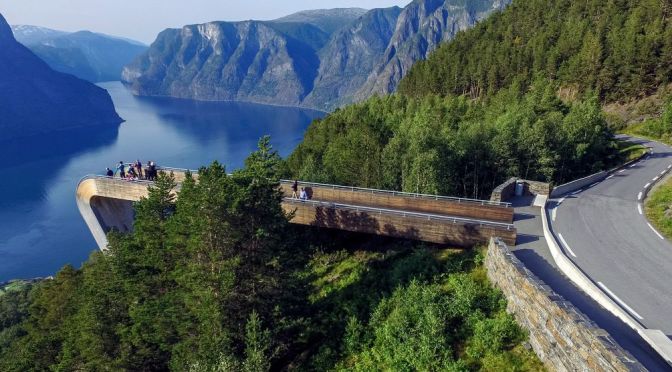
Norwegian Scenic Routes are 18 selected roads that run through landscapes with unique natural qualities, along coasts and fjords, mountains and waterfalls. The routes are intended as alternatives to the main roads, and the drive itself should be an enjoyable experience.
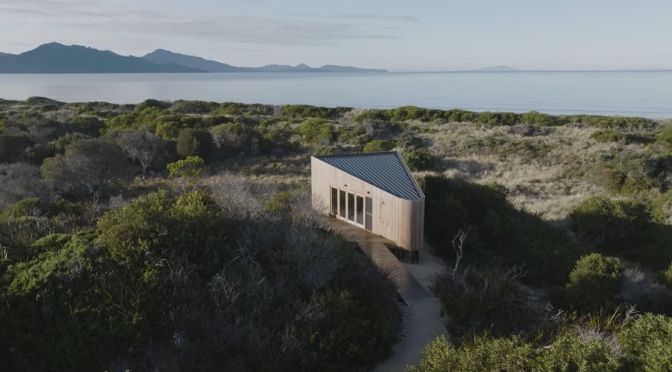
The Local Project – At the end of an undulating path is Dolphin Sands Studio, a small cabin that floats atop the dunes and looks out to The Hazards mountain range and the Peninsula beyond. From the open deck of the cabin, the doors open up to the main living spaces of the studio cabin.
Video timeline: 00:00 – Introduction to the Tiny Cabin on a Hidden Beach 00:31 – The Location of Dolphin Sands 00:45 – A Walkthrough and Around the Cabin 01:04 – The Spacial Components 01:24 – Conceived as a View Finder 01:59 – Utilising as Few Materials as Possible 02:20 – Room for Two 02:48 – Providing Protection 03:05 – The Triangular Form 03:28 – The Architects Proud Moments
Consisting of a kitchen, living space and bedroom – with an adjacent bathroom – the cabin home holds everything the occupants need in one space. Located on a hidden beach in Tasmania, Australia, Dolphin Sands Studio by Matt Williams Architects has been conceived as a viewfinder – giving the occupants unmatched views across the bay. Completing the architecture and interior design, the architect worked alongside the builder to consider how the triangular form of the remote cabin could embrace its surroundings.
This was done by employing a large south-southeast facing window and using as few materials as possible to create a calm space for the occupants. Built on an exposed site, Dolphin Bay Studio embraces its surroundings by inserting itself as one with the landscape. Conceived as a solid tent, the cabin home allows for protection from the elements while maintaining an immediacy with the landscape.
Employing sustainable materials, Matt Williams Architects establishes that the materials work in tune with the weather while not taking away from the experience of living in the unique beach cabin. Capturing the golden sunrise every morning, the position of the cabin home allows the occupants to completely embrace the spectacular views and become one with the community. Though Dolphin Sands Studio is small in scale, the location and proximity to the bay brings external space for the occupants to enjoy.
With a desire to reduce the impact on the terrain, as well as flora and fauna, the architect and builder created a minimally impactful home that inserts itself into the bay. Also offering an escape from the worries of everyday life and the bustling cityscape, the cabin is a uniquely designed home that considers more than its occupants. With an offer of serenity, sustainability and waterside living, Dolphin Bay Studio pushes towards what is possible when designing and living sustainably.
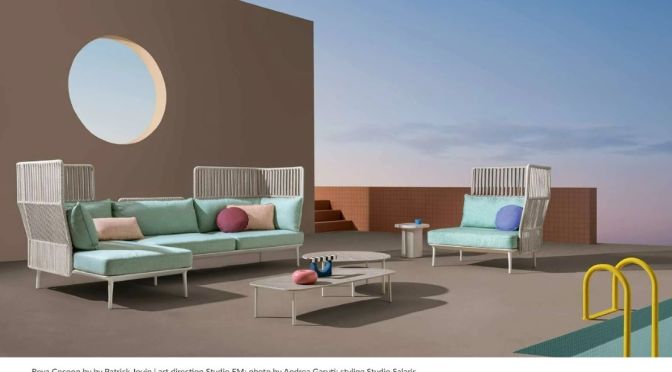
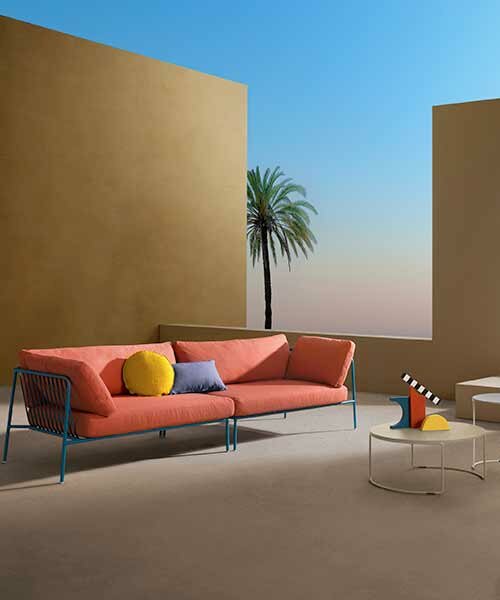
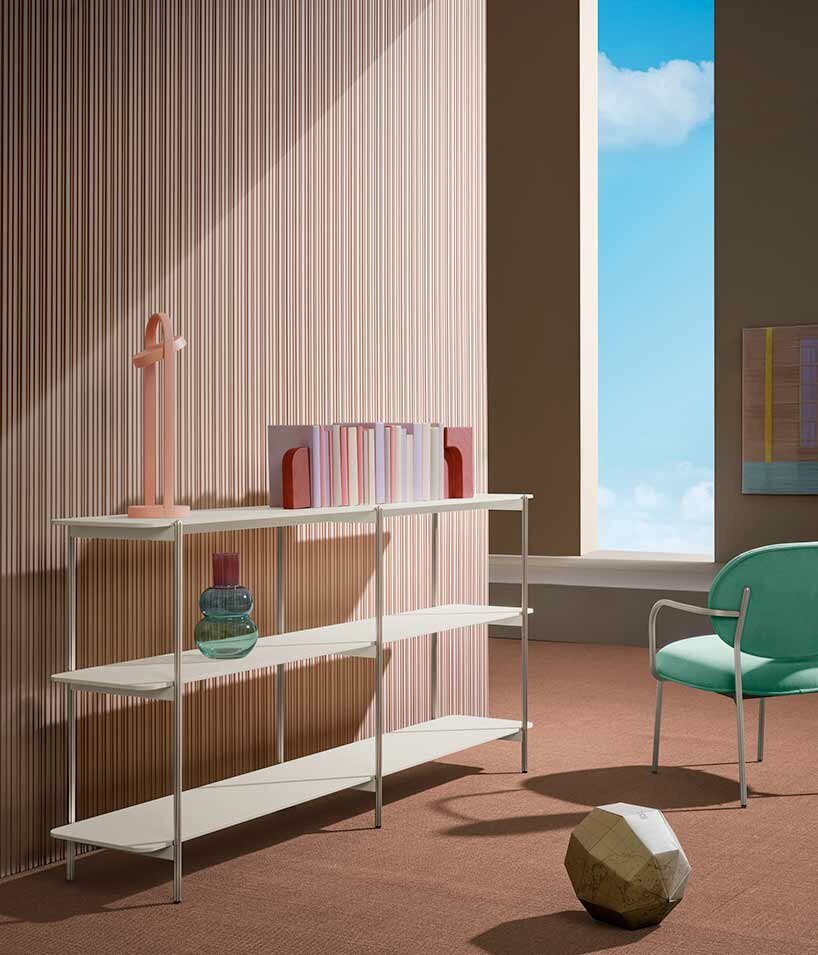
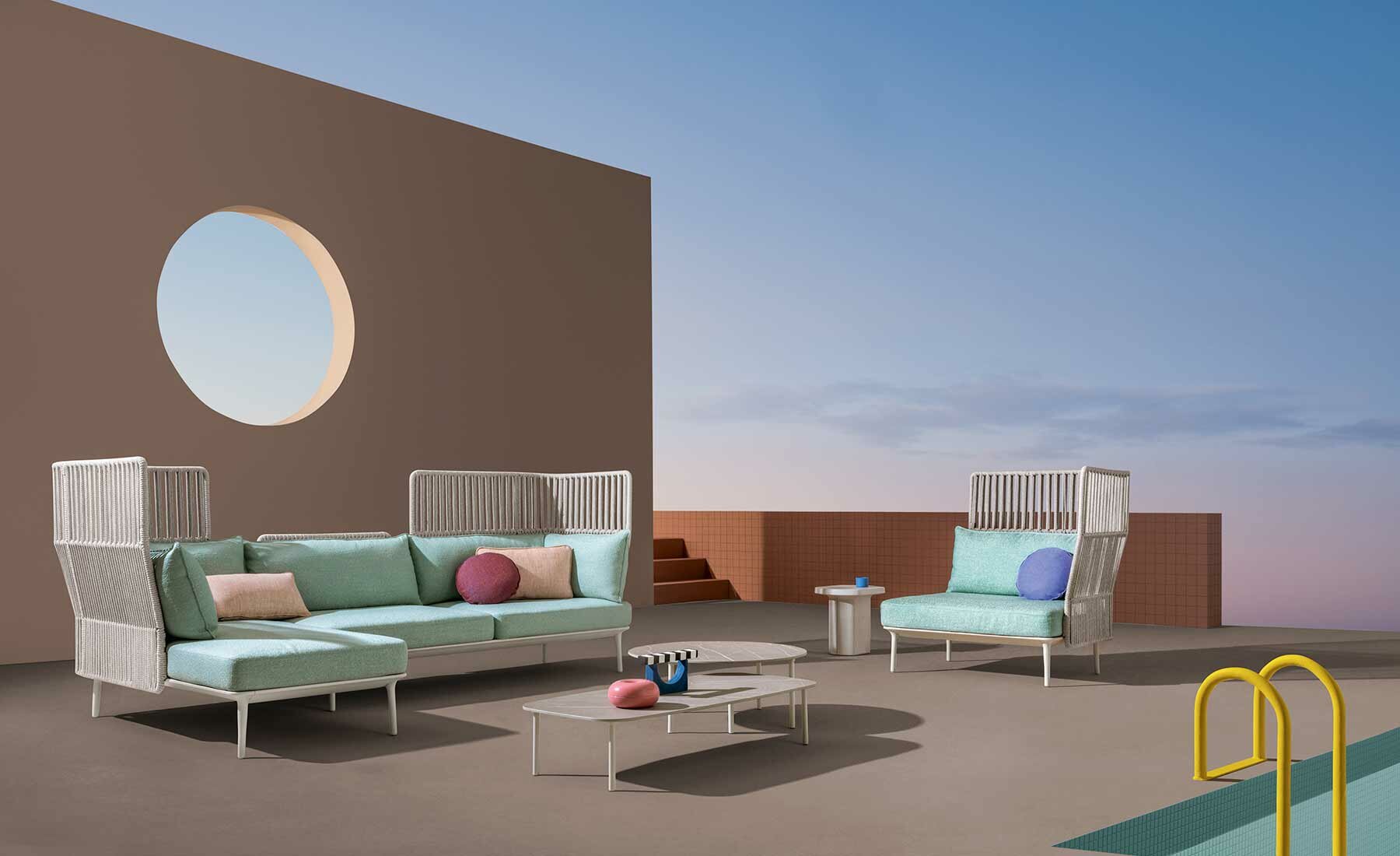
the Blume System by Sebastian Herkner | art direction Studio FM; photo by Andrea Garuti; styling Studio SalarisReva Cocoon by by Patrick Jouin | art direction Studio FM; photo by Andrea Garuti; styling Studio Salaris
Isabel Allen’s Editorial for AT322 discusses how the Architecture Today Awards subverted the traditional role of the crit, transforming it into powerful tool for judging the merits and performance of buildings that already exist.
A sharp, trapezoidal marquee hoisted on spindly pilot is points the way towards the primary pedestrian entrance on the long eastern front.
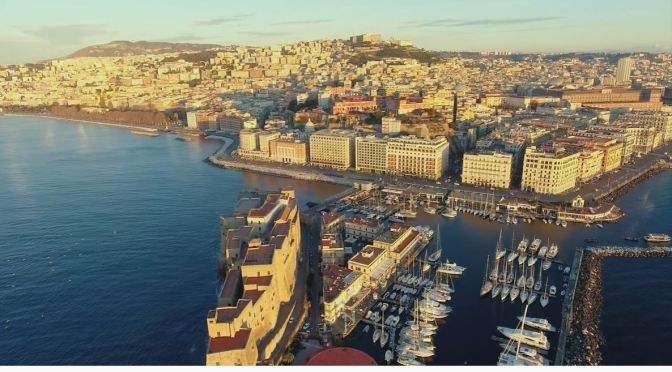
Naples, or Napoli for Italians, is a major port city in the south of Italy in the Campania region. With 4.4 million inhabitants (‘Neapolitans’), it is the third largest city in Italy. The chaotic city has everything for an inspiring city trip because of the rich history, the Italian cuisine and especially in the field of art and culture, the city has a lot to offer. In addition, a short distance from the city of Naples are famous places of interest such as Pompeii, Herculaneum and the Vesuvius volcano. South of the city lies the colorful and beautiful coastal strip of the Amalfi Coast and you can easily reach the beautiful islands such as Capri off the coast of Naples by ferry.
Turkey mulls expanding military operations against Kurdish militants in northern Syria. Plus: Moldova’s energy crisis, New Zealand considers lowering the voting age and the latest technology news.
‘This is what Biden and his advisers are counting on: a grinding and volatile battle with a weakened Trump and his increasingly unhinged movement in 2024.’
There is no way to offset the fact that a gigantic dose of hydrocarbon wealth is being used to stage an immensely carbon-intensive spectacle, in a place that is already getting hotter faster than almost anywhere else on the planet. In the narrowing window of opportunity that remains, can we justify burning this much of our carbon budget on international football?
Act of Oblivion, the title of Robert Harris’s novel, refers to the Act of Free and General Pardon, Indemnity and Oblivion, introduced to the Convention Parliament in May 1660 and given royal assent on 29 August.

















 Boomers Daily