

A 500g Ribeye Steak of a Dutch dairy cow together with a Chocolate Mousse dessert served at Maris Piper, a Michelin Guide restaurant in Amsterdam, the Netherlands.
Monthly Archives: April 2022
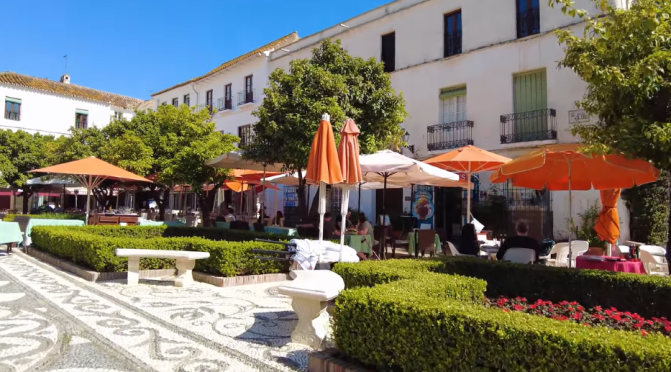
Walking Tour: Marbella In Costa Del Sol, Spain (4K)
Marbella is a city and resort area on southern Spain’s Costa del Sol, part of the Andalusia region. The Sierra Blanca Mountains are the backdrop to 27 km of sandy Mediterranean beaches, villas, hotels, and golf courses. West of Marbella town, the Golden Mile of prestigious nightclubs and coastal estates leads to Puerto Banús marina, filled with luxury yachts, and surrounded by upmarket boutiques and bars.

Morning News: Honda EV Expansion, Apple Phones In India, Russian ‘Brain Drain’
Hundreds of thousands of predominantly young professionals have left Russia since its invasion of Ukraine, an exodus that is denting Russia’s growing tech sector.
WSJ reporter Georgi Kantchev explains who is leaving, why, and what long-term effects their departure could have on the Russian economy and society. Plus, how is TikTok changing children’s brains? Luke Vargas hosts.
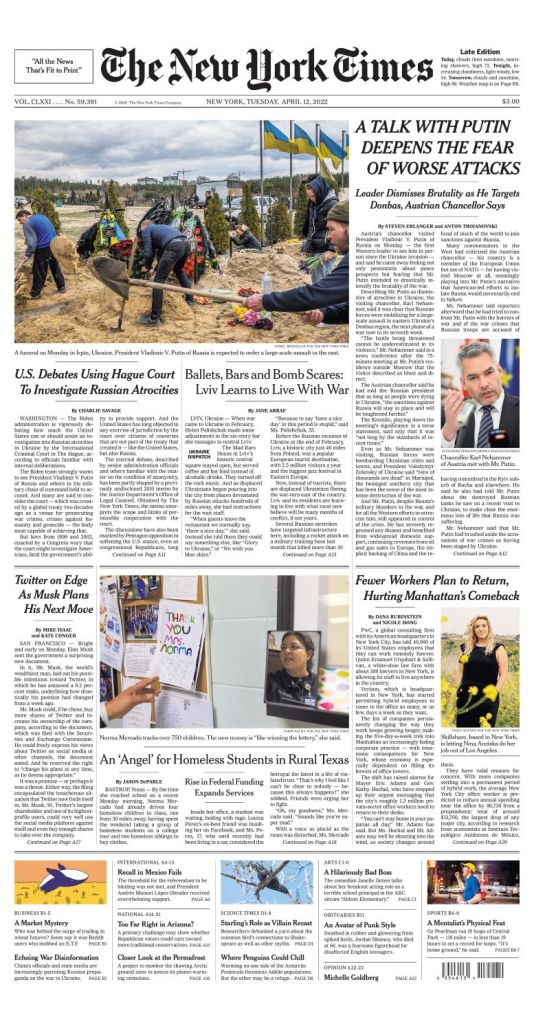
Front Page View: The New York Times – April 12, 2022
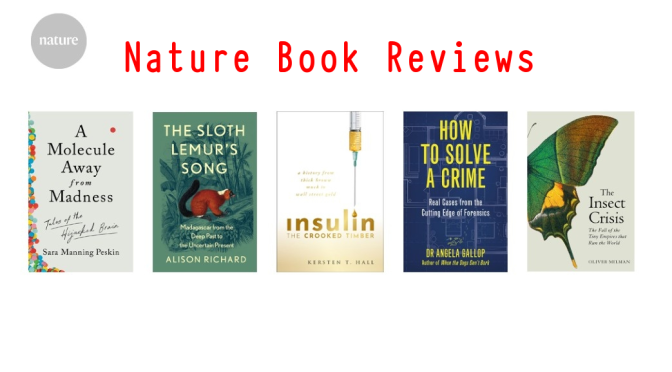
Reviews: Top New Science Book Picks (Nature)
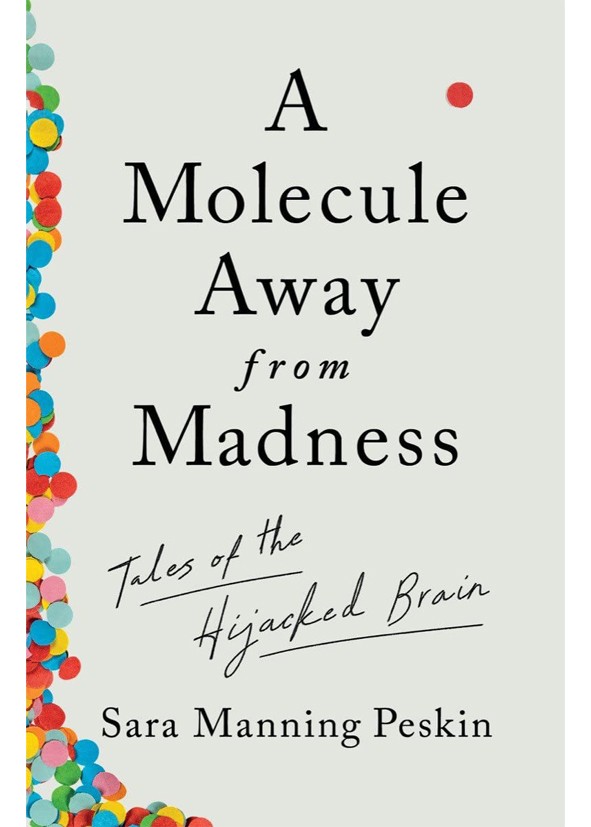
A Molecule Away from Madness
Sara Manning Peskin W. W. Norton (2022)
Even before COVID-19 increased the risks of cognitive impairments, it had been estimated that 152.8 million people globally would be living with dementia by 2050. Yet treatment for Alzheimer’s disease has hardly improved since it was discovered in 1901, notes neurologist and dementia specialist Sara Manning Peskin. Now, most clinical trials tackling dementia are “deeply rooted in molecular data”. Peskin’s powerful study — immersed in her patients’ stories — analyses neurology’s attempt to reach oncology’s molecular understanding.
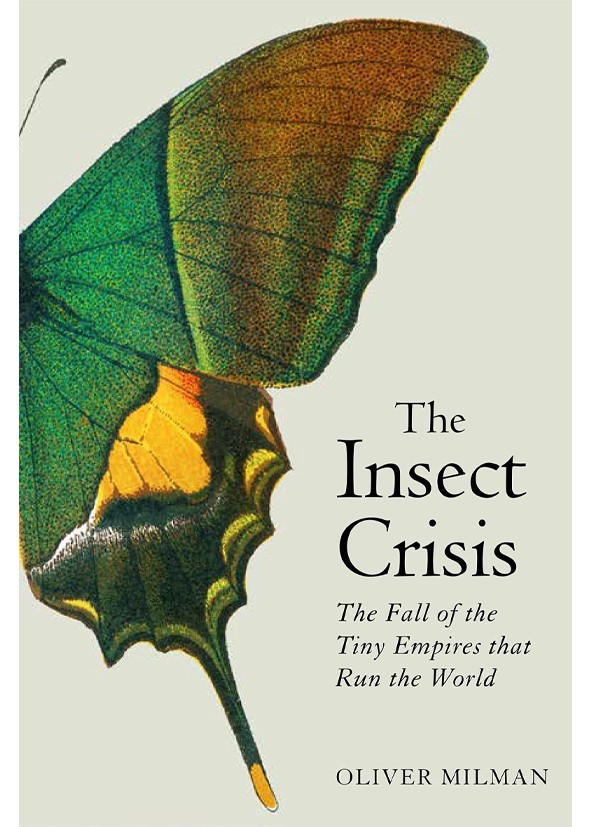
The Insect Crisis
Oliver Milman Atlantic (2022)
Insect decline is obvious — but hard to quantify. Environmental journalist Oliver Milman suggests a drop of more than 90% in some places, in his vivid alarm call. The causes are unclear, but include habitat destruction by intensive farming, pesticide use and climate change. Insects’ “intricate dance” with Earth’s environment makes them crucial to human food supplies. We should learn to eat them, not meat, suggests Milman: that will help to save them by freeing farmland from crops needed to feed livestock.
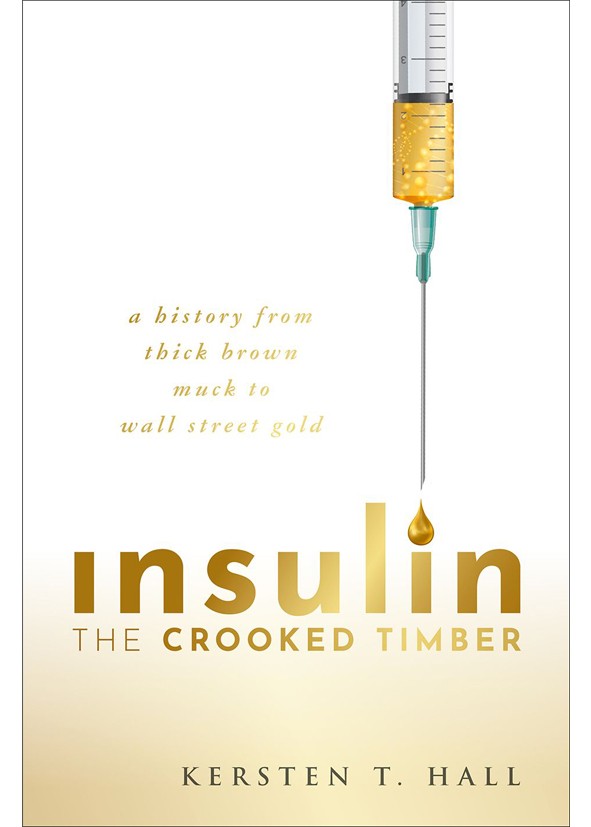
Insulin — The Crooked Timber
Kersten T. Hall Oxford Univ. Press (2022)
Insulin was first used to treat human diabetes 100 years ago, after it was isolated by two medical scientists in 1921. Historian of science Kersten Hall describes this transformative event, together with insulin’s development as the first drug produced by genetic engineering and its lucrative exploitation — using a blend of profound research, lively writing and personal knowledge of diabetes. He argues that the history is a tale not of geniuses or saints, but rather one of “monstrous egos, toxic insecurities and bitter career rivalry”.
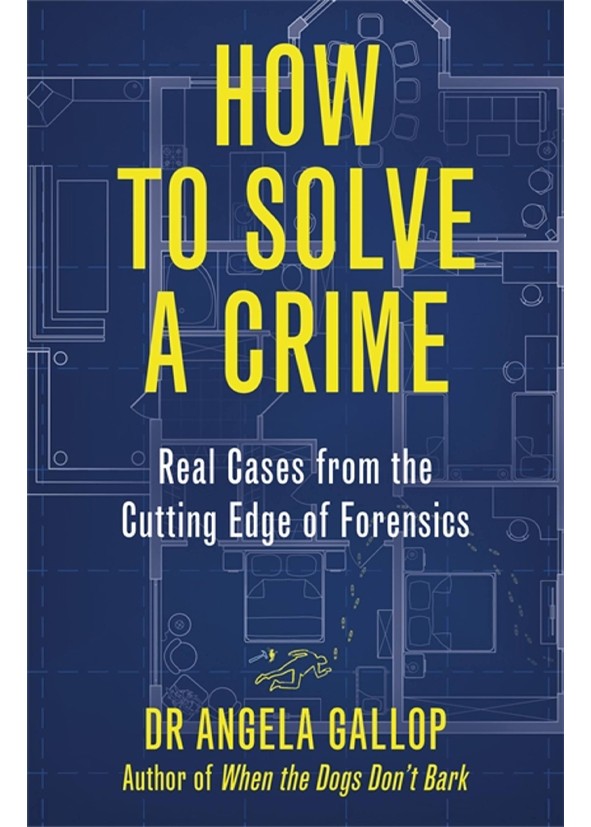
How to Solve a Crime
Angela Gallop Hodder & Stoughton (2022)
More than a century ago, criminologist Edmond Locard established forensic science on the principle that “every contact leaves a trace”. The field’s current sophistication and contribution to justice would be beyond his “wildest imaginings”, writes forensic scientist Angela Gallop. She tells gripping stories from her own and others’ experience, beginning with thirteenth-century Chinese investigator Sung Tz’u. He identified a farmer’s killer by asking fellow villagers to put their sickles on the ground; flies alighted on one blade bearing traces of blood.
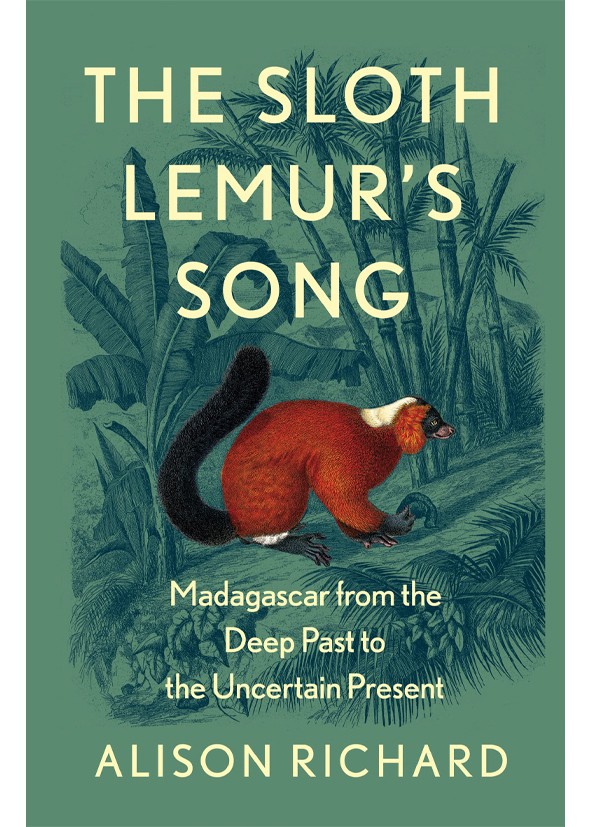
The Sloth Lemur’s Song
Alison Richard William Collins (2022)
Anthropologist and conservationist Alison Richard has been absorbed by Madagascar for half a century. She writes that the country’s “animals and plants offer a wonderful array of rabbit holes down which a person fascinated by the natural world could disappear for a lifetime”. Why, for example, does its largest lemur sing spellbindingly across the treetops with its mate for many minutes? And what environmental conditions created the island’s unique — now disastrously threatened —
Political Views: Emmanuel Macron’s Future, Russian War Crimes, Headset Wars
A selection of three essential articles read aloud from the latest issue of The Economist. This week, why Emmanuel Macron’s fate matters beyond France, war crimes in Ukraine (11:05) and we explore the new headset wars between tech firms (16:05).
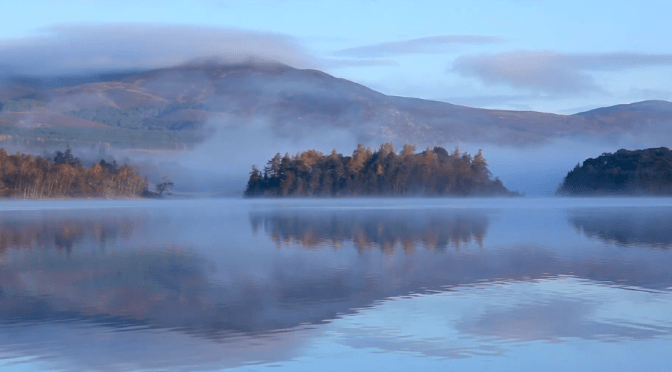
Preservation: Cairngorms National Park, Scotland
“When it comes to climate change, scale is essential. We need to be scaling up our work and being really bold and ambitious, and that’s exactly what Cairngorms Connect is.” Find out how Scotland’s largest landscape-scale restoration project is fighting back against climate change in our new film for Cairngorms Connect.
Cairngorms National Park is a national park in northeast Scotland, established in 2003. It was the second of two national parks established by the Scottish Parliament, after Loch Lomond and The Trossachs National Park, which was set up in 2002. The park covers the Cairngorms range of mountains, and surrounding hills. Already the largest national park in the United Kingdom, in 2010 it was expanded into Perth and Kinross.
Roughly 18,000 people reside within the 4,528 square kilometre national park. The largest communities are Aviemore, Ballater, Braemar, Grantown-on-Spey, Kingussie, Newtonmore, and Tomintoul. Tourism makes up about 80% of the economy.[4] In 2018, 1.9 million tourism visits were recorded. The majority of visitors are domestic, with 25 per cent coming from elsewhere in the UK, and 21 per cent being from other countries.
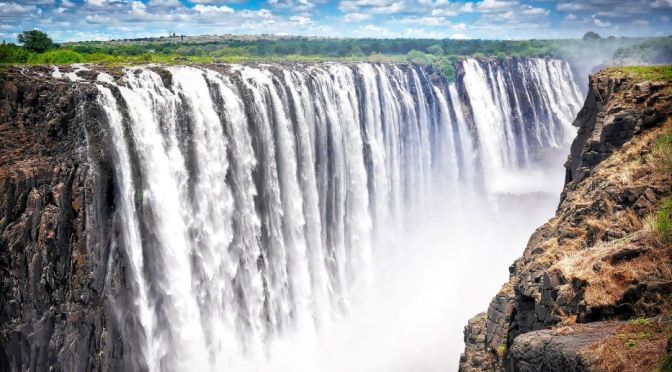
Views: Victoria Falls In Zambia And Zimbabwe (4K)
Victoria Falls presents a spectacular sight of awe-inspiring beauty and grandeur on the Zambezi River, forming the border between Zambia and Zimbabwe. It was described by the Kololo tribe living in the area in the 1800s as ‘Mosi-oa-Tunya’ – ‘The Smoke that Thunders’. In more modern terms Victoria Falls is known as the greatest curtain of falling water in the world.
Columns of spray can be seen from miles away as, at the height of the rainy season, more than five hundred million cubic meters of water per minute plummet over the edge, over a width of nearly two kilometres, into a gorge over one hundred meters below.

Previews: The New Yorker Magazine – April 18, 2022
April 18, 2022 – The street corner on this week’s cover, with towering luxury condos rising among modest family homes, evokes a neighborhood in transition—a scene that is being repeated across New York City’s outer boroughs. We talked to the artist Nicole Rifkin, who lived in Brooklyn’s Crown Heights before rising rents pushed her out, about a sense of belonging and observing the small details of the place where you live.
Morning News: French Election, Russia Targets Civilians, EU Oil Imports
We discuss France’s presidential elections. Plus: the latest on the war in Ukraine, Mexico’s curious referendum and a review of today’s papers.
 Boomers Daily