Democratic presidential candidates clashed in a televised debate in New Hampshire on Friday night at the end of a week dominated by the Iowa caucuses chaos and Donald Trump’s acquittal. Attacks were focused against Pete Buttigieg and Bernie Sanders, the two candidates who declared victory in Iowa, as the hottest topics discussed were healthcare and race.
What makes us who we are? What combination of memory, history, biology, experience and that ineffable thing called the soul defines us?
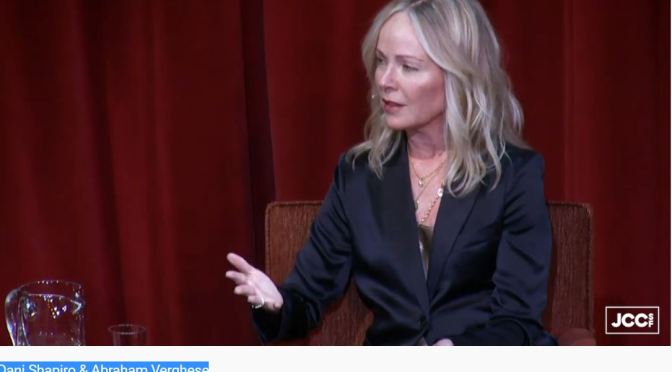
In 2016, celebrated writer and memoirist Dani Shapiro took a genetic test on a whim, believing that she knew her history well – the daughter of Orthodox Ashkenazi Jews, raised on her father’s stories of their family and ancestors. But her DNA revealed that the man she’d known as her father for her whole life was not biologically related to her. With this news, her history – and the entire life she had lived – suddenly crumbled beneath her.
Dani Shapiro is an American writer who is the author of five novels and the best-selling memoirs Inheritance, Hourglass, Slow Motion, and Devotion. She has also written for magazines such as The New Yorker, The Oprah Magazine, Vogue, and ELLE.
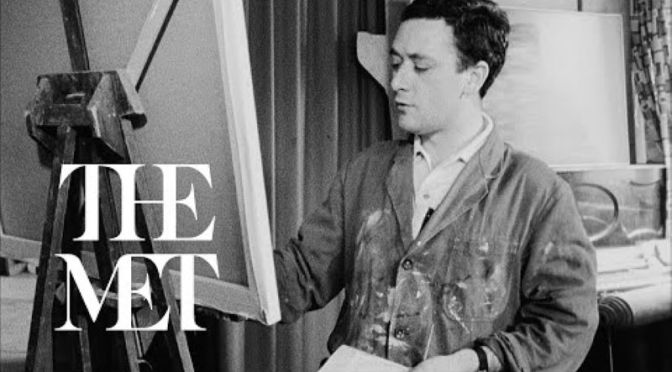
Watch a video preview of Gerhard Richter: Painting After All, on view at The Met Breuer from March 4 through July 5, 2020. The exhibition, which considers Richter’s six-decade-long preoccupation with the dual means of representation and abstraction to explore the material, conceptual and historical implications of painting, spans the entirety of Richter’s prolific and innovative career, and presents over one hundred works that focus on his specific commitment to the medium, as well as his related interests in photography, digital reproduction, and sculpture.
Syndicated columnist Mark Shields and New York Times columnist David Brooks join Judy Woodruff to discuss the week’s political news, including the Senate’s decision to acquit President Trump on both articles of impeachment, Trump’s State of the Union address, the messy Iowa Democratic caucus results and which 2020 Democrats have momentum going into the New Hampshire primary.
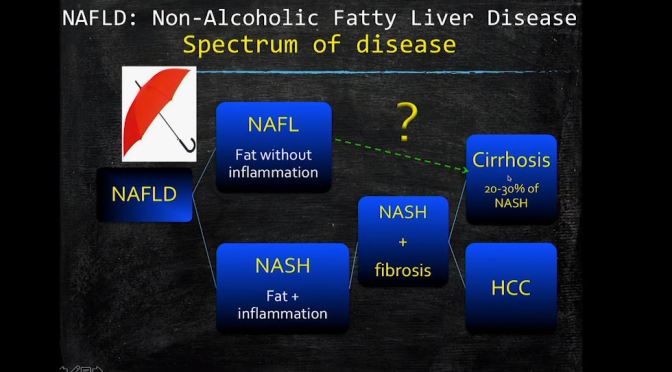
Nonalcoholic fatty liver disease (NAFLD) occurs when fat is deposited in the liver, without other causes of fatty liver identified. Dr. Danielle Brandman explores who is at risk, diagnosis, staging, complications and management.
More from: Organ Failure and Replacement: Why Organs Fail and What Therapies are Available for Organ Replacement (https://www.uctv.tv/organ-failure-rep…)
A behind-the-scenes look at what it takes to build a new kind of car company. Follow the Rivian team out of stealth mode and into the wild as we prepare to launch the world’s first electric adventure vehicles.
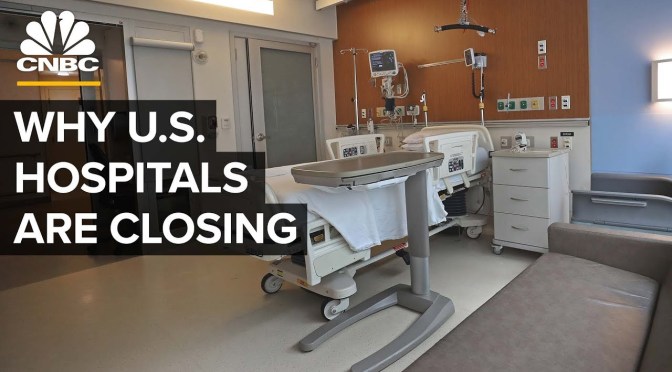
In rural towns across the U.S. hospitals are in crisis. Since 2010, 121 rural hospitals have closed. And, the National Rural Health Association says more than one-third of all rural hospitals in the U.S. are at serious risk of shutting down.
But not all hospitals are losing money. A series of mergers and acquisitions that began in the 1990’s has created massive hospital groups. Many of these hospital consortiums are turning huge profits every year by offering high priced services to well insured patients.
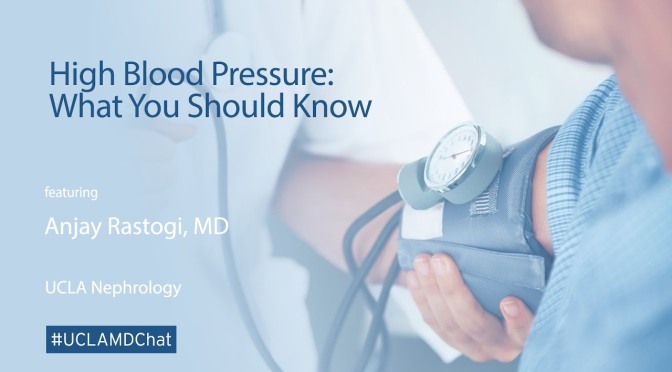
Join UCLA nephrologist Anjay Rastogi, MD, for an overview of high blood pressure and ways to manage the condition. We will discuss relevant treatment modalities including medications and lifestyle changes.
A “mesmerizing” re-imagination of the final months of World War II (Kate Quinn, author of The Alice Network), Hannah’s War is an unforgettable love story about an exceptional woman and the dangerous power of her greatest discovery.
.
Berlin, 1938. Groundbreaking physicist Dr. Hannah Weiss is on the verge of the greatest discovery of the 20th century: splitting the atom. She understands that the energy released by her discovery can power entire cities or destroy them. Hannah believes the weapon’s creation will secure an end to future wars, but as a Jewish woman living under the harsh rule of the Third Reich, her research is belittled, overlooked, and eventually stolen by her German colleagues. Faced with an impossible choice, Hannah must decide what she is willing to sacrifice in pursuit of science’s greatest achievement.
New Mexico, 1945. Returning wounded and battered from the liberation of Paris, Major Jack Delaney arrives in the New Mexican desert with a mission: to catch a spy. Someone in the top-secret nuclear lab at Los Alamos has been leaking encoded equations to Hitler’s scientists. Chief among Jack’s suspects is the brilliant and mysterious Hannah Weiss, an exiled physicist lending her talent to J. Robert Oppenheimer’s mission. All signs point to Hannah as the traitor, but over three days of interrogation that separate her lies from the truth, Jack will realize they have more in common than either one bargained for.
Hannah’s War is a thrilling wartime story of loyalty, truth, and the unforeseeable fallout of a single choice.


 What makes us who we are? What combination of memory, history, biology, experience and that ineffable thing called the soul defines us?



 A “mesmerizing” re-imagination of the final months of World War II (Kate Quinn, author of The Alice Network), Hannah’s War is an unforgettable love story about an exceptional woman and the dangerous power of her greatest discovery.
 Boomers Daily