Cardiovascular consults are way down. Is the threat of COVID-19 infection scaring people away from ED’s?
We caught up with Dr. Comilla Sasson, the American Heart Association’s VP for science and innovation. She’s an emergency physician who teaches at the University of Colorado. She’d traveled to New York City to “help with the response,” and she talked with us from a field hospital that had been set up on a tennis court in Central Park.
She had lots to say about what’s driving patients away from emergency departments these days and what’s likely to happen in medicine (hello, telemedicine!) once the pandemic abates.
A selection of three essential articles read aloud from the latest issue of The Economist. This week, is China the pandemic’s big geopolitical winner? (8:30) Saudi Arabia has declared a ceasefire in Yemen, but the Houthis are fighting on. (14:13) And, how Britain’s glossy magazines are adjusting to a gloomy world.
As gyms are closed and many of us are stuck at home, it’s an opportune time for home fitness platforms. We speak to Bruce Smith, founder of Hydrow, while Jason de Savary of London’s Core Collective talks about the gym’s new CCTV platform.
Bruce Smith, CEO & Founder
Life-long entrepreneur and rower, Head of the Charles winner, coached the US Lightweight Eight to a Bronze medal at the 2015 World Rowing Championships and former Executive Director of Community Rowing – Boston.
Every aspect of Hydrow is engineered by rowing experts to elevate your experience. From computer-controlled resistance to revolutionary Live Outdoor Reality™ technology, Hydrow delivers an effective and enjoyable workout that brings the river home to you.
Benjamin Thompson, Noah Baker, and Amy Maxmen discuss Trump withholding funds from the WHO, and how COVID-19 kills. We also hear about controlling misinformation while communicating risk.
In this episode:
01:15 Understanding bottlenecks
After listening to last week’s episode of Coronapod, researchers in the USA were inspired to start collecting data about the challenges facing labs carrying out testing. After more than 4,000 responses to their online survey, we discuss their goals.
03:08 A hole in the WHO’s funding
US President Donald Trump has announced plans to withhold funding for the WHO, pending a review of the organization’s handling of the pandemic. We discuss the decision and ask what it means for the global response to COVID-19.
We investigate the role of the immune system in the death of COVID-19 patients and what this could mean for treatments. Could some therapeutics actually be undermining the body’s ability to fight the virus?
Our hosts pick out things that have made them smile in the last 7 days, including seasonal memories from Sierra Leone, a trip to the supermarket, and the 99-year old war veteran who has raised millions for charity.
Clearly communicating risks and evidence is key for governments and other organisations if they are to best inform the public during the pandemic. But what is the best way to do it? We hear the methods that communications experts and behavioural scientists recommend to keep the public informed, and keep misinformation at bay.
Contributing Correspondent Kai Kupferschmidt talks with host Sarah Crespi about countries planning a comeback from a coronavirus crisis. What can they do once cases have slowed down to go back to some sort of normal without a second wave of infection?
Contributing Correspondent Lizzie Wade joins Sarah to talk about water management and the downfall of the ancient Wari state. Sometimes called the first South American empire, the Wari culture successfully expanded throughout the Peruvian Andes 1400 years ago.
Also this week, Yon Visell of the University of California, Santa Barbara, talks with Sarah about his Science Advances paper on the biomechanics of human hands. Our skin’s ability to propagate waves along the surface of the hand may help us sense the world around us.
Jamie Waters explains how the fashion industry emerged as a vital contributor in the fight against the pandemic. Many brands, big and small, have pivoted to make masks and other protective equipment.
SCIENTISTS ARE working at an unprecedented pace to find a vaccine for SARS-CoV-2, the virus that causes covid-19. The stakes are high. Natasha Loder, The Economist’s health policy editor, explains how an effective vaccine might be developed.
Dr Trevor Drew of the Australian Centre for Disease Preparedness speaks to host Kenneth Cukier about two trials which have reached the animal-testing stage. Plus, once a vaccine is discovered, what can be done to make sure it is distributed fairly? Dr Seth Berkely, chief executive of GAVI, the vaccine alliance, explains the importance of global cooperation. Runtime: 26 min
More than 6 million people worldwide have Parkinson disease. Even though it is classically associated with tremors, the disease has many manifestations and is very treatable for most patients.
Michael S. Okun, MD, from the Department of Neurology at the University of Florida, Gainesville, discusses the pathophysiology, clinical presentation, diagnosis, and treatment of Parkinson disease.
Historically, the U.S. Centers for Disease control and Prevention has been the agency in charge of predicting, and containing outbreaks of disease. But as Covid 19 ravaged the country, the agency took a backseat to the White House.
Michelle Fay Cortez and John Tozzi discuss how the agency has handled the pandemic response, its early missteps, and how its role is likely to change in the future.
A selection of three essential articles read aloud from the latest issue of The Economist. This week, the business of survival—those companies that survive the coronavirus crisis will need to master a new environment. Plus, how to reopen factories after covid-19 (9:23) and Venezuela’s navy battles a cruise ship, and loses (17:41).
News, Views and Reviews For The Intellectually Curious

 Cardiovascular consults are way down. Is the threat of COVID-19 infection scaring people away from ED’s?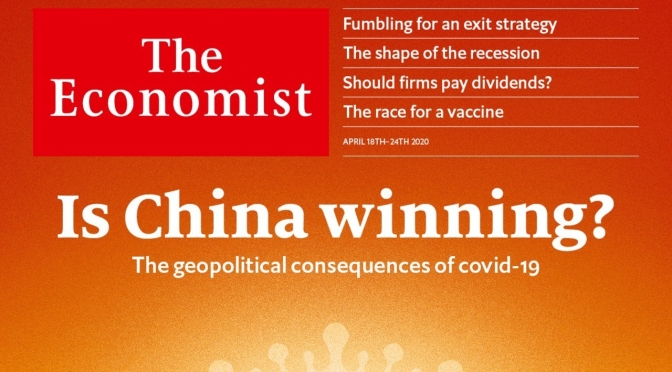
 A selection of three essential articles read aloud from the latest issue of The Economist. This week, is
 As gyms are closed and many of us are stuck at home, it’s an opportune time for home fitness platforms. We speak to Bruce Smith, founder of Hydrow, while Jason de Savary of London’s Core Collective talks about the gym’s new CCTV platform.
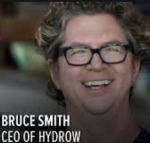 Life-long entrepreneur and rower, Head of the Charles winner, coached the US Lightweight Eight to a Bronze medal at the 2015 World Rowing Championships and former Executive Director of Community Rowing – Boston.
 Benjamin Thompson, Noah Baker, and Amy Maxmen discuss Trump withholding funds from the WHO, and how COVID-19 kills. We also hear about controlling misinformation while communicating risk.
 Contributing Correspondent Kai Kupferschmidt talks with host Sarah Crespi about countries planning a comeback from a coronavirus crisis. What can they do once cases have slowed down to go back to some sort of normal without a second wave of infection?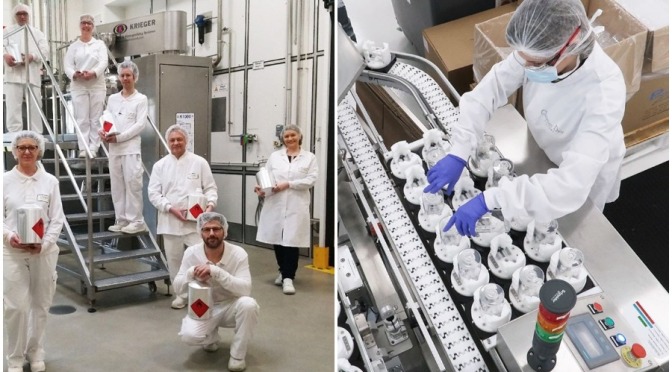
 Jamie Waters explains how the fashion industry emerged as a vital contributor in the fight against the pandemic. Many brands, big and small, have pivoted to make masks and other protective equipment.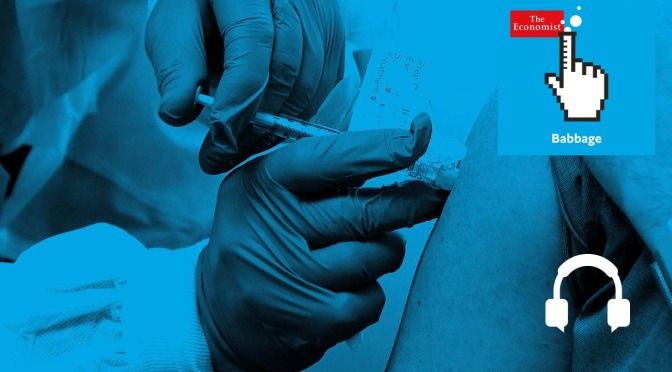

 More than 6 million people worldwide have Parkinson disease. Even though it is classically associated with tremors, the disease has many manifestations and is very treatable for most patients.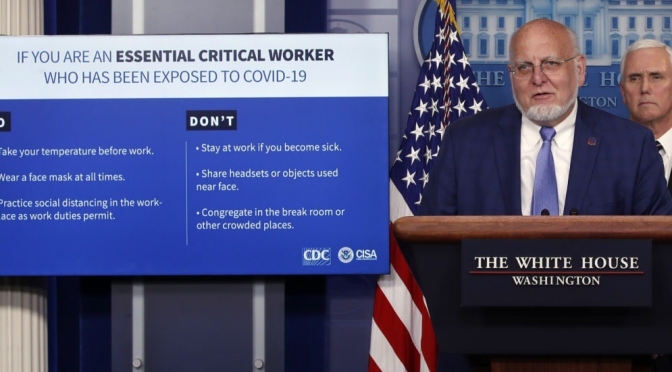
 Historically, the U.S. Centers for Disease control and Prevention has been the agency in charge of predicting, and containing outbreaks of disease. But as Covid 19 ravaged the country, the agency took a backseat to the White House.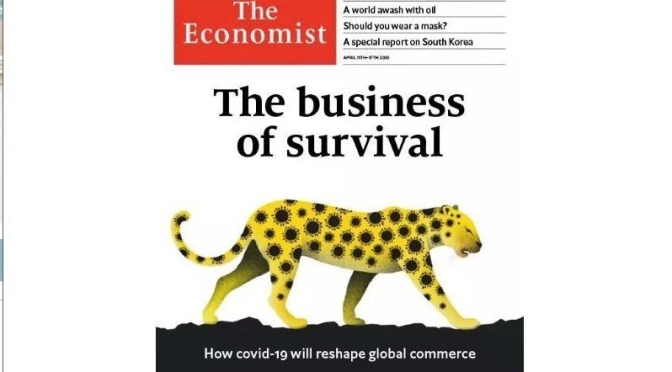
 Boomers Daily