
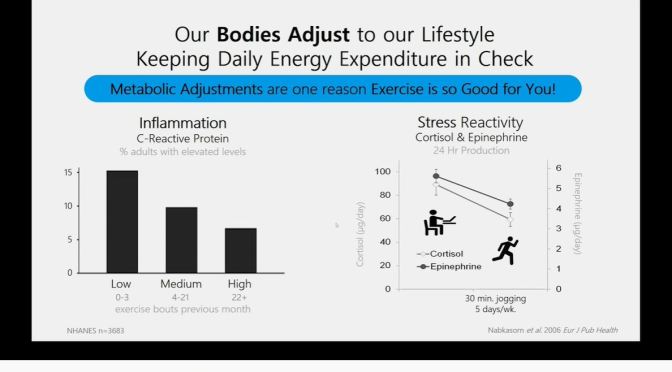
Human physical activities differ significantly from other species. How, when and why did these capabilities evolve? What adaptations underlie them? And how did the evolution of human physical activity affect other key human characteristics that have advanced our species?
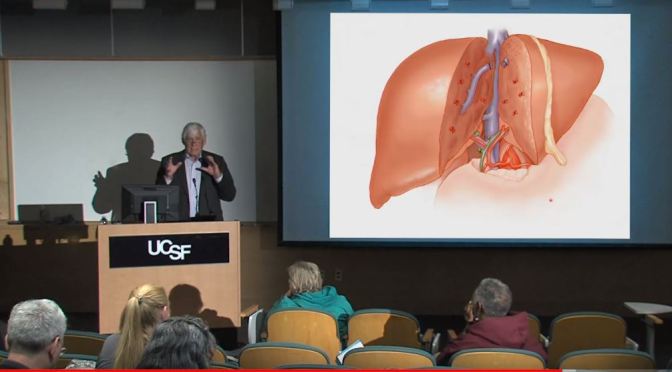
Herman Pontzer explores the evolution of human metabolism and its role in our evolution and health. From an evolutionary perspective, life is a game of turning energy into offspring. The strategies that species use to acquire energy, in the form of food, and allocate energy to the essential tasks of growth, maintenance, movement, and reproduction, are incredibly diverse and reflect the ecological pressures and opportunities encountered. There is a deep evolutionary history of the human metabolic strategy and our divergence from other apes.
Timeline: 00:00 – Start 01:38 – The Evolution of Human Metabolism
More from: CARTA: The Evolution of Human Physical Activity (https://www.uctv.tv/carta-physical-ac…)




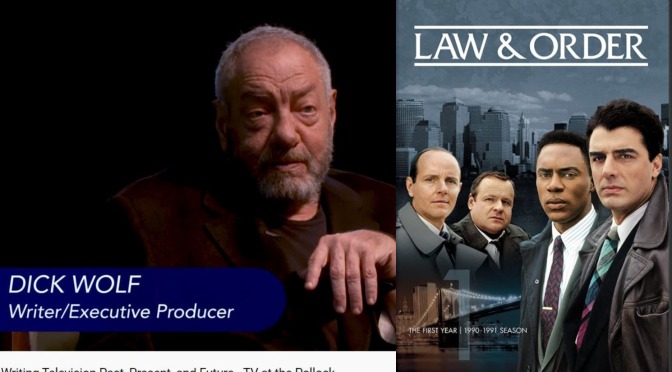
 The narrative engine of Hill Street Blues, lessons in brevity from writing for advertising, and structural differences between Law & Order and Law & Order: SVU arise in this conversation between executive producer/writer Dick Wolf and Carsey-Wolf Center director Patrice Petro. In this video, Wolf describes his first experiences in a TV writing room and the foundations of the record-breaking run of Law & Order: SVU. Recorded on 02/06/2020.

 Rossini’s 1829 opera “William Tell” is rarely performed today, but its Overture lives on as one of the most popular works in the classical repertoire. The Overture is essentially an instrumental suite written in four parts and performed without pause. The best-known section is the last, the allegro vivace, famously used as the rousing theme music for “The Lone Ranger” radio and TV series (and notoriously so in “A Clockwork Orange).
 Boomers Daily