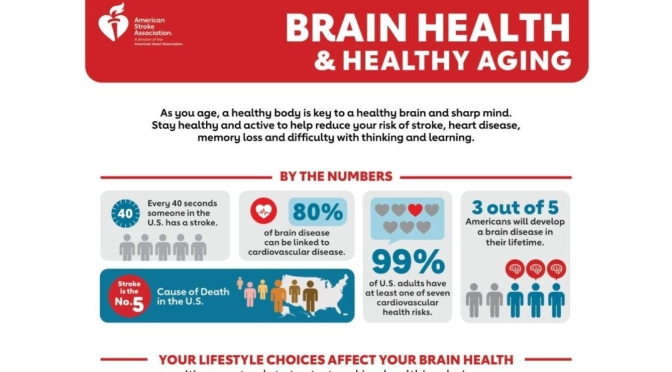

Infographic: Brain Health, Strokes & Healthy Aging

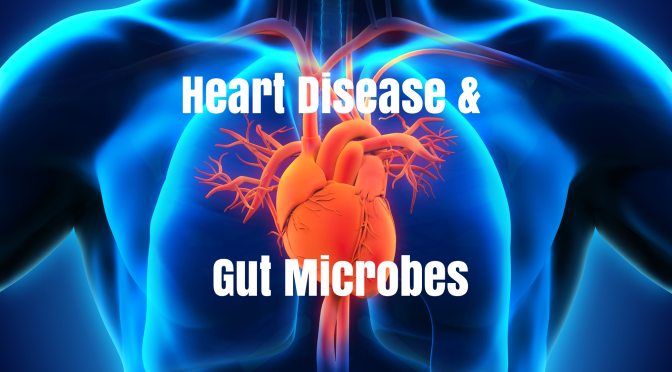
Hazen and colleagues find that gut bacteria play a central role in the conversion of dietary proteins into a compound, phenylacetylglutamine ( PAGln), which not only is associated with future cardiovascular disease risk in humans but also promotes platelet responsiveness and blood clotting potentially via adrenergic receptors, according to mouse models.
 This small device may change how doctors identify and manage patients with atrial fibrillation, an irregular heart rhythm that increases risk of stroke.
And the past. The device uses artificial intelligence, or AI, to not only determine if a person is in the midst of an episode of atrial fibrillation, but also it can reveal if they’ve had the irregular rhythm before or will have it in the future.
Dr. Paul Friedman and his team trained the device to detect subtle changes in the heart’s electrical signals. Then in a study, they found it can identify patients with episodic atrial fibrillation. Even when they record the heart while the rhythm is normal – something no current wearable heart monitor can do.
That’s because a heart monitor won’t detect atrial fibrillation unless you have an episode while wearing it. But in a matter of moments, the AI device can identify people with atrial fibrillation, even if their heart is in normal rhythm. Then they can get on the right treatment to help prevent life-threatening strokes from happening.
From a Wall Street Journal online article (01/14/20):
Americans are dying of heart disease and strokes at a rising rate in middle age, normally considered the prime years of life. An analysis of U.S. mortality statistics by The Wall Street Journal shows the problem is geographically widespread.
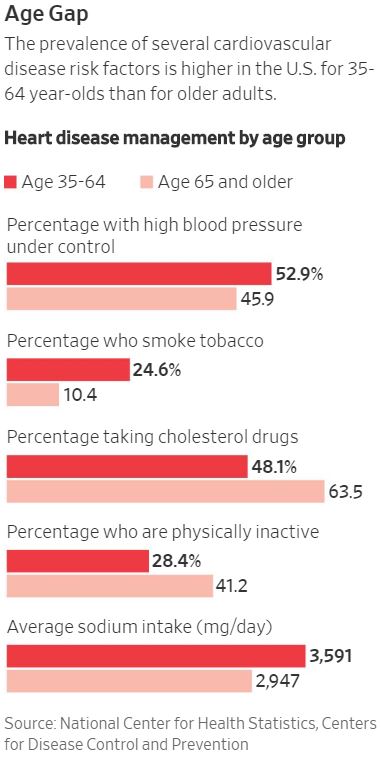 Death rates from cardiovascular disease among people between the ages of 45 and 64 are rising in cities all across the country, including in some of the most unlikely places.
In the Journal’s analysis, three metro areas east of Colorado’s Rocky Mountains—Colorado Springs, Fort Collins and Greeley—recorded some of the biggest increases. Death rates in each rose almost 25%. The three cities boast robust access to exercise and health care. There are bike trails, good heart-disease treatment-and-prevention programs and nearby skiing and hiking.

From a European Heart Journal study:
 When the five sleep factors were collapsed into binary categories of low risk vs. high risk (reference group), early chronotype, adequate sleep duration, free of insomnia, and no frequent daytime sleepiness were each independently associated with incident CVD, with a 7%, 12%, 8%, and 15% lower risk, respectively (Table 3). Early chronotype, adequate sleep duration, and free of insomnia were independently associated with a significantly reduced risk of CHD; while only adequate sleep duration was associated with stroke.
 Cardiovascular disease (CVD), including coronary heart disease (CHD) and stroke, is among the leading causes of mortality globally.1 In addition to traditional lifestyle behaviours, emerging evidence has implicated several unhealthy sleep behaviours were important risk factors for CVD.2,3 For example, short or long sleep duration,4–9 late chronotype,10,11 insomnia,12–17 snoring,18,19 and excessive daytime sleepiness20,21 were associated with a 10–40% increased CVD risk.
To read more: https://academic.oup.com/eurheartj/advance-article/doi/10.1093/eurheartj/ehz849/5678714
From a The Lancet online article:
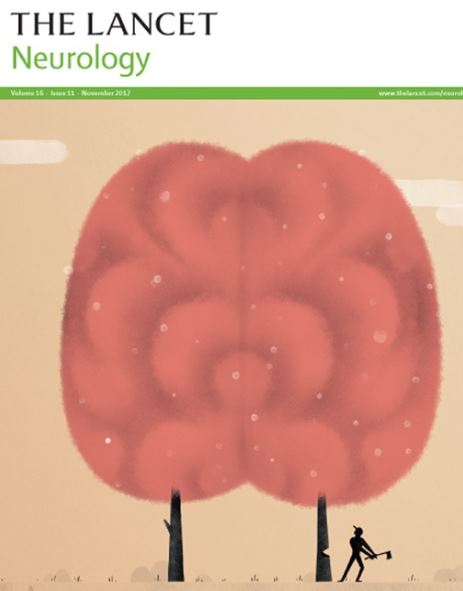 As a consultant, I had profoundly failed to appreciate the experience of fatigue and apathy among patients. More than excessive tiredness, the fatigue was overwhelming, turning simple activities into insurmountable, exhausting challenges. It was frustrating and I fell into the trap of overexertion when I did have energy, thus exhausting myself and sabotaging the day’s recovery plan. Had staff not been so adept at encouraging me when I lacked energy and holding me back when I tried to overdo things, I would have squandered much valuable rehabilitation time.
From a The Telegraph online article:
A new study (in The Lancet, Aug 16, 2019) reveals that pensioners who have an operation have a one in 14 chance of suffering a silent or “covert” stroke – an event that shows no obvious symptoms but can damage the brain.

More than 1,100 patients across the world were given MRI scans nine days after some form of major non-cardiac surgery.
They were then followed up a year later to assess their cognitive abilities.
The researchers found that not only did having a silent stroke double the chances of cognitive decline a year on, it also increased the chances of a full life-threatening stroke.
Suffering a mini-stroke increased the risk of experiencing postoperative delirium as well.
The Lancet Study: https://www.thelancet.com/journals/lancet/article/PIIS0140-6736(19)31795-7/fulltext?utm_campaign=clinical19&utm_content=98869259&utm_medium=social&utm_source=twitter&hss_channel=tw-27013292
To read more click on the following link: https://www.telegraph.co.uk/science/2019/08/15/silent-stroke-risk-major-surgery-revealed-new-study/
From NY Times article by Jane E. Brody:
 The learning curve was steep: “I couldn’t read; I couldn’t write. I could see the hospital signs, the elevator signs, the therapists’ cards, but I couldn’t understand them,” he wrote. The aphasia — the inability to understand or express speech — “had beaten and battered” his pride.
But he refused to give up. With age and prestroke physical conditioning on his side, he had convinced himself that “100 percent recovery was possible as long as I pushed hard enough.”
Strange as it may seem, the stroke Ted Baxter suffered in 2005 at age 41, leaving him speechless and paralyzed on his right side, was a blessing in more ways than one. Had the clot, which started in his leg, lodged in his lungs instead of his brain, the doctors told him he would have died from a pulmonary embolism.
And as difficult as it was for him to leave his high-powered professional life behind and replace it with a decade of painstaking recovery, the stroke gave his life a whole new and, in many ways, more rewarding purpose.
Read more by clicking link below:
www.nytimes.com/2019/07/01/well/live/reversing-the-damage-of-a-massive-stroke.html



 Boomers Daily