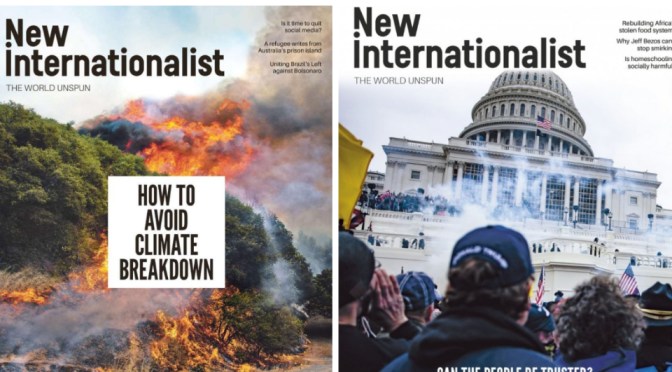
Railways can be a world unto themselves. When properly managed, this can mean it’s easier to get things done on the railways than in other parts of an economy. That should be a huge opportunity for reducing climate emissions by getting passengers off the roads and out of the skies. But unless we re-purpose rail networks to serve the interests of people – and not those of the empires and corporations which built them and run them to this day – we can’t succeed. This edition explores how we can make a start on this task.
The U.S. is home to some of the most beautiful places on the planet, but climate change poses a threat to these natural treasures. On this episode of Overheard, learn how innovation and Indigenous knowledge could change how we protect the environment.
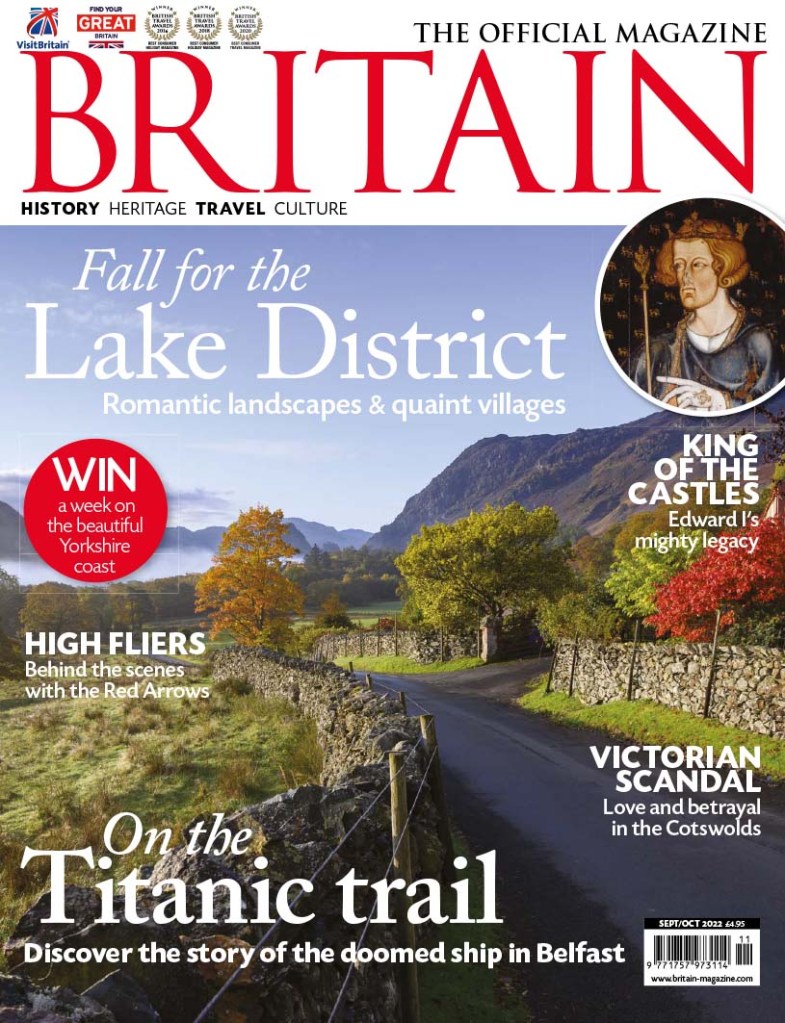
There’s something about the Lake District – something that sparks the imagination and soothes the soul. A picture-perfect expanse of rugged peaks, placid waters and rolling farmland, neatly divided by dry-stone walls and dotted with stone-built villages, northwest England’s Lake District has the double accolade of being both a UNESCO World Heritage Site and a National Park.
Heat, drought and wildfires are ravaging western wildlife while conservationists try to help ecosystems adapt
By Brianna Randall – Conservation, Aug 02, 2022
Dead mussels lie along the Pacific shore of Vancouver, British Columbia, during 2021’s summer heat wave. Scientists estimate that the record-breaking heat killed more than 1 billion marine animals off the coasts of British Columbia and Washington state. (Photo by Christopher Harley/University of British Columbia)
GASPING SALMON WITH INFECTED LESIONS. Emaciated deer searching sagebrush flats for water. Clams and mussels boiled to death in their shells. Last summer, temperatures in the Northwest soared to record highs in the triple digits, killing more than 1 billion marine animals in the Salish Sea and stressing wildlife from the Pacific to the Rocky Mountains. Simultaneously, ongoing drought in the Southwest—which began in 2000 and is the region’s driest 22-year period in 1,200 years—is causing plants to wither, springs to dry up and wildfires to engulf entire landscapes.
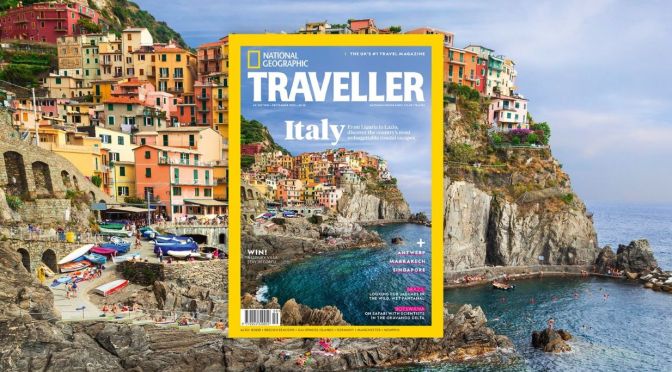
The September issue of National Geographic Traveller (UK) is out now. The cover story this month focuses on the Italian coast, which encapsulates the very best of the country.
News, Views and Reviews For The Intellectually Curious











 Boomers Daily