

Kelp locks up millions of tonnes of carbon globally, provides a nursery for fish and is a buffer against coastal flooding. But climate change, weather and fishing are taking their toll. Now, Mika Peck and his team at the University of Sussex are monitoring kelp off the south coast of the UK, to see if it can recover from the damage done to it by trawling and help improve biodiversity in the area.
Tag Archives: Reviews

Literary Views: London Review Of Books (July29)
Science: Gun Violence Research Returns, Pikas In Winter & Glass Sponges
Funding for gun violence research in the US returns after a 20-year federal hiatus, and the glass sponges that can manipulate ocean currents.
In this episode:
00:45 Gun violence research is rebooted
For 20 years there has been no federally-funded research on gun violence in the US. In 2019, $25 million a year was allocated for this work. We speak to some of the researchers that are using these funds, and the questions they are trying to answer about gun violence.
News Feature: Gun violence is surging — researchers finally have the money to ask why
Podcast: Stick to the science
09:21 Research Highlights
Strategic laziness and yak dung help pikas survive harsh winters, and how food gets wasted in China’s supply chains.
Research Highlight: Pikas in high places have a winter-time treat: yak poo
Research Highlight: China wastes almost 30% of its food
11:40 How a sea sponge controls ocean currents
Venus’ flower baskets are marine sponges that live at the bottom of the Pacific Ocean. These sponges have an unusual glass skeleton that helps them gather food, and even appears to control ocean currents.
Research Article: Falcucci et al.
News and Views: Fluid flow through a deep-sea sponge could inspire engineering designs
18:55 Briefing Chat
We discuss some highlights from the Nature Briefing. This time, investment in non-human primate facilities, and the European Union’s latest climate plan.
Nature News: The US is boosting funding for research monkeys in the wake of COVID
BBC News: EU unveils sweeping climate change plan
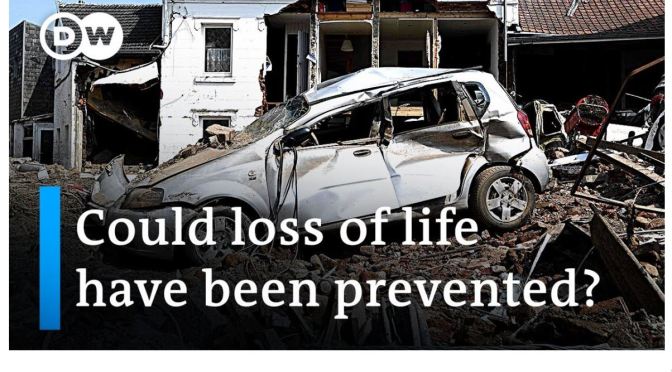
Review: A German Flood Warning System Failure?
00:00 The death toll from Germany’s devastating flood disaster has risen to more than 160, as emergency workers continue to search for dozens of people still unaccounted for. German authorities insist their flood warnings worked, even though there was massive loss of life. Some experts say Germany’s flood warning system failed and has led to such widespread devastation. They say authorities knew what was coming, but failed to prepare.
02:28 DW reporter Giulia Saudelli is on the ground covering the latest developments. She joins us from the town of Altenahr, in the German state of Rhineland-Palatinate, which was especially hard hit by the flooding.
05:19 DW reporter Emily Gordine is covering the latest developments in Schönau, in the southern German state of Bavaria. 09:40 Jeff Da Costa, he’s a researcher focusing on flood warning systems at the University of Reading and has been personally affected by events as his family’s home in Luxembourg was flooded.
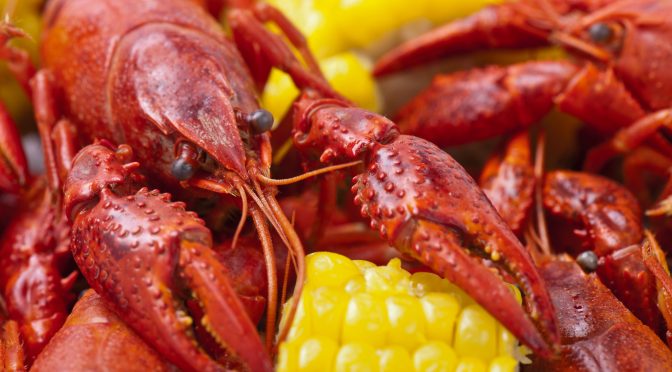
Views: How Louisiana Rice Farmers Produce Millions Of Pounds Of Crawfish
Rice farmers like Mike Frugé of Cajun Crawfish in Louisiana figured out that the two year growing cycle of crawfish synced perfectly with the two year cycle of the rice crop. He shows us how his rice fields are seeded with baby crawfish every other year, creating a new source of food and income for farmers in the area.
Credits: Host: Daniel Geneen Producer/Director: Connor Reid Camera: Connor Reid, Matthew Koesy Editor: Mike Imhoff
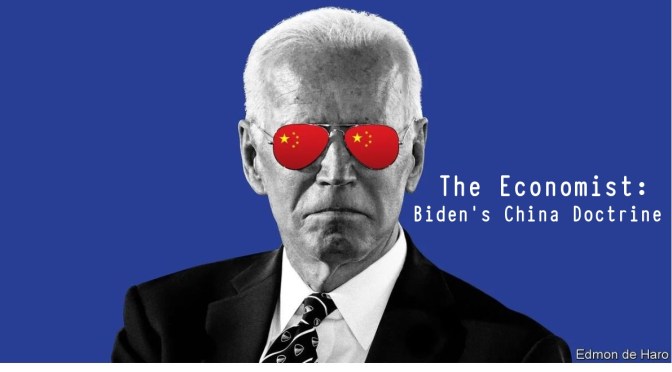
Politics: Biden’s China Doctrine, South Africa, Carbon Border Taxes
A selection of three essential articles read aloud from the latest issue of The Economist. This week: Biden’s new China doctrine, a jailed ex-president won’t go quietly in South Africa (8:44), and carbon border taxes (14:32).
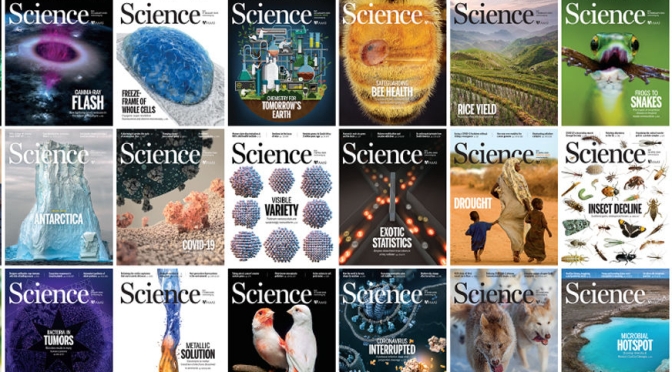
Journal Views: ‘Science Magazine’ – July 16, 2021
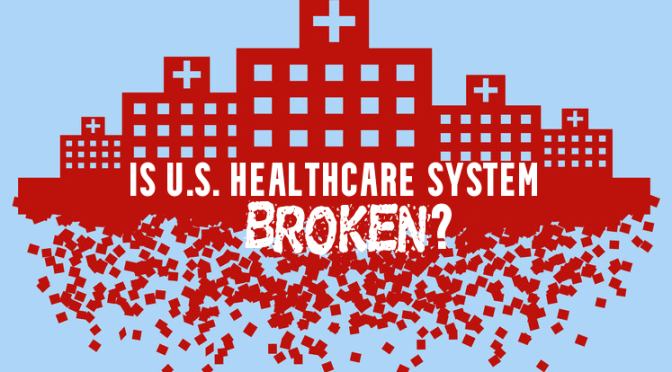
Views: Is U.S. Healthcare System Broken? (Harvard)


Here’s a question that’s been on my mind and perhaps yours: Is the US healthcare system expensive, complicated, dysfunctional, or broken? The simple answer is yes to all.
Below are 10 of the most convincing arguments I’ve heard that our system needs a major overhaul. And that’s just the tip of the iceberg. Remember, an entire industry has evolved in the US just to help people navigate the maddeningly complex task of choosing a health insurance plan.
The cost is enormous
- High cost, not highest quality. Despite spending far more on healthcare than other high-income nations, the US scores poorly on many key health measures, including life expectancy, preventable hospital admissions, suicide, and maternal mortality. And for all that expense, satisfaction with the current healthcare system is relatively low in the US.
- Financial burden. High costs combined with high numbers of underinsured or uninsured means many people risk bankruptcy if they develop a serious illness. Prices vary widely, and it’s nearly impossible to compare the quality or cost of your healthcare options — or even to know how big a bill to expect. And even when you ask lots of questions ahead of time and stick with recommended doctors in your health insurance network, you may still wind up getting a surprise bill. My neighbor did after knee surgery: even though the hospital and his surgeon were in his insurance network, the anesthesiologist was not.
Access is uneven
- Health insurance tied to employment. During World War II, healthcare was offered as a way to attract workers since employers had few other options. Few people had private insurance then, but now a layoff can jeopardize your access to healthcare.
- Healthcare disparities. The current US healthcare system has a cruel tendency to delay or deny high-quality care to those who are most in need of it but can least afford its high cost. This contributes to avoidable healthcare disparities for people of color and other disadvantaged groups.
- Health insurers may discourage care to hold down costs. Many health insurance companies restrict expensive medications, tests, and other services by declining coverage until forms are filled out to justify the service to the insurer. True, this can prevent unnecessary expense to the healthcare system — and to the insurance company. Yet it also discourages care deemed appropriate by your physician.

Stock Trading: The Rise Of Robinhood (WSJ Video)
The twists and turns of the online brokerage’s path to a public offering The brokerage app Robinhood has transformed retail trading. WSJ explains its rise amidst a series of legal investigations and regulatory challenges as it looks forward to its IPO. Photo illustration: Jacob Reynolds/WSJ
Science: Heat Waves In U.S. Impacting Minorities, Graphene Layers, Twitter
Why heat waves disproportionately impact minorities in US cities, and the researcher that critiqued his whole career on Twitter.
In this episode:
00:45 How heat waves kill unequally
Researchers are beginning to unpick how historic discrimination in city planning is making the recent heat waves in North America more deadly for some than others.
News Feature: Racism is magnifying the deadly impact of rising city heat
11:59 Research Highlights
A graphene layer can protect paintings from age, and a new and endangered species of ‘fairy lantern’.
Research Highlight: A graphene cloak keeps artworks’ colours ageles
Research Highlight: Newfound ‘fairy lantern’ could soon be snuffed out forever
14:25 Self-criticism
When researcher Nick Holmes decided to criticise his past papers, in 57 tweets, he found the reflection enlightening. Now he’s encouraging other researchers to self-criticise, to help speed scientific progress.
World View: I critiqued my past papers on social media — here’s what I learnt
20:53 Briefing Chat
We discuss some highlights from the Nature Briefing. This time, Richard Branson’s commercial space flight, and the Maori perspective on Antarctic conservation.
The Washington Post: Richard Branson and his Virgin Galactic crew are safely back from space, ushering in a new era
The New York Times: The Maori Vision of Antarctica’s Future (intermittent paywall)
 Boomers Daily