
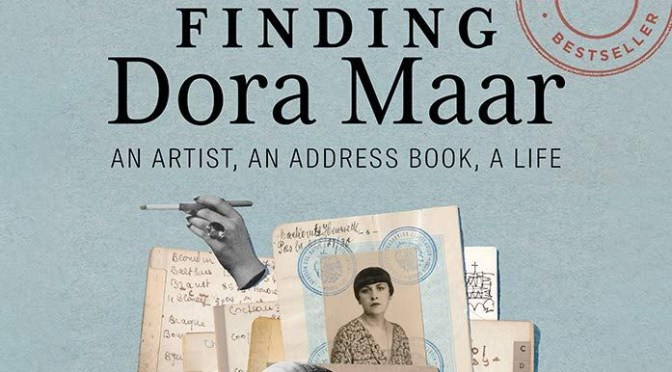
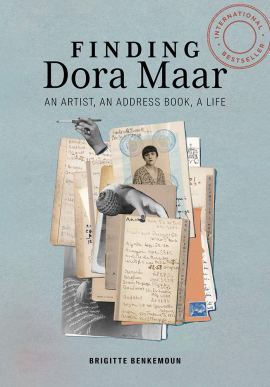
 In search of a replacement for his lost Hermès agenda, Brigitte Benkemoun’s husband buys a vintage diary on eBay. When it arrives, she opens it and finds inside private notes dating back to 1951—twenty pages of phone numbers and addresses for Balthus, Brassaï, André Breton, Jean Cocteau, Paul Éluard, Leonor Fini, Jacqueline Lamba, and other artistic luminaries of the European avant-garde.
After realizing that the address book belonged to Dora Maar—Picasso’s famous “Weeping Woman” and a brilliant artist in her own right—Benkemoun embarks on a two-year voyage of discovery to learn more about this provocative, passionate, and enigmatic woman, and the role that each of these figures played in her life.
Longlisted for the prestigious literary award Prix Renaudot, Finding Dora Maar is a fascinating and breathtaking portrait of the artist.
Brigitte Benkemoun is a journalist and writer. She is the author of La petite fille sur la photo (2012) and Albert le Magnifique (2016). Jody Gladding is a poet and translator. She has translated some thirty books from French, including, most recently, Roland Barthes’s Album: Unpublished Correspondence and Texts (2018), Michel Pastoureau’s Yellow: The History of a Color (2019), and Jean Giono’s Occupation Journal (2020).
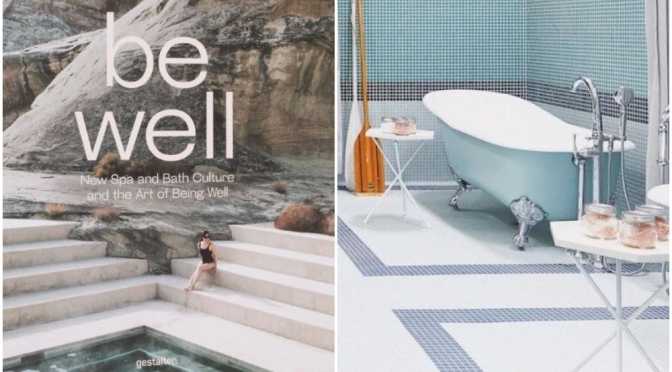
 Be Well delves into one of life’s greatest pleasures; a day spent rejuvenating the body and nourishing the spirit. Humans have practiced self-care for centuries—in the sweat lodges of the American Southwest, Roman baths, the hammams of the Ottoman Empire, Japanese onsens, and Finnish saunas. Today, a new interest in self-care is redefining how we accomplish wellness, and there have never been more options.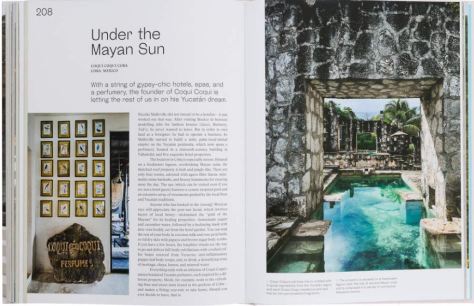

 With questionable coronavirus content flooding airwaves and online channels, what’s being done to limit its impact?

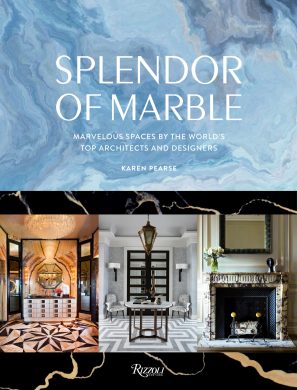 The first book to examine the many ways this beautiful stone can be incorporated into a home environment, describing the unique nature of marble and the leading role it plays in the best of interior design today.
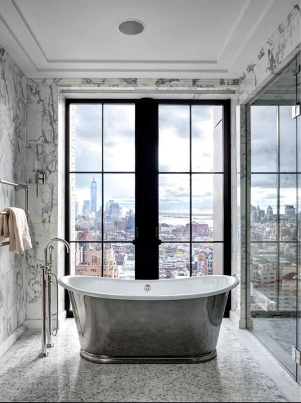 This is the first book that explores the many ways marble can bring color, pattern, and warmth to the home, as well as the vast array of beautiful types of marble that are available. It is a hugely popular material for home kitchens and bathrooms in particular, but it also is incorporated in outdoor patio spaces, hallways, and stairwells, even living rooms. All are featured here in gorgeous images, providing new inspiration for design lovers.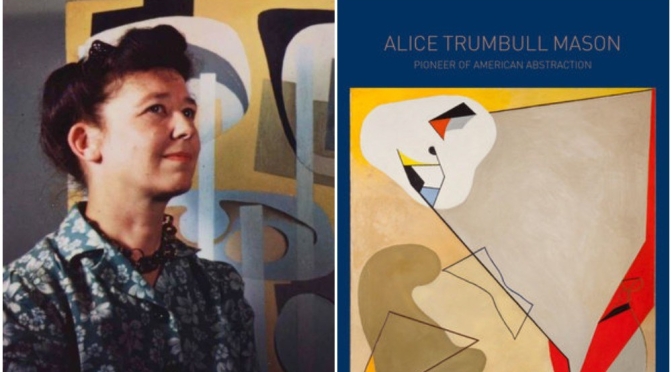
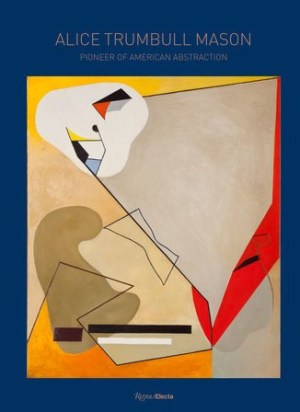 The first comprehensive publication exploring the life and art of pioneering American abstract artist Alice Trumbull Mason is perfect for audiences eager to discover unsung yet brilliantly talented women artists.
 Alice Trumbull Mason features essays that illuminate and contextualize the artist’s multifaceted work and personal life through her paintings, prints, poetry, and letters. The book reveals the full life story of a seminal abstractionist, making a sound argument for adding her to the annals of great twentieth-century artists.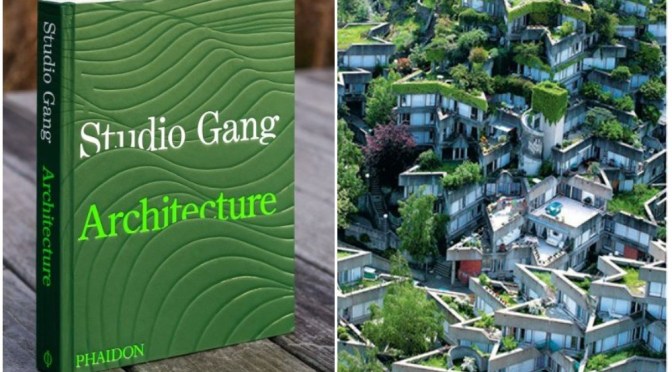
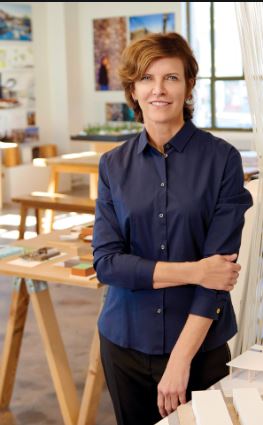 The most in-depth exploration of one of the most important, innovative, and creative architecture practices working today.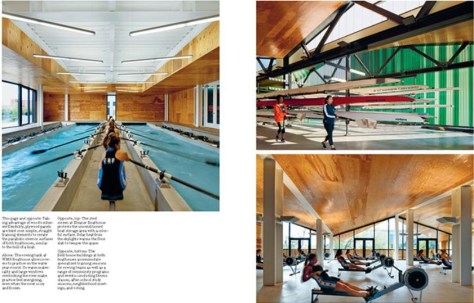



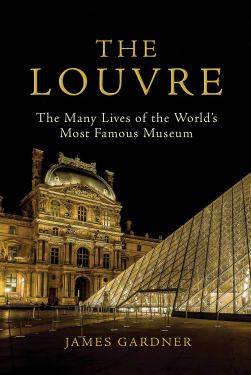 The fascinating and little-known story of the Louvre, from its inception as a humble fortress to its transformation into the palatial residence of the kings of France and then into the world’s greatest art museum.

 Boomers Daily