

On this week’s cover: An enhanced-color optical image of Jezero crater, Mars, taken by @NASAPersevere. New research in Science shows how much water flowed into this crater about 3.7 billion years ago.
— Science Magazine (@ScienceMagazine) November 4, 2021
Read that study and more in our latest issue: https://t.co/NipDNJ97OV pic.twitter.com/8Sc443yPJI
Tag Archives: Reviews

Front Covers: Nature Magazine – November 4

Research: Combatting Antibiotic Resistance

Previews: New Scientist Magazine – November 6

Previews: Times Literary Supplement – November 5
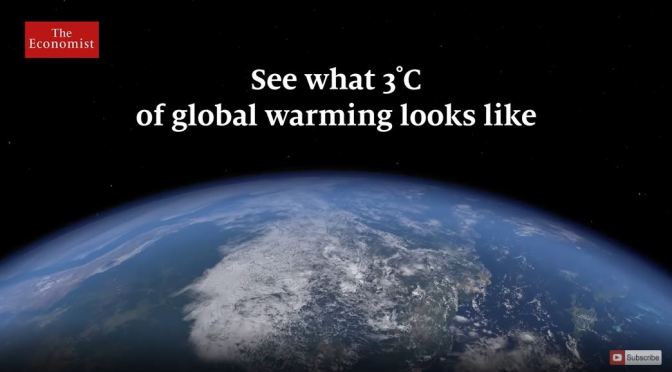
Views: What 3°C Of Global Warming Will Look Like
If global temperatures rise three degrees Celsius above pre-industrial levels, the results would be catastrophic. It’s an entirely plausible scenario, and this film shows you what it would look like.
Video timeline: 00:00 – What will a 3°C world look like? 00:57 – Climate change is already having devastating effects 02:58 – How climate modelling works 04:06 – Nowhere is safe from global warming 05:20 – The impact of prolonged droughts 08:24 – Rising sea levels, storm surges and flooding 10:27 – Extreme heat and wet-bulb temperatures 12:51 – Increased migration and conflict 14:26 – Adaptation and mitigation are crucial
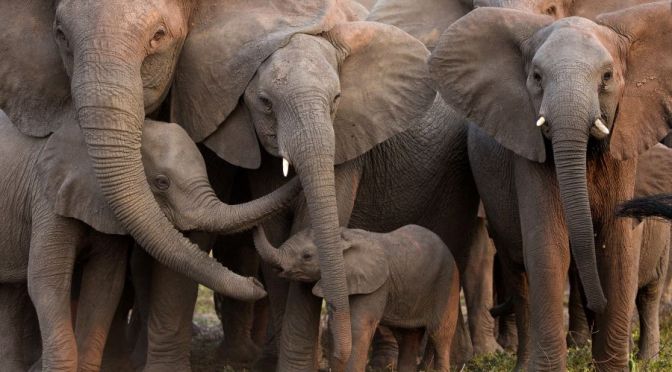
Wildlife: Why Many Baby Elephants Die In First Year
Life as a baby African elephant is precarious – around one third die in their first year. From raging rivers to dangerous droughts, the risks are many.
But sometimes the threat comes from inside the herd, where a strict hierarchy can mean the difference between life and death. In unique footage from Africa, we explore a new side to elephants’ complex society. We have more videos about incredible elephants, and a new topic every Friday! Subscribe and sign up for notifications so you never miss out.
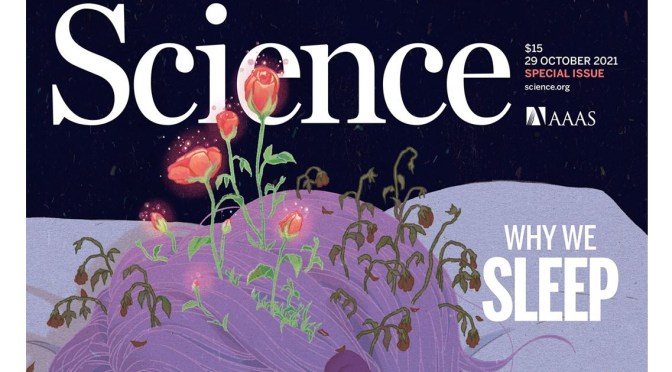
Science Magazine: “Why We Sleep” – October 29
Previews: Times Literary Supplement – October 29

Top New Artists: Boston-Based Roboticist, Painter And Designer Joe Taveras
Galerie Michael Presents JOE TAVERAS


Joe Taveras is a Boston-based roboticist, designer, and artist who has spent the majority of his career selling robots around the world. A creative from the outset, his art initially consisted of eclectic musical compositions. It wasn’t until the arrival of the pandemic (March 2020) that he migrated to a new medium: painting. Having had no formal training, he used his time in quarantine to engage in rapid experimentation with an array of styles and mediums in order to truthfully convey his vision. He consistently aims to push the boundaries of innovation with his art, exploring new techniques that reflect his inner and outer environment, questioning our collective future, social norms, and our interminable integration with technology.
His paintings are in private collections in New York, Los Angeles, Miami, the Middle East, Sweden, Spain, Norway, Ghana, Vietnam, China, Canada, and more.
 Boomers Daily