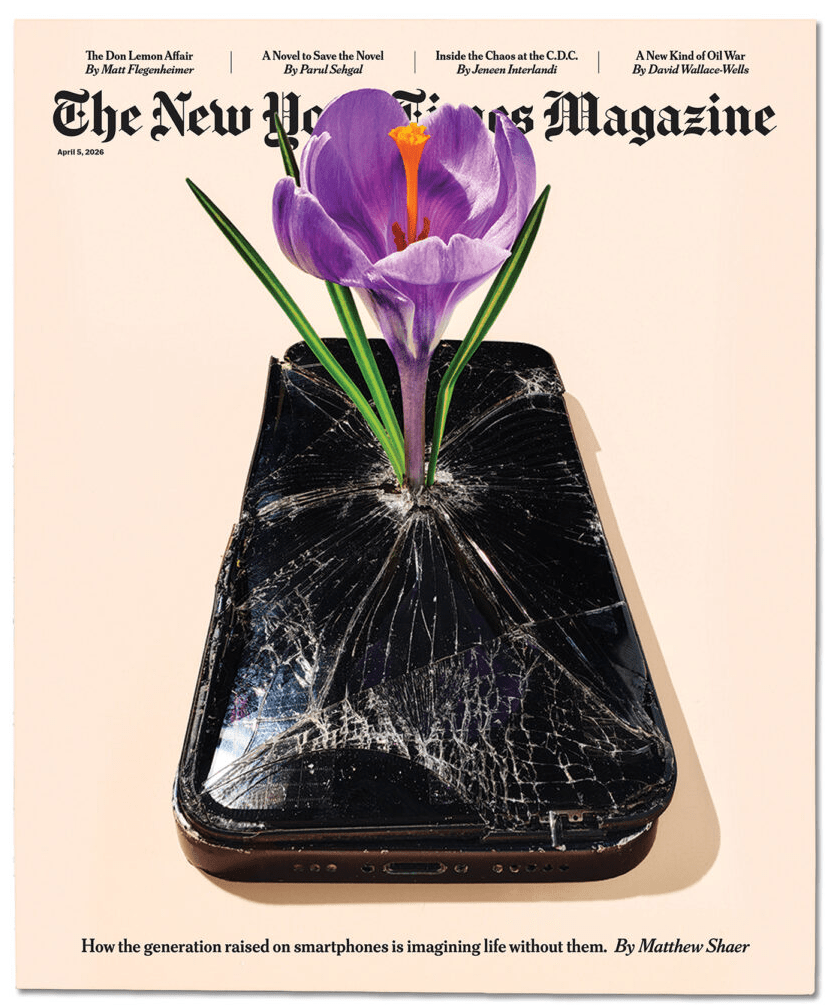
THE NEW YORK TIMES MAGAZINE:The 4.12.26 Issue features Katie Engelhart on people considered in vegetative states; C.J. Chivers on how Russian weaponized the cold in the war with Ukraine; Willy Staley on meme culture; and Coralie Kraft on MAHA teens; and more.
From our jokes and slang to the White House’s policy messaging, internet “brain rot” has escaped our phones to take over … well, everything. By Willy Staley
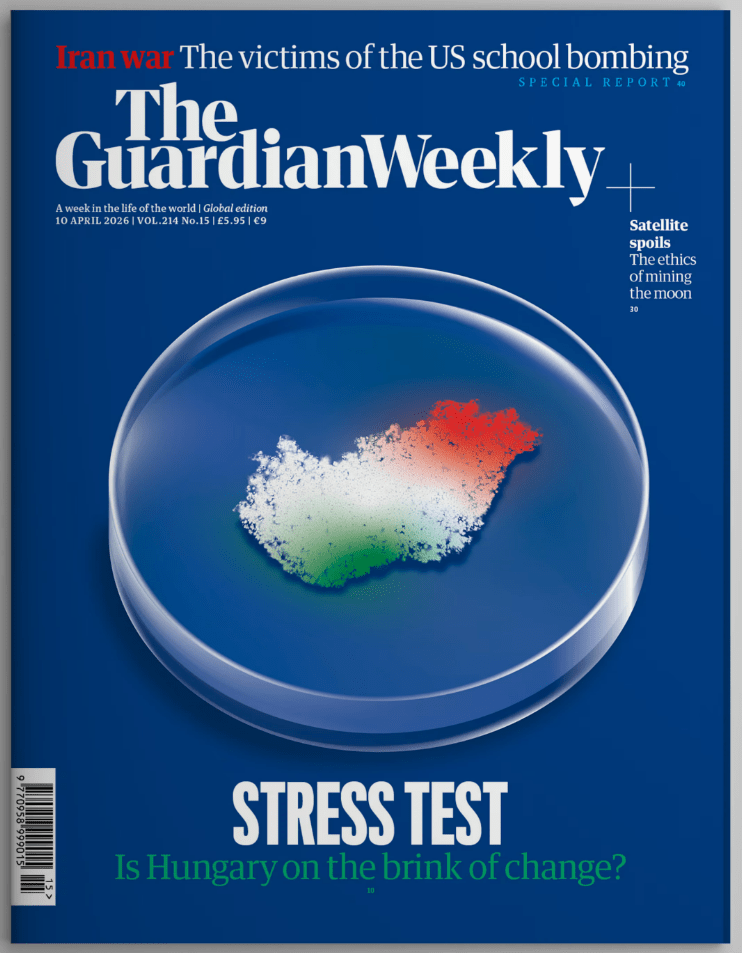
An irony of Viktor Orbán’s 16-year grip on power in Hungary is that his Fidesz movement was originally founded by pro-democracy, change-seeking young voters, even initially requiring members to be below the age of 35.
Now, in a crossroads election on 12 April, a new generation of Hungarians may be on the cusp of removing the rightwing populist prime minister, much to the dismay of his admirers in Moscow, Washington and Europe’s populist movements.
Orbán may have once described Hungary as “a petri dish for illiberalism” – as reflected by Harry Haysom’s cover art for us this week – but polls suggest his opponent Péter Magyar, a former top member of Fidesz who favours a closer relationship with the EU, could be the new change agent.
Spotlight | Was Trump conned by Netanyahu’s promise of an easy war? Senior US officials now consider the Israel PM’s pitch to have been overblown, creating potentially far-reaching consequences for both countries, writes Peter Beaumont
Science | The 21st-century moon prospectors Helium-3 is so rare that a palm-sized amount could be worth millions. As Artemis II flies by the moon and businesses look to the skies, is mining Earth’s satellite ethical? Oliver Holmes investigates
Feature | Can the UK’s cargo theft crisis be stopped? It costs the UK economy £700m ($920m) a year, and criminal gangs are operating with near impunity. Every time a lorry gets robbed, raided or hijacked, it’s Mike Dawber who investigates. ByStuart McGurk
Opinion | Ten years after Brexit, Trump is pushing Britain back towards the EU It’s the silver lining from this terrible age of Donald Trump, argues Gaby Hinsliff: his disdain and insults are fuelling the belief that the UK should renew ties with Europe
Culture | James McAvoy, froma Glasgow council estate to Hollywood stardom In his directorial debut, the X-Men actor is challenging stereotypes about his Scottish homeland via the remarkable tale of a real-life hip-hop hoax. Libby Brooks met him
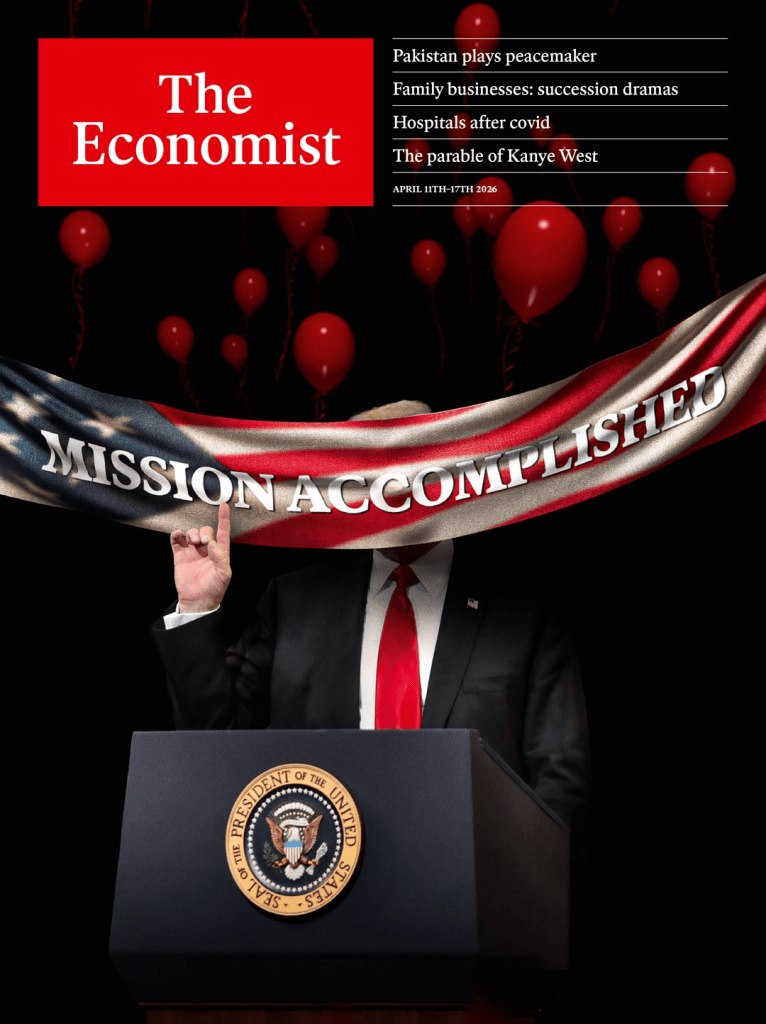
As US troops flock to danger, Donald Trump seeks ways to disentangle himself from the war on Iran. “We are on track to complete all of America’s military objectives shortly, very shortly,” he said in a 19-minute address at the start of the month. “It’s very important that we keep this conflict in perspective.”
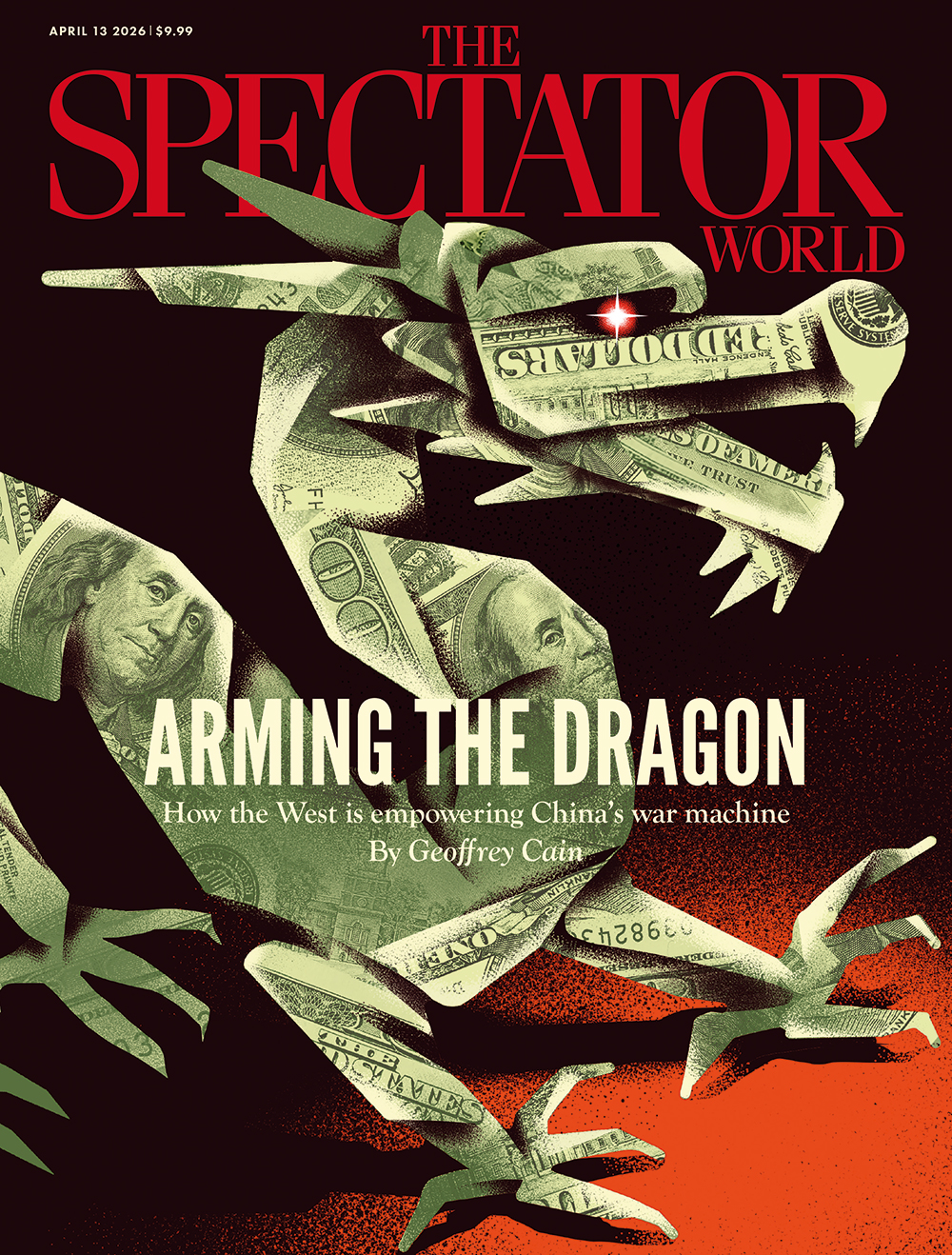
The West’s technology brains and universities are arming China. A few of them are potentially breaking the law to do it, but most of them don’t need to. The front door has been open for years, and nobody in London or Washington has thought to close it.
It was, on the surface, a fairly routine proposal. Officials from the BRICS nations, made up of Brazil, Russia, India, China and South Africa, have decided to discuss, at a summit in New Delhi later this year, how to deepen trade and collaboration. No one was paying very much attention when the decision was made. And yet, according to a report in the well-informed newspaper Berliner Zeitung, a resolution was quietly suggested that might turn the global monetary system upside down. It was the start of what might be termed the “plot against the dollar.” America’s currency is likely to face its most serious challenge of the post-World War Two era.
Donald Trump and Pete Hegseth’s Warped Vision of the Iran War
The two men might wish that they lived in a world where whoever dropped the most bombs got whatever he wanted. But the war has shown that this isn’t true. By Benjamin Wallace-Wells
Why Are People Injecting Themselves with Peptides?
Health and wellness influencers are hawking unapproved treatments on the gray market. The future of the F.D.A.—and the health of consumers—is at stake. By Dhruv Khullar
Sam Altman May Control Our Future—Can He Be Trusted?
New interviews and closely guarded documents shed light on the persistent doubts about the head of OpenAI.
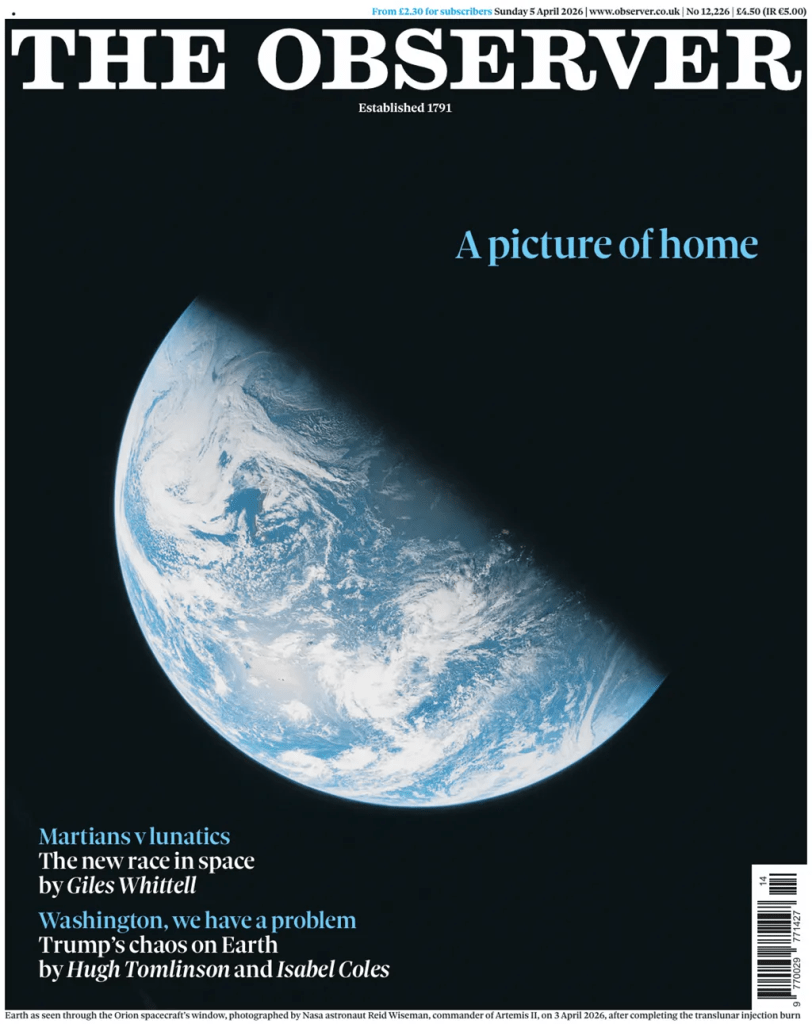
Nasa’s moon mission has captured a view immortalised by Apollo astronauts in 1968, but its quest to beat China to the lunar surface is now under threat from Trump By Giles Whittell
White House chaos intensifies after Iran downs two US warplanes
Desperate search for missing US pilot caps a week of confusion for the president as he loses his grip on the conflict
‘Forty-eight hours before all hell will rain down’: Trump warns Iran over Hormuz
As the US president ups the ante, allies discuss using minesweepers to clear the strait and Tehran imposes new transit fees on shipping
Has Trump’s unpredictability broken the oil market?
How could rising gas prices affect the EV market?
Just because gas is up doesn’t mean EVs will take over
Trump’s White House Makeover Halted: A federal judge ordered a work stoppage on a $400 million ballroom project intended to replace the demolished East Wing, ruling the project lacked Congressional approval. The Reinvention of War: The editor’s letter and lead features examine how cheap, deadly drones in Ukraine and Iran have transformed combat, turning sophisticated hardware into “knights in shining armor” vulnerable to modern technology. Supreme Court Blocks Conversion Therapy Ban: The Court overturned a Colorado law prohibiting conversion therapy for minors, focusing on freedom of speech for mental health professionals. Social Media Liability Inflection Point: Coverage of landmark jury awards in Los Angeles and New Mexico against Meta and Google for failing to protect children from psychological harm and online predators. The Cicada Covid Variant: A new variant of Covid-19, dubbed “Cicada,” is reported to be spreading across the United States. The German Deepfake Scandal: An investigative look into a scandal in Germany that has brought the issue of “virtual rape” and deepfake technology into the international spotlight. [1, 2, 3, 4, 5]
Without exploitation, “Love on the Spectrum” captures the triumphs and travails of dating. It has become one of Netflix’s most popular shows. By Anna Peele














 Boomers Daily