

 It’s too soon to know what downtown cities will look like after the coronavirus pandemic. What we do know is that no business will be spared. Both small mom and pops and big retailers will have to shut their doors and move away from dense city centers. That could mean landowners, consumers and retailers will have to work together to imagine the new iteration of the American city.
- Plus, the more we learn about kids and the coronavirus, the riskier it seems to resume in-person schools.
- And, the 2020 presidential election won’t like anything we’ve ever seen.
Guests: Axios’ Dion Rabouin, Caitlin Owens, and Sara Goo.

 The coronavirus pandemic has accelerated our cashless society and deepened the divide between those who depend on it and those who now live mostly without it.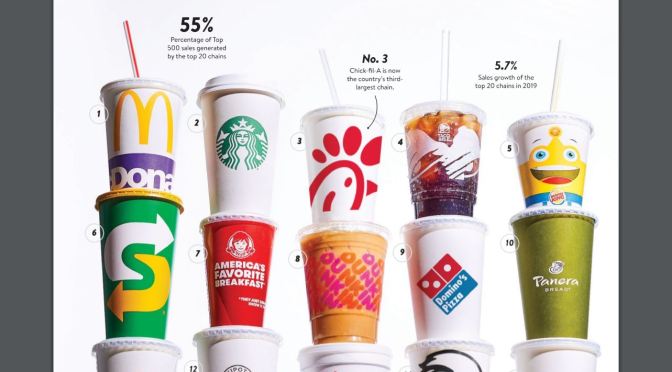

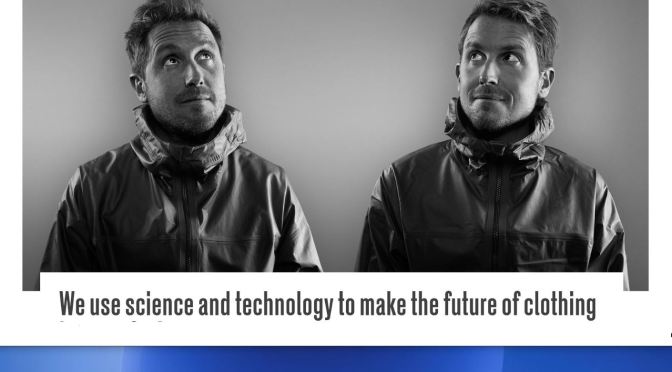
 Steve Tidball is the CEO and co-founder of Vollebak, a men’s outerwear label launched with one question: what does the future of clothing look like? Steve and his brother Nick dreamed up the brand while running ultra-marathons in extreme conditions. Today, leaning heavily on science and technology, their team creates pieces from materials most have never thought to use, from titanium to graphene.
 The Indestructible Puffer is made from Dyneema which is the single strongest fibre known to man today. If you’re into chemistry, it’s an ultra-high molecular weight polyethylene that combines extreme strength with very low weight. On a weight for weight basis Dyneema is up to 15x stronger than steel and 40% stronger than high-strength aramid fibres. While it’s often used as a composite – an ingredient added to other materials to make them exceptionally strong – the entire outside of this jacket is made from 100% Dyneema.

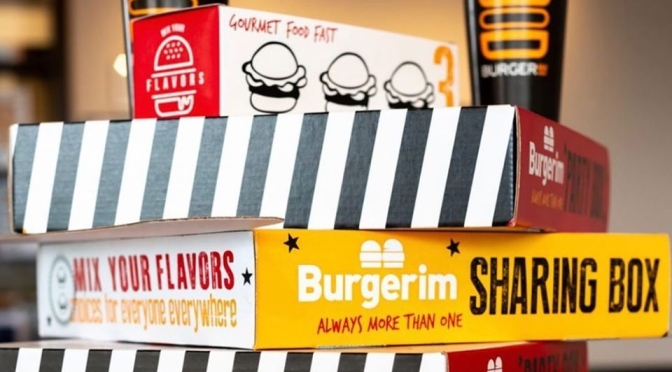
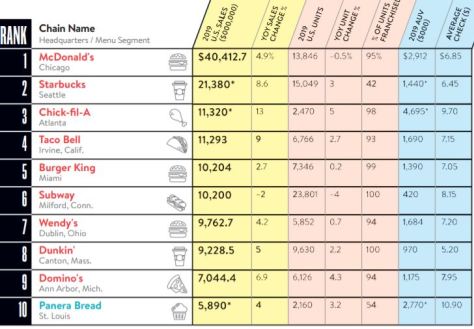
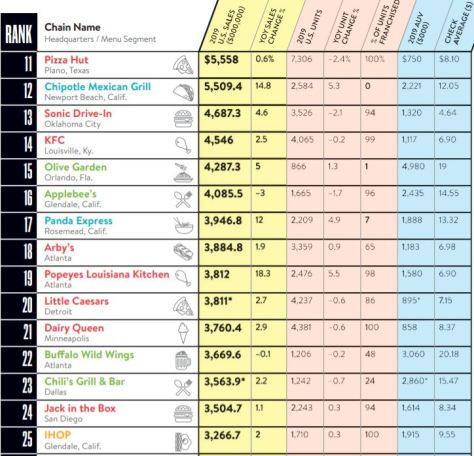
 With 11 protein options for its burgers (including salmon, lamb, falafel and dry-aged beef), two patty sizes and a host of toppings, Burgerim—which increased its unit count by nearly 250% in 2018 to become the country’s fastest-growing emerging chain—is upping the complexity of the traditional burger concept.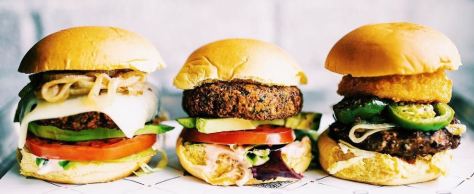

 Boomers Daily