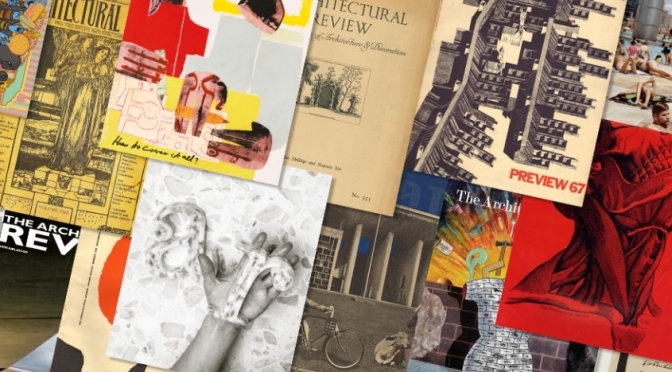
AR July/August 2022
For two and a half years, risks of contagion have justified restrictions on public life around the world, at times tipping towards punitive control and attacks on civil liberty. The essays in this issue examine some of the forces that encroach upon public spaces, whether they be the economic imperatives that govern late capitalist cities or anti‑democratic political regimes that grab common land. The affordances of public spaces are never singular and neither are their publics. The voices in this issue question assumptions about who – or what – the monolithic ‘public’ is, advocating spaces that make room for difference. Also featured are the commended projects of the inaugural AR Public awards, which take us from Paris, Dhaka, and Guiyuan Village in China, to Singapore, London and Bangkok. Public spaces are complex and often imperfect – a ‘versatile, if unevenly distributed, resourcescape’, to use Álvaro Sevilla-Buitrago’s phrase – but as the pandemic continues, it is crucial that designers and publics continue to negotiate them.
For two and a half years, risks of contagion have justified restrictions on public life around the world, at times tipping towards punitive control and attacks on civil liberty. The essays in this issue examine some of the forces that encroach upon public spaces, whether they be the economic imperatives that govern late capitalist cities or anti‑democratic political regimes that grab common land. The affordances of public spaces are never singular and neither are their publics. The voices in this issue question assumptions about who – or what – the monolithic ‘public’ is, advocating spaces that make room for difference. Also featured are the commended projects of the inaugural AR Public awards, which take us from Paris, Dhaka, and Guiyuan Village in China, to Singapore, London and Bangkok. Public spaces are complex and often imperfect – a ‘versatile, if unevenly distributed, resourcescape’, to use Álvaro Sevilla-Buitrago’s phrase – but as the pandemic continues, it is crucial that designers and publics continue to negotiate them.
Public
Keynote: Publicity, Álvaro Sevilla-Buitrago
Reputations: Michael Sorkin, Kate Wagner
Unceded land, unpublic use, Timmah Ball
Reclaiming Asunción, Laurence Blair
Pockets of promise in Gugulethu, Kathryn Ewing
Outrage: Legacies of Covid-19 in Shanghai, Flora Ng







 Boomers Daily