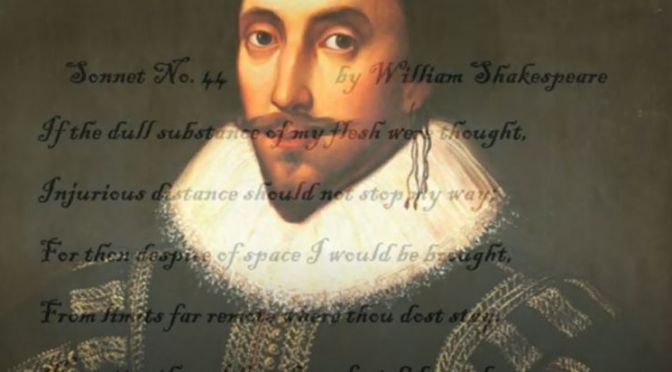
Sonnet 44 is one of 154 sonnets written by the English playwright and poet William Shakespeare. It is a member of the Fair Youth sequence, in which the poet expresses his love towards a young man. Sonnet 44 is continued in Sonnet 45.
Sonnet XLIV
If the dull substance of my flesh were thought, Injurious distance should not stop my way; For then despite of space I would be brought, From limits far remote, where thou dost stay. No matter then although my foot did stand Upon the farthest earth removed from thee; For nimble thought can jump both sea and land As soon as think the place where he would be. But ah! thought kills me that I am not thought, To leap large lengths of miles when thou art gone, But that, so much of earth and water wrought, I must attend time’s leisure with my moan, Receiving nought by elements so slow But heavy tears, badges of either’s woe.
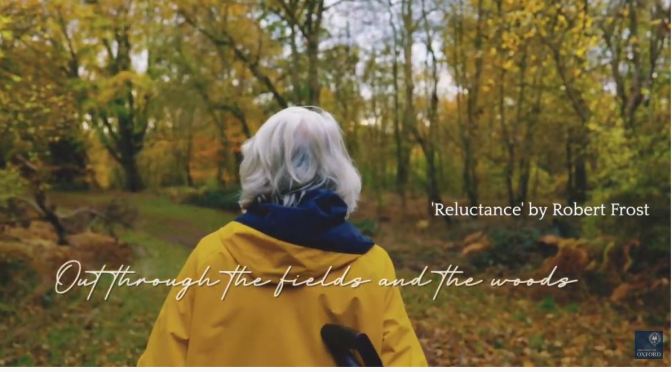
In the latest episode in their series of Close Readings, Seamus Perry and Mark Ford look at the life and work of Robert Frost, the great American poet of fences and dark woods.
(August 4, 2020)
They discuss Frost’s difficult early life as an occasional poultry farmer and teacher, his arrival in England in 1912 amid the flowering of Georgian poetry, and his emergence as the first 20th-century professional poet, whose version of the American wilderness myth, full of mischief and foreboding, took him to packed concert halls and a presidential inauguration.
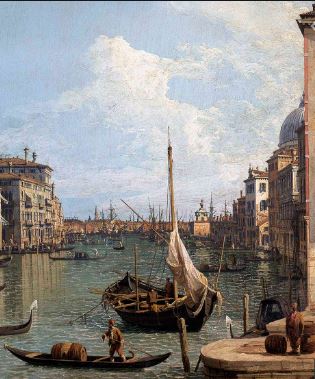
A conversation with the acclaimed poet and New Yorker writer Cynthia Zarin that transports us to two of her favorite cities, Venice and Rome, in a celebration of Italy as the country begins to loosen the longest coronavirus-related lockdown in Europe. The episode features evocative readings from her forthcoming book,Two Cities, which captures the meditative yet constantly surprising nature of travel from a deeply personal point of view.
From acclaimed poet and New Yorker writer Cynthia Zarin comes a deeply personal meditation on two cities, Venice and Rome—each a work of art, both a monument to the past—and on how love and loss shape places and spaces.
Here we encounter a writer deeply engaged with narrative in situ—a traveler moving through beloved streets, sometimes accompanied, sometimes solo. With her, we see, anew, the Venice Biennale, the Lagoon, and San Michele, the island of the dead; the Piazza di Spagna, the Tiber, the view from the Gianicolo; the pigeons at San Marco and the parrots in the Doria Pamphili. As a poet first and foremost, Zarin’s attention to the smallest details, the loveliest gesture, brings Venice and Rome vividly to life for the reader.
The sixteenth book in the expanding, renowned ekphrasis series, Two Cities creates space for these two historic cities to become characters themselves, their relationship to the writer as real as any love affair.
ekphrasis
Dedicated to publishing rare, out-of-print, and newly commissioned texts as accessible paperback volumes the ekphrasis series is part of David Zwirner Books’s ongoing effort to publish new and surprising pieces of writing on visual culture.
Cynthia Zarin
Cynthia Zarin is the author of five books of poetry, most recently, Orbit (2017), as well as five books for children and a collection of essays, An Enlarged Heart: A Personal History (2013). Her honors and awards include a Guggenheim Fellowship for Literature, the Ingram Merrill Award, and the Los Angeles Times Book Prize for Poetry. A longtime contributor to The New Yorker, Zarin teaches at Yale University.
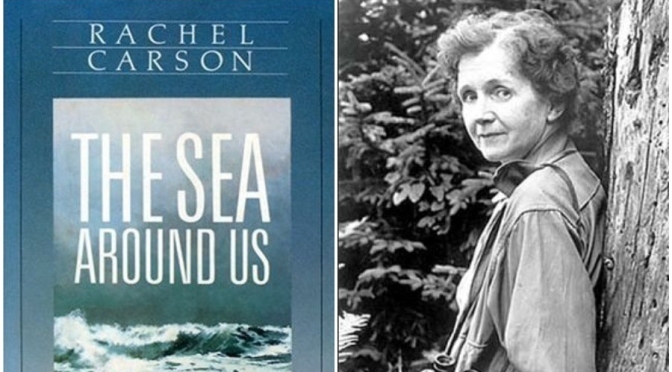
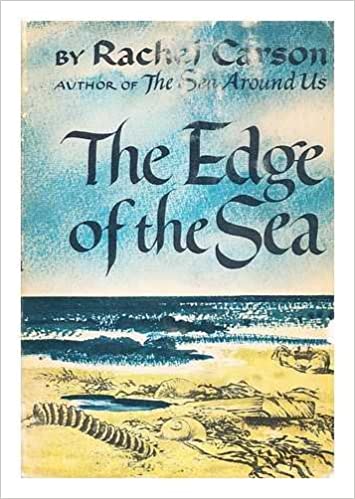
Before she published “Silent Spring,” one of the most influential books of the last century, Rachel Carson was a young aspiring poet and then a graduate student in marine biology. Although she couldn’t swim and disliked boats, Carson fell in love with the ocean. Her early books—including “The Sea Around Us,” “The Edge of the Sea” and “Under the Sea Wind”—were like no other nature writing of their time,
Jill Lepore says: Carson made you feel you were right there with her, gazing into the depths of a tide pool or lying in a cave lined with sea sponges. Lepore notes that Carson was wondering about a warming trend in the ocean as early as the 1940s, and was planning to explore it after the publication of “Silent Spring.” If she had not died early, of cancer, could Carson have brought climate change to national attention well before it was too late?
Excerpts from Carson’s work were read by Charlayne Woodard, and used with permission of Carson’s estate.
Rachel Louise Carson (May 27, 1907 – April 14, 1964) was an American marine biologist, author, and conservationist whose book Silent Spring and other writings are credited with advancing the global environmental movement.
Carson began her career as an aquatic biologist in the U.S. Bureau of Fisheries, and became a full-time nature writer in the 1950s. Her widely praised 1951 bestseller The Sea Around Us won her a U.S. National Book Award, recognition as a gifted writer, and financial security. Her next book, The Edge of the Sea, and the reissued version of her first book, Under the Sea Wind, were also bestsellers. This sea trilogy explores the whole of ocean life from the shores to the depths.
Late in the 1950s, Carson turned her attention to conservation, especially some problems that she believed were caused by synthetic pesticides. The result was the book Silent Spring (1962), which brought environmental concerns to an unprecedented share of the American people. Although Silent Spring was met with fierce opposition by chemical companies, it spurred a reversal in national pesticide policy, which led to a nationwide ban on DDT and other pesticides. It also inspired a grassroots environmental movement that led to the creation of the U.S. Environmental Protection Agency. Carson was posthumously awarded the Presidential Medal of Freedom by President Jimmy Carter.
‘We are fond of tracing the resemblance between Poetry and Painting,’ wrote William Wordsworth(1770–1850) in the famous ‘Preface’ to Lyrical Ballads (1800), ‘and, accordingly, we call them Sisters.’ To speak of the ‘sister arts’ was indeed a critical platitude of the age, though as it happens Wordsworth’s attitude towards painting wasn’t normally very sisterly.
When, in 1840 or so, a well-meaning houseguest called Margaret Gillies made a drawing of the 70-year old Mrs Wordsworth, everyone agreed that it was an excellent likeness; but her kind act was rewarded with a testy and somewhat ungracious sonnet from the sitter’s husband. He preferred to visualise Mary in her salad days: ‘’tis a fruitless task to paint for me, / Who, yielding not to changes Time has made, / By the habitual light of memory see / Eyes unbedimmed, see bloom that cannot fade, / And smiles that from their birth-place ne’er shall flee / Into the land where ghosts and phantoms be’.
.
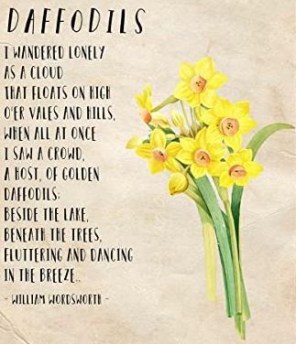
All she possesses, as a painter, is the outward eye: ‘that inward eye’ is the poet’s hallmark, as of course Miss Gillies would have known from Wordsworth’s most famous poem, the one about the daffodils – ‘They flash upon that inward eye / Which is the bliss of solitude’. By chance we know (because Wordsworth left it on record, saying they were the best thing in the poem) that those two lines were actually contributed by Mary, so the uxoriousness of the thing is double: not only does she evade the merely visual but she also possesses the innate genius to be able to name the imaginative power that so transcends it.
Letters of John Keats to His Family and Friends by John KEATS (1795 – 1821) and Sidney COLVIN (1845 – 1927)
Read by: Nemo and Eva Davis
Chapters: 00:00:00 – 00 – Preface 00:21:11 – 01 – Letter 1 – to Charles Cowden Clarke 00:22:21 – 02 – Letter 2 – to Benjamin Robert Haydon 00:24:06 – 03 – Letter 3 – to Benjamin Robert Haydon 00:25:00 – 04 – Letter 4 – to Charles Cowden Clarke 00:26:57 – 05 – Letter 5 – to John Hamilton Reynolds 00:28:25 – 06 – Letter 6 – to John Hamilton Reynolds 00:29:52 – 07 – Letter 7 – to George and Thomas Keats 00:34:17 – 08 – Letter 8 – to John Hamilton Reynolds 00:42:14 – 09 – Letter 9 – to Leigh Hunt 00:50:13 – 10 – Letter 10 – to Benjamin Robert Haydon 01:00:31 – 11 – Letter 11 – to Messrs. Taylor and Hessey 01:03:50 – 12 – Letter 12 – to Messrs. Taylor and Hessey 01:06:07 – 13 – Letter 13 – to Mariane and Jane Reynolds 01:10:34 – 14 – Letter 14 – to Fanny Keats 01:18:27 – 15 – Letter 15 – to Jane Reynolds 01:26:44 – 16 – Letter 16 – to John Hamilton Reynolds 01:34:49 – 17 – Letter 17 – to Benjamin Robert Haydon 01:37:39 – 18 – Letter 18 – to Benjamin Bailey 01:43:58 – 19 – Letter 19 – to Benjamin Bailey 01:51:33 – 20 – Letter 20 – to Benjamin Bailey 01:54:19 – 21 – Letter 21 – to Charles Wentworth Dilke 01:55:20 – 22 – Letter 22 – to Benjamin Bailey 02:05:23 – 23 – Letter 23 – to John Hamilton Reynolds 02:11:23 – 24 – Letter 24 – to George and Thomas Keats 02:16:25 – 25 – Letter 25 – to George and Thomas Keats 02:26:06 – 26 – Letter 26 – to Benjamin Robert Haydon 02:28:19 – 27 – Letter 27 – to John Taylor 02:29:30 – 28 – Letter 28 – to George and Thomas Keats 02:35:45 – 29 – Letter 29 – to John Taylor 02:37:09 – 30 – Letter 30 – to George and Thomas Keats 02:45:42 – 31 – Letter 31 – to Benjamin Bailey 02:53:40 – 32 – Letter 32 – to John Taylor 02:55:38 – 33 – Letter 33 – to John Hamilton Reynolds 03:00:19 – 34 – Letter 34 – to John Hamilton Reynolds 03:09:32 – 35 – Letter 35 – to John Taylor 03:10:23 – 36 – Letter 36 – to George and Thomas Keats 03:14:06 – 37 – Letter 37 – to John Hamilton Reynolds 03:20:52 – 38 – Letter 38 – to George and Thomas Keats 03:25:16 – 39 – Letter 39 – to John Taylor 03:28:39 – 40 – Letter 40 – to Messrs. Taylor and Hessey 03:29:39 – 41 – Letter 41 – to Benjamin Bailey 03:39:27 – 42 – Letter 42 – to John Hamilton Reynolds 03:46:04 – 43 – Letter 43 – to Benjamin Robert Haydon 03:51:10 – 44 – Letter 44 – to Messrs. Taylor and Hessey 03:52:54 – 45 – Letter 45 – to James Rice 03:58:59 – 46 – Letter 46 – to John Hamilton Reynolds 04:06:50 – 47 – Letter 47 – to Benjamin Robert Haydon 04:12:07 – 48 – Letter 48 – to John Hamilton Reynolds 04:17:53 – 49 – Letter 49 – to John Hamilton Reynolds 04:20:39 – 50 – Letter 50 – to John Taylor 04:24:29 – 51 – Letter 51 – to John Hamilton Reynolds 04:29:41 – 52 – Letter 52 – to John Hamilton Reynolds 04:46:49 – 53 – Letter 53 – to Benjamin Bailey 04:52:06 – 54 – Letter 54 – to Benjamin Bailey 04:57:26 – 55 – Letter 55 – to John Taylor 04:59:14 – 56 – Letter 56 – to Thomas Keats 05:08:57 – 57 – Letter 57 – to Fanny Keats 05:18:23 – 58 – Letter 58 – to Thomas Keats 05:28:49 – 59 – Letter 59 – to Thomas Keats 05:39:49 – 60 – Letter 60 – to John Hamilton Reynolds 05:48:19 – 61 – Letter 61 – to Thomas Keats 06:01:55 – 62 – Letter 62 – to Benjamin Bailey 06:16:12 – 63 – Letter 63 – to Thomas Keats 06:30:05 – 64 – Letter 64 – to Thomas Keats 06:43:57 – 65 – Letter 65 – to Mrs. Wylie 06:50:42 – 66 – Letter 66 – to Fanny Keats 06:53:45 – 67 – Letter 67 – to Fanny Keats 06:55:12 – 68 – Letter 68 – to Jane Reynolds 06:56:23 – 69 – Letter 69 – to Charles Wentworth Dilke
These are the letters of John Keats, as written to family, close friends and others during his brief, eventful years as an artist. (However, the editor chose to exclude love letters to Fanny Brawne, respecting their private nature.) The celebrated Keats letters were written between 1816-1820, and include those colorful entries penned during his 44-day tour with Charles Brown as they rambled through England, Ireland and Scotland. Also included are the famous, lengthy ‘journal letters,’ written to his brother George and sister-in-law in America. Not only a poetic genius, Keats shines in epistolary form. His letters brim with the emotion, wit and intelligence he routinely shared with intimates. – Summary by NemoR
I have seen Naples from his vantage of a ship anchored offshore — one of the most sublime locations in the world, that sweep of coast stacked with apricot, carmine, azure and rose villas; the blue, blue U of the harbor; the emphatic Vesuvius anchoring the view.
Frances Mayes
In October of 1820, typhus raged in Naples. With his artist friend, Joseph Severn, the British poet John Keats rocked in the city’s harbor for 10 days, not nearly the quaranta giorni — 40 days — that give us our word quarantine.
Before this journey, Keats always felt intense melancholy. In “On Seeing the Elgin Marbles for the First Time,” he wrote “… mortality / Weighs heavily on me like unwilling sleep.” (And in the smooth pentameter of “Ode to a Nightingale”: “I have been half in love with easeful death.”) Not a holiday, this voyage out of England was a desperate trip to the sunny climate of Italy. His cough had grown steadily worse. Since the morning he’d seen a splotch of blood on his pillow, he knew he had little chance of surviving the consumption that had invaded his lungs. His last-ditch: Go to Rome. Meanwhile, exile at sea.
Sarah Watkinson is Wytham Woods’ first poet in residence. She leads us through a delicate maze of woodland and words, weaving together nature, research and poetry. In their work, scientists are objective: they don’t express opinions, they don’t talk about themselves. Poetry would seem science’s diametrical opposite: it’s traditionally inward-looking and self-reflective. Sarah’s writing combines her scientific background and her love for form and words in the most delicate and unexpected way: observing the world, for her, is a form of poetry.
News, Views and Reviews For The Intellectually Curious


 In the latest episode in their series of Close Readings, Seamus Perry and Mark Ford look at the life and work of Robert Frost, the great American poet of fences and dark woods.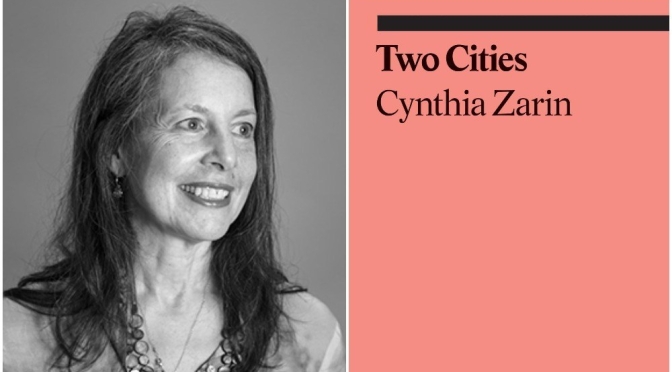
 A conversation with the acclaimed poet and New Yorker writer Cynthia Zarin that transports us to two of her favorite cities, Venice and Rome, in a celebration of Italy as the country begins to loosen the longest coronavirus-related lockdown in Europe. The episode features evocative readings from her forthcoming book,Two Cities, which captures the meditative yet constantly surprising nature of travel from a deeply personal point of view.

 Before she published “Silent Spring,” one of the most influential books of the last century, Rachel Carson was a young aspiring poet and then a graduate student in marine biology. Although she couldn’t swim and disliked boats, Carson fell in love with the ocean. Her early books—including “
 Jill Lepore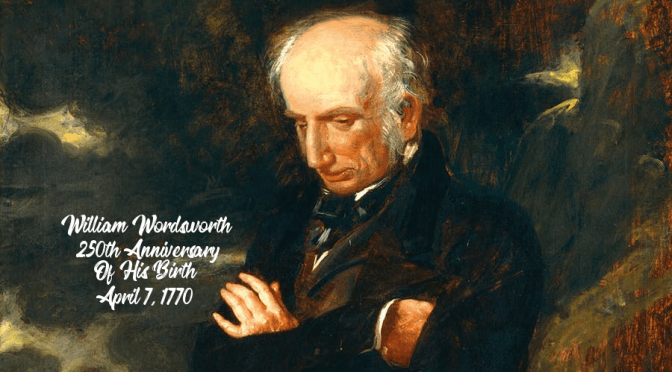
 ‘We are fond of tracing the resemblance between Poetry and Painting,’ wrote William Wordsworth
 When, in 1840 or so, a well-meaning houseguest called Margaret Gillies made a drawing of the 70-year old Mrs Wordsworth, everyone agreed that it was an excellent likeness; but her kind act was rewarded with a testy and somewhat ungracious sonnet from the sitter’s husband. He preferred to visualise Mary in her salad days: ‘’tis a fruitless task to paint for me, / Who, yielding not to changes Time has made, / By the habitual light of memory see / Eyes unbedimmed, see bloom that cannot fade, / And smiles that from their birth-place ne’er shall flee / Into the land where ghosts and phantoms be’.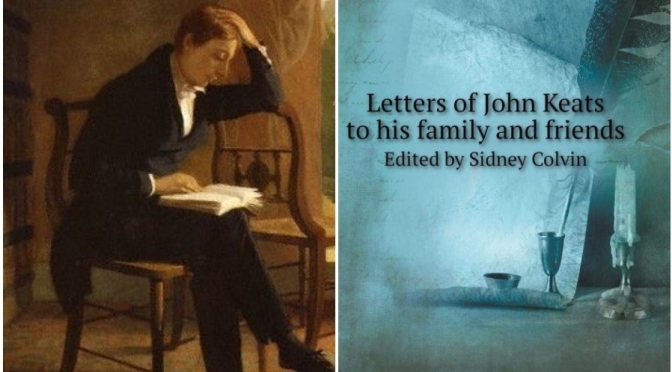


 Boomers Daily